Do I Shampoo After Bleach – Hair Care After Bleaching
You should wait at least 48 to 72 hours before shampooing after bleaching to allow your hair cuticles to reseal. This helps minimize damage and locks in your color.
When you do shampoo, choose a gentle, sulfate-free, pH-balanced formula. Rinse with cool or lukewarm water to prevent moisture loss.
Try not to overwash; shampoo every 3-4 days instead. Use conditioning treatments regularly to restore hydration and elasticity.
Following these steps will really help you maintain your hair’s health and keep that vibrant look over time.
Why Wait Before Shampooing Bleached Hair
Although it might be tempting to wash your hair immediately after bleaching, you should wait at least 48 to 72 hours before shampooing. This waiting period is vital because bleaching lifts the hair cuticles, leaving strands vulnerable to damage.
Wait 48 to 72 hours before shampooing after bleaching to protect fragile, lifted hair cuticles from damage.
Shampooing too soon can further open these cuticles, increasing porosity and causing premature color washout.
During this time, your hair’s natural oils work to protect and reinforce the fragile, chemically treated fibers. Rinsing with water alone helps remove residual chemicals without disrupting the cuticle layer’s recovery.
By allowing the internal bonds and cuticles to reseal undisturbed, you minimize dryness and structural damage.
How to Shampoo Bleached Hair Safely
When you finally shampoo your bleached hair, choosing a sulfate-free, pH-balanced cleanser is essential to preserve the hair’s integrity and color vibrancy. To shampoo bleached hair safely, follow these steps:
- Use cool or lukewarm water to rinse. Hot water raises cuticle layers, which can increase moisture loss and cause fading.
- Apply shampoo gently, massaging the scalp with your fingertips instead of scrubbing. This helps avoid damaging those fragile, porous strands.
- After rinsing, immediately condition or apply a deep treatment. This restores hydration and reinforces weakened hair structure.
This careful approach keeps your bleached hair healthy and prolongs color longevity. It also supports the best hair care after bleaching.
Using a specialized shampoo consistently ensures you protect your hair’s delicate balance while cleansing effectively. Just stick to these simple steps, and your bleached hair will thank you!
How Often to Shampoo Bleached Hair
Since bleached hair undergoes significant structural changes, you should wait at least 48 to 72 hours before shampooing to allow the cuticle layers to properly reseal.
After this period, shampooing frequency plays a critical role in managing dryness and maintaining hair integrity. Washing bleached hair every 3-4 days minimizes the risk of stripping natural oils, which can make dryness and brittleness worse. It’s a good idea to incorporate co-washing once a week to gently cleanse without disrupting your hair’s moisture balance.
| Frequency | Method | Benefit |
|---|---|---|
| Every 3-4 days | Shampoo | Controls oil, reduces dryness |
| Once a week | Co-washing | Preserves moisture, less damage |
| Daily | Avoid | Causes excessive dryness |
| Immediately post-bleach | Avoid | Prevents cuticle damage |
Limit shampooing to protect your fragile bleached hair and help maintain ideal hydration.
Choosing the Right Shampoo for Bleached Hair
When it comes to bleached hair, you’ll want to pick a sulfate-free shampoo with a pH-balanced formula. This helps protect your hair’s moisture barrier and stops any more damage from happening.
It’s a good idea to look for hydrating ingredients too, like hyaluronic acid or keratin, since they can bring back strength and elasticity to your weakened strands.
Also, try to avoid harsh surfactants. Instead, go for color-safe shampoos that are made specifically for chemically treated hair. That way, you keep your color vibrant and your hair healthy.
Sulfate-Free Shampoo Benefits
Although bleached hair demands meticulous care, choosing a sulfate-free shampoo considerably enhances its longevity and health. Sulfate-free shampoo avoids harsh surfactants that strip natural oils, preserving your hair’s pH balance and reducing moisture loss. This is critical for fragile, damaged hair.
Here’s why it’s essential:
- It supports hair repair by delivering nourishing ingredients like plant extracts and proteins, which strengthen bleached strands.
- It minimizes color fading and brassiness, maintaining cooler tones longer and keeping your hair vibrant.
- It prevents further damage and brittleness, extending the overall health and resilience of processed hair.
Hydrating Ingredients Importance
Building on the benefits of sulfate-free shampoos, selecting products with targeted hydrating ingredients plays a vital role in restoring bleached hair’s moisture balance. Look for formulations containing hyaluronic acid, glycerin, or aloe vera, as these effectively attract and retain moisture within the hair shaft.
Incorporating nourishing oils such as argan or coconut oil further enhances hydration, reinforcing hair cuticles and reducing brittleness. Make sure the shampoo is pH-balanced (around 4.5 to 5.5) to maintain the hair’s natural acidity. This helps minimize porosity and prevent moisture loss.
Regular use of these hydrating shampoos rebuilds the hair’s moisture barrier, promoting softness and elasticity. By prioritizing hydrating ingredients, you’ll protect your bleached hair from dryness and structural damage. This supports long-term health and resilience.
Deep Conditioning and Repair Treatments After Shampooing
Since bleaching substantially compromises the hair’s moisture balance and structural integrity, applying a deep conditioning treatment immediately after shampooing is essential to start the repair process.
Deep conditioning and repair treatments help restore moisture retention and rebuild weakened hair fibers. Follow these expert steps for the best results:
- Choose masks rich in keratin, proteins, and natural oils to fortify porous, brittle strands.
- Leave the deep conditioner on for 10-20 minutes so the active ingredients can penetrate the cortex and cuticle.
- Rinse thoroughly with cool water to seal the cuticle, locking in hydration and boosting shine.
Try to incorporate these repair treatments once or twice a week. This helps maintain your hair’s structural integrity and minimizes breakage.
Over time, your bleached hair will stay resilient and healthy.
Avoid These Shampooing Mistakes With Bleached Hair
You want to avoid overwashing bleached hair because shampooing too often can strip away essential moisture and weaken the hair’s structure. It’s best to pick gentle, sulfate-free shampoos that are designed to keep your hair’s pH balanced and protect that delicate cuticle.
Also, try to time your first wash right—waiting at least 48 hours after bleaching helps keep your color looking fresh and prevents extra damage.
Taking these steps can really make a difference in keeping your bleached hair healthy and strong.
Overwashing Risks Explained
Although it might seem necessary to wash bleached hair frequently to keep it clean, overwashing can strip essential natural oils and moisture. This only makes dryness and brittleness worse. When you overwash bleached hair, you risk compromising its fragile cuticle layer, which is already weakened by the bleaching process.
That leads to more damage and increased frizz. To keep your hair hydrated and minimize harm, remember a few simple tips:
- Limit shampooing to 2-3 times per week to preserve natural oils and maintain moisture balance.
- Wait at least 48 hours after bleaching before shampooing; this helps cuticles reseal and reduces color fading.
- Avoid aggressive washing techniques that disrupt the hair’s protective barrier, increasing porosity and fragility.
Sticking to these practices helps protect your hair’s structure and keeps your bleached color looking vibrant longer.
Choosing Gentle Shampoos
When selecting shampoos for bleached hair, prioritizing gentle, sulfate-free formulas with a balanced pH between 4.5 and 5.5 is essential to prevent further cuticle damage and color fading.
Gentle shampoos minimize cuticle stripping, preserving the integrity of your hair’s structure.
Avoid harsh clarifying shampoos, as they exacerbate moisture loss and weaken already compromised bleached cuticles.
Opt for sulfate-free products enriched with nourishing agents like aloe vera, coconut oil, or biotin to enhance hydration and promote hair repair.
These ingredients support cuticle sealing and reduce porosity.
Furthermore, always rinse with cool or lukewarm water to help maintain the cuticle’s smoothness and lock in moisture.
Choosing the right shampoo is a critical step to sustain the health and vibrancy of your bleached hair.
Timing Your First Wash
Since freshly bleached hair undergoes significant structural changes, waiting at least 48 to 72 hours before shampooing is crucial. This gives the cuticles time to fully reseal. Proper timing of your first wash helps lock in color and restore hair integrity.
When you’re ready to shampoo bleached hair, follow these critical steps:
- Use lukewarm or cool water to avoid stripping natural moisture and prevent cuticle lifting.
- Choose a sulfate-free, pH-balanced shampoo designed for delicate, chemically treated hair. This helps maintain hair strength and color longevity.
- Avoid immediate shampooing after bleaching to reduce porosity and minimize damage from premature cuticle exposure.
Mastering the timing of your first wash ensures your bleached hair stays vibrant and resilient. It also helps prevent common mistakes that compromise hair health after bleaching.
How Shampooing Impacts Bleached Hair Color and Shine
If you shampoo your hair too soon after bleaching, you risk opening the cuticles prematurely. This can speed up color fading and reduce shine. The cuticle, once lifted, lets pigment molecules escape, which messes with color preservation.
Using harsh, sulfate-based shampoos strips essential moisture from bleached hair. That leaves it dull and brittle. So, to keep your hair vibrant and glossy, choose color-safe, sulfate-free shampoos. These gently cleanse without damaging your hair’s integrity.
Harsh sulfates drain moisture from bleached hair, causing dullness—opt for gentle, sulfate-free shampoos instead.
Washing with cool or lukewarm water also helps. It seals the cuticle, locking in pigment and boosting shine. Plus, waiting 48-72 hours before your first shampoo after bleaching gives the cuticle time to close naturally. This sets the color better.
Basically, picking the right shampoo and timing your washes right are super important. They help keep your bleached hair looking brilliant and healthy for longer.
Maintaining Bleached Hair Health Between Washes
Although bleaching can leave your hair fragile and porous, you can preserve its health between washes by adopting targeted care strategies. To maintain bleached hair, integrate these essential steps into your hair care routine:
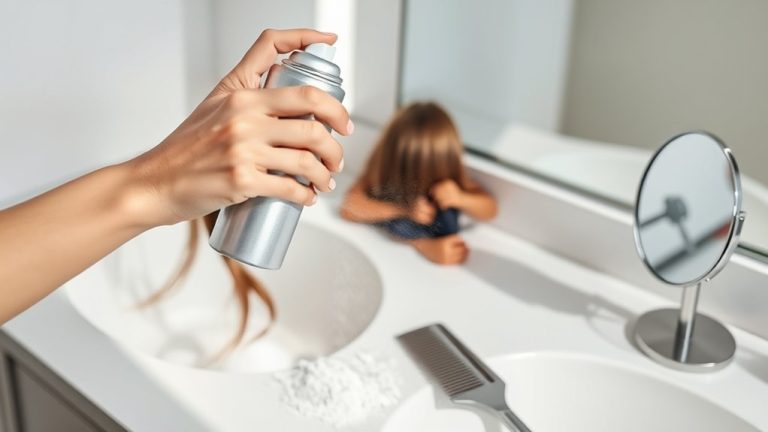
- Use dry shampoo to absorb excess oils without stripping vital moisture, keeping your scalp fresh and your strands light.
- Apply leave-in conditioners or hydrating treatments to replenish moisture, enhancing softness and elasticity in porous, bleached hair.
- Rinse with cold or lukewarm water during washing to seal the cuticle and minimize moisture loss. This is key for maintaining hydration and reducing damage.
Following these techniques ensures your bleached hair stays resilient and moisturized. It helps optimize health until your next wash.
Frequently Asked Questions
Can I Use Dry Shampoo on Bleached Hair?
Yes, you can use dry shampoo on bleached hair, but it’s best to choose an alcohol-free, lightweight formula. This helps support your hair color and keeps your scalp from getting irritated.
Try to wait about 2-3 days after bleaching before applying it. Focus on the roots to soak up oil without drying out your hair strands.
Just don’t overdo it—too much dry shampoo can build up and mess with your scalp’s balance.
It’s also a good idea to combine dry shampoo use with regular moisture treatments to keep your chemically treated hair healthy and strong.
Does Shampooing Affect Scalp Sensitivity After Bleaching?
Yes, shampooing does affect scalp sensitivity after bleaching. You should reduce shampoo frequency to prevent scalp irritation caused by residual chemicals.
Using harsh shampoos too soon can worsen chemical sensitivity, prolonging inflammation.
Instead, opt for gentle, sulfate-free formulas with soothing agents like aloe vera.
Waiting 48-72 hours before shampooing allows your scalp to recover. This helps minimize irritation and promotes healthier healing after your bleach treatment.
Are Clarifying Shampoos Safe for Bleached Hair?
Coincidentally, clarifying shampoos can both help and harm bleached hair. You can use them sparingly, choosing sulfate-free formulas designed for color protection to avoid stripping essential oils.
However, frequent use jeopardizes moisture retention and increases porosity, leading to damage.
Always balance clarifying with deep conditioning treatments to support damage repair and maintain elasticity. This strategic approach guarantees your bleached hair stays vibrant and resilient without unnecessary dryness.
Just remember, a little goes a long way!
Can I Mix Shampoos for Bleached Hair Care?
Yes, you can mix shampoos for bleached hair care, but you should do it cautiously. Combining a sulfate-free shampoo with a purple toning shampoo enhances color protection and moisture retention while aiding damage repair.
Use shampoos formulated for color-treated hair to prevent further weakening. Test small amounts first to ensure compatibility and avoid adverse reactions.
This method lets you tailor your routine for maximum hydration, toning, and structural reinforcement.
How Does Water Quality Influence Shampooing Bleached Hair?
Water mineralization directly affects how your shampoo interacts with bleached hair. High mineral content can cause buildup, which dulls your color. So, it’s something to watch out for.
Maintaining proper pH balance during washing is key to preserving your hair’s cuticle integrity. Using cooler water helps prevent further cuticle damage and color fading by minimizing swelling. It’s a simple trick that really makes a difference.
Filtering hard water or using soft water optimizes shampoo effectiveness. This way, your bleached hair stays vibrant and healthy over time. Trust me, your hair will thank you!
Conclusion
To safeguard your strands, skip shampooing immediately after bleaching to stabilize your scalp’s pH and strand structure. When you do shampoo, select sulfate-free, color-safe formulas to sustain shine and strength. Strategically space out washes to prevent pigment plunder and moisture loss.
Supplement with serums and deep conditioning to restore resilience. Avoid abrasive additives and overwashing, which accelerate damage. By balancing careful cleansing with consistent conditioning, you’ll maintain vibrant, voluminous, and healthy hair hues.