
Is It Okay To Use Conditioner Without Shampoo – When It Works Best
Yes, you can use conditioner without shampoo through co-washing. This method works best if you have dry, curly, or color-treated hair that needs gentle moisture without stripping natural oils. Using a silicone-free conditioner with mild cleansers helps maintain scalp health and reduces frizz.
But if you have fine, oily, or straight hair, regular shampooing is usually better. To avoid buildup and dryness, it’s a good idea to use a clarifying shampoo occasionally.
Want to get the most from your routine? Explore how to choose the right conditioner and keep your hair healthy and happy.
What Is Conditioner-Only Washing (Co-Washing)?

Although traditional shampooing is common, conditioner-only washing, or co-washing, offers a gentle alternative that cleanses your hair without stripping moisture.
Co-washing uses a silicone-free conditioner with mild cleansing agents to gently cleanse your scalp and hair. It’s especially ideal for dry hair or curly hair that needs extra moisture.
This method helps maintain a healthy moisture balance, reducing frizz and improving overall hair health. While co-washing effectively removes dirt and oil, you should be mindful of product buildup. That can happen if you don’t clarify your hair occasionally.
Using a clarifying shampoo every few weeks keeps your hair fresh and prevents buildup.
How to Co-Wash for Best Results
To co-wash effectively, start by thoroughly wetting your hair with warm water.
Then, apply a generous amount of silicone-free conditioner. Make sure to focus on massaging your scalp well—that helps lift dirt and oil.
After that, rinse your hair thoroughly for at least a minute to avoid any residue buildup.
And here’s a tip: for long-term hair health, try using a clarifying shampoo every four to six weeks. It helps remove any lingering product buildup and keeps your hair feeling fresh.
Proper Application Technique
Five key steps guarantee you get the best results when co-washing your hair.
First, thoroughly wet your hair with warm water to open the cuticles, allowing the conditioner to absorb deeply.
Next, use a palmful of silicone-free conditioner to cleanse, applying it evenly from scalp to ends.
Then, gently scrub your scalp with your fingertips for 1-2 minutes to lift dirt and oil while stimulating circulation.
To enhance the deep clean effect, keep your hair out of the water stream by using a shower cap, allowing the conditioner to penetrate effectively.
Finally, rinse the conditioner thoroughly to prevent buildup and maintain scalp health.
Following this proper application technique assures your hair stays clean, nourished, and balanced without shampoo.
It’s really that simple!
Rinsing And Maintenance
When you rinse and maintain your hair properly during co-washing, you guarantee it stays healthy and well-balanced. Start by thoroughly wetting your hair with warm water, then apply a generous amount of silicone-free conditioner. Make sure to evenly distribute it from scalp to tips.
Gently massage the conditioner into your scalp for one to two minutes to cleanse without causing buildup. Proper rinsing is essential. Rinse your hair thoroughly for at least one minute to remove all conditioner residues that might weigh your hair down.
To keep hair fresh, consider using a clarifying shampoo every one to four weeks.
For best results, follow these tips:
- Adjust co-washing frequency based on your hair type, typically 2-3 times weekly.
- Use silicone-free conditioners to prevent buildup.
- Massage your scalp gently to stimulate cleansing and nourishment.
Benefits of Co-Washing for Dry and Curly Hair
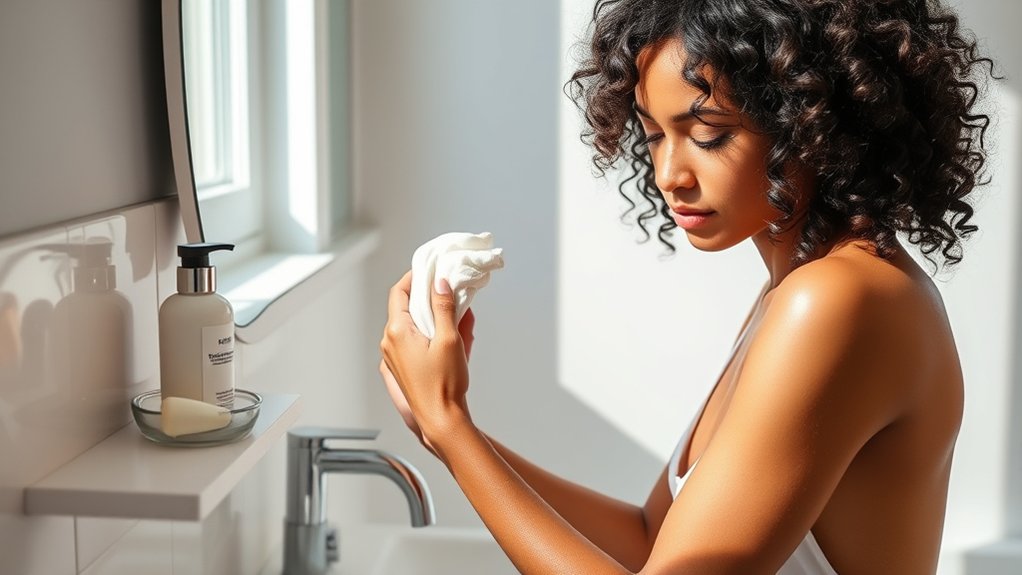
Although many hair care routines focus on shampooing, co-washing offers distinct advantages for dry and curly hair by preserving natural oils that are essential for moisture and hydration.
When you use co-washing, you help maintain scalp health by reducing dryness and irritation, which is common with curly hair.
This method smooths the hair cuticle, minimizing frizz and enhancing manageability. For color-treated hair, co-washing prevents color stripping, helping your color stay vibrant longer.
Moreover, it nourishes hair strands, which can reduce breakage and split ends by providing the moisture dry hair desperately needs.
Who Should Try Co-Washing: And Who Should Avoid It?
If you have dry, curly, or color-treated hair, co-washing can be a great way to boost moisture and tame frizz. It really works well for adding hydration without stripping your hair.
On the other hand, if your hair is fine, straight, or if your scalp tends to get oily, co-washing mightn’t be the best choice. It can lead to buildup and make your hair feel limp, which is definitely something you want to avoid.
Ideal Hair Types
Because co-washing focuses on moisturizing rather than stripping oils, it works best for dry, curly, or wavy hair types that need extra hydration.
Using conditioner without shampoo helps retain natural oils, making it ideal for these textures.
Plus, color-processed hair benefits from co-washing since it preserves color vibrancy and reduces damage.
However, co-washing isn’t really suitable for fine or straight hair, which can become limp or greasy from heavier conditioners.
If you have oily scalps or dandruff, traditional shampooing is necessary for proper cleansing.
To figure out if co-washing works for you, a personal assessment of your hair and scalp type is key.
So, here are some points to consider:
- Ideal for dry, curly, or wavy hair needing moisture
- Benefits color-processed hair by minimizing damage
- Not suitable for fine, straight hair or oily scalps
Unsuitable Hair Conditions
When your hair is fine, straight, or your scalp tends to be oily or prone to dandruff, co-washing may not provide the cleansing power you need. These are considered unsuitable hair conditions for co-washing because the method can leave residue, leading to limpness or greasiness.
If you have oily scalps, traditional shampooing is essential to remove excess oils and maintain scalp health.
Conversely, co-washing works best for dry hair, curly hair, and color-treated hair, as it preserves moisture and reduces damage.
While some people experience an adjustment period with increased oiliness, those requiring stronger cleansing should avoid co-washing.
Understanding your hair type and scalp condition helps you decide if co-washing suits your routine or if traditional shampooing remains necessary.
How Often Should You Co-Wash?
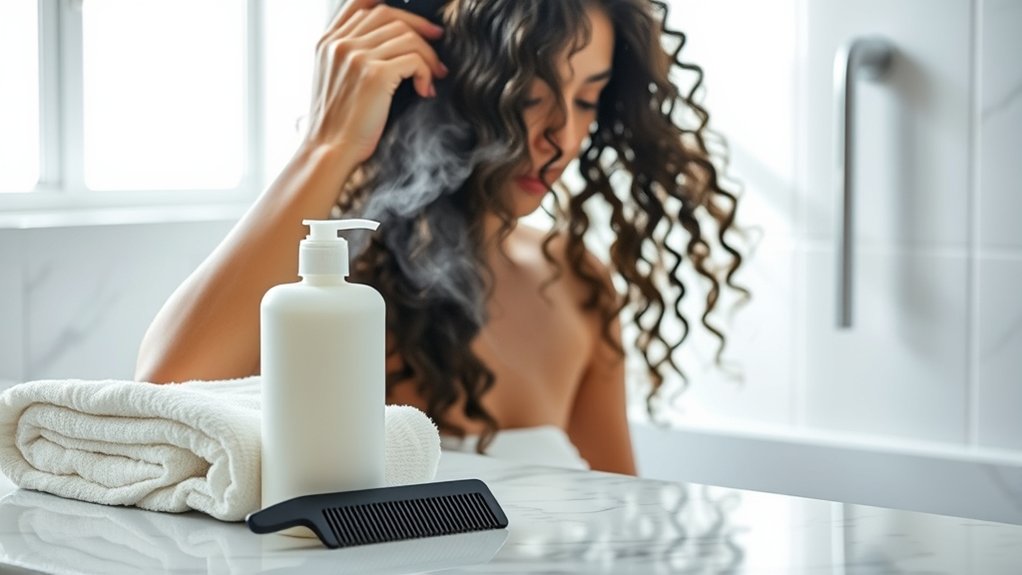
– Dry, curly, or color-treated hair benefits from more frequent co-washing to maintain moisture. It helps keep your hair hydrated and soft.
You might find your curls bounce back better this way.
– Fine or oily hair may require less co-washing and more shampoo to prevent greasiness. If you co-wash too often, your scalp might feel weighed down.
So, it’s all about finding what works best for you.
– Use a clarifying shampoo every 1-4 weeks to remove product buildup and support scalp health.
This keeps your hair feeling fresh and clean. Think of it as a reset for your scalp.
Common Scalp and Hair Issues From Co-Washing
Anyone trying co-washing should be aware of potential scalp and hair issues that can come up from skipping shampoo. Co-washing may lead to scalp buildup since conditioners often don’t remove dirt and excess oils effectively. This can be especially tricky for those with oily scalps or scalp conditions like dermatitis. Without proper cleansing, symptoms might actually get worse.
During the first few weeks, you might notice an oily scalp as your skin adjusts its oil production without shampoo’s stripping effect. It’s a bit of a recalibration phase that can feel a little weird.
Also, dry ends can happen if conditioner isn’t rinsed out thoroughly. When that happens, the tips of your hair might feel deprived of moisture.
Another thing to watch out for is product residue. Co-washing mightn’t clear away all the styling products you use, which can leave your hair looking dull or lifeless.
Knowing about these issues can help you decide if co-washing really fits your scalp and hair care needs.
How to Prevent Problems When Co-Washing
Although co-washing can offer gentle cleansing and hydration, you’ll need to take specific steps to prevent common issues like buildup and oiliness. To keep your hair and scalp healthy, it’s essential to rinse thoroughly after applying conditioner and monitor hair and scalp condition regularly.
Adjust frequency based on hair type. Fine hair may need less frequent co-washing, while curly hair benefits from more. Use silicone-free conditioners to prevent buildup that can weigh hair down or cause greasiness.
Also, incorporate a clarifying shampoo every one to four weeks to remove residues and refresh your scalp. Following these guidelines helps you maintain balance and enjoy the benefits of co-washing without common drawbacks.
- Rinse thoroughly for at least one minute
- Choose silicone-free conditioners
- Use clarifying shampoo occasionally
Choosing the Best Conditioner for Co-Washing
When you’re picking a conditioner for co-washing, try to stay away from ones loaded with silicones. Those can build up on your hair and leave it feeling heavy.
Instead, look for conditioners that have gentle cleansing ingredients along with nourishing stuff like natural oils and proteins.
Also, think about your hair type when making your choice. If your hair is thick or coily, richer, creamier conditioners will probably work best.
But if your hair is fine, lighter formulas are usually the way to go.
Key Ingredients To Avoid
Since co-washing relies on gentle cleansing and moisture retention, you should avoid conditioners with silicones, sulfates, and harsh detergents that can cause buildup or strip natural oils.
Conditioners containing silicones often leave residue, reducing the effectiveness of co-washing. Sulfates and harsh detergents can strip away the hair’s natural moisturizing benefits, defeating the purpose of using conditioner alone.
Also, artificial fragrances or colors may irritate your scalp or trigger allergic reactions. To keep your scalp happy and healthy, it’s best to steer clear of those.
To maintain healthy hair during co-washing, consider these points:
- Avoid conditioners containing silicones to prevent buildup.
- Steer clear of sulfates and harsh detergents that strip natural oils.
- Choose silicone-free formulas with natural ingredients like coconut oil for hydration without residue.
This way, your co-wash routine will support clean, moisturized hair without harmful additives.
Recommended Conditioner Types
Choosing the right conditioner plays a crucial role in the success of your co-washing routine. When selecting from recommended conditioner types, prioritize silicone-free conditioners to avoid buildup and maintain moisture without heaviness.
Look for hydrating ingredients such as coconut oil, shea butter, or aloe vera, which effectively nourish dry or curly hair.
If your hair is damaged or color-treated, protein-enriched options containing keratin or silk proteins provide essential strength and repair.
Moreover, choose conditioners with detangling properties to ease knot and frizz management, especially if your hair is thick or wavy.
Finally, pH-balanced formulas help preserve the scalp’s natural acidity, promoting scalp health and minimizing irritation.
These factors together guarantee your co-washing routine is both gentle and effective.
Signs It’s Time to Stop Co-Washing and Use Shampoo
How do you know it’s time to stop co-washing and bring shampoo back into your routine? If you notice your hair feels heavy, greasy, or limp, it could be a sign of buildup that co-washing alone isn’t removing. Increased scalp irritation or persistent itchiness also suggests your scalp needs a deeper cleanse.
Moreover, dull hair and visible product residue show that conditioner isn’t enough to keep your hair healthy. Watch out for these signs:
- Hair lacking volume or shine despite conditioning, which signals product residue buildup
- Split ends or breakage, meaning your hair needs the cleansing power of traditional shampoo
- Scalp irritation or discomfort, showing that co-washing isn’t cleansing well enough
Using a clarifying shampoo every now and then can help restore your hair’s natural balance, depending on your hair type and condition.
It’s all about finding what works best for you!
Tips for Maintaining Healthy Hair Without Shampoo
Recognizing when to reintroduce shampoo helps you maintain a balanced hair care routine. To keep healthy hair without shampoo, use conditioner regularly, especially if you have thick hair or curls. Choose silicone-free formulas to avoid buildup during co-washing.
Always rinse your hair thoroughly to prevent greasiness and promote the natural oils’ distribution. It’s a good idea to incorporate a clarifying shampoo every 1-4 weeks to remove residue and keep your scalp healthy.
| Hair Type | Conditioning Frequency |
|---|---|
| Thick Hair | Use conditioner more often |
| Curly Hair | Daily or every other day |
| Fine/Straight | Less frequent conditioning |
These tips help you sustain moisture, avoid dryness, and enjoy vibrant, manageable hair without shampoo. Give them a try and see how your hair feels!
Frequently Asked Questions
Can Co-Washing Affect Hair Color Vibrancy Over Time?
Yes, co-washing can positively impact color fading by promoting moisture retention. This helps maintain your hair’s shine and vibrancy.
If you use silicone-free conditioners, you’ll avoid product buildup that dulls color treatment results.
It’s especially beneficial for curly or dry hair textures, supporting scalp health and preventing dryness.
Just remember to occasionally clarify your scalp to keep buildup in check. That way, you can preserve your hair color over time.
Is Co-Washing Suitable for Men With Short Hair?
About 60% of men with short hair benefit from co-washing, especially if they’ve dry or textured hair.
You’ll enjoy co-washing benefits like improved scalp health and moisture retention without harsh stripping.
However, be mindful of product buildup, which can weigh down your style.
Adjust your frequency recommendations based on hair texture and scalp condition.
Try to incorporate occasional clarifying shampoo into your styling routine to maintain freshness and keep your scalp balanced.
It’s all about finding what works best for you!
Does Co-Washing Impact the Effectiveness of Hair Styling Products?
Yes, co-washing can impact styling product effectiveness. While co-washing benefits moisture retention and scalp health, it may cause product buildup that affects styling longevity.
Your hair texture plays a role. Oily hair might experience more buildup, which can reduce how well products work. So, it’s something to keep in mind.
To maintain styling hold, you should occasionally use a clarifying shampoo to reset your scalp and hair.
Balancing co-washing with proper product choice guarantees peak styling results and healthy hair.
Can Co-Washing Help Reduce Dandruff Naturally?
Like watering a thirsty plant, co-washing nurtures your scalp by locking in moisture. This can reduce dandruff causes linked to dryness and irritation.
By using silicone-free conditioners suited to your hair type, you’ll enjoy co-washing benefits such as improved scalp health and natural remedies against flaking.
Just watch for product buildup and follow frequency guidelines. It’s a good idea to use a clarifying shampoo occasionally to keep your scalp balanced.
This way, you can keep dandruff at bay effectively.
How Does Water Temperature Influence Co-Washing Results?
Water temperature directly impacts co-washing benefits by affecting hair porosity and scalp health.
Warm water opens cuticles, improving moisture retention and allowing the conditioner to cleanse product buildup effectively. Cooler water seals cuticles, enhancing hair texture and reducing frizz.
Adjusting cleansing frequency based on water temperature helps maintain scalp balance without stripping oils. This supports healthier hair overall.
Using moderate warmth really optimizes co-washing results for various hair types and textures.
Conclusion
Using conditioner without shampoo can feel like giving your hair a gentle rain instead of a heavy storm. It hydrates without stripping your hair of its natural oils.
For dry or curly hair, co-washing nourishes and softens your locks. But it’s not a one-size-fits-all solution.
Listen to your scalp’s signals. If buildup clouds your shine, it’s time to bring shampoo back.
With the right conditioner and routine, you can keep your hair healthy and vibrant. Let your natural beauty flow effortlessly.