What Goes First Conditioner Or Shampoo – Correct Order Explained
You should start with shampoo because it cleans your scalp by removing oil, dirt, and buildup. This helps promote healthy hair growth.
Conditioner comes next to lock in moisture and smooth the hair cuticle. It protects your strands and gives your hair a nice shine.
For fine or damaged hair, some people prefer conditioner first to boost moisture without weighing the hair down. But this method isn’t for everyone.
Keep reading to find out how to tailor your washing routine perfectly for your hair type.
Why Washing Order Impacts Hair Health
Although it might seem simple, the order in which you wash your hair plays an essential role in maintaining its health. The traditional washing order, shampoo first, removes oil, dirt, and product buildup from your scalp. This creates a cleaner environment that supports hair health.
Then, conditioner seals the hair cuticle, locking in moisture and enhancing softness and shine.
But there’s also reverse washing, where you apply conditioner before shampoo. This method can benefit fine or dry hair by retaining moisture and reducing shampoo’s drying effects.
Ignoring proper washing order may leave product buildup on your scalp. This can cause itching, dandruff, and even increased hair shedding.
Understanding how shampoo and conditioner interact in different washing orders helps you tailor your routine for ideal scalp cleanliness and hair health.
What Shampoo Does to Your Hair and Scalp
You rely on shampoo to remove dirt, oil, and buildup from your scalp, creating a clean base for healthy hair.
It’s important to keep your scalp clean to prevent issues like itchiness and excess oil.
Using the right amount of shampoo helps maintain this balance without stripping your hair of its natural moisture.
Cleansing Role Explained
Shampoo works by using surfactants to lift away dirt, oil, sweat, and product buildup from your hair and scalp. This cleansing action helps remove excess sebum and dead skin cells, creating a clean environment essential for healthy hair growth.
Unlike conditioner, which focuses on moisturizing and smoothing the hair, traditional shampoo’s primary role is to cleanse the scalp thoroughly.
Using the right shampoo for your hair types guarantees effective removal without stripping necessary oils. While some mild shampoos include conditioning agents, they don’t replace the need for a dedicated conditioner.
Regularly cleansing the scalp with shampoo maintains hygiene and prevents issues like dandruff or itching. This paves the way for stronger, healthier hair.
Plus, proper cleansing prepares your hair to absorb conditioner benefits more effectively. So, think of shampoo as the first step in your hair care routine that sets everything else up for success.
Scalp Health Importance
When you cleanse your scalp regularly, you remove excess oil, dirt, and buildup that can clog hair follicles and hinder growth. Shampoo’s cleansing agents target these impurities, promoting scalp health by balancing natural oils without stripping them away. This balance is essential for preventing itching, dandruff, and other scalp issues that can affect hair care results.
Using shampoo correctly means focusing on the scalp rather than the hair lengths. This ensures thorough cleansing where it really matters. After shampooing, conditioner helps maintain moisture and protect your hair strands.
| Factor | Role of Shampoo | Impact on Scalp Health |
|---|---|---|
| Cleansing Agents | Remove dirt and buildup | Prevent follicle clogging |
| Excess Oil | Reduced with shampoo | Maintains oil balance |
| Natural Oils | Preserved by mild shampoo | Supports scalp barrier |
| Hair Care | Prepares hair for conditioner | Enhances hair softness |
| Scalp Health | Promoted by regular cleansing | Reduces dandruff and itching |
How Conditioner Protects and Hydrates Hair

Conditioner helps your hair hold onto moisture by smoothing down the cuticle and cutting down on friction. This means less breakage and more shine.
Plus, it creates a protective barrier that locks in hydration, keeping your hair soft and easy to manage. Knowing how this works can really help you figure out the best way to order your hair care routine.
Moisture Retention Benefits
Although many focus on shampoo as the primary cleansing step, applying conditioner first can greatly enhance moisture retention in your hair. Conditioner forms a protective layer that locks in natural oils, especially vital for dry hair prone to damage. This layer helps reduce breakage and keeps your hair hydrated.
Here’s how it benefits moisture retention: Hydrating ingredients in conditioner, like natural oils and proteins, smooth the hair cuticle, improving moisture retention and overall hair health.
Applying conditioner before shampoo shields your hair from harsh cleansing agents, preventing excessive dryness.
Regular use helps maintain hydration levels, especially for fine or frizzy hair types, resulting in softer, healthier strands.
Using conditioner first supports stronger, more resilient hair by preserving essential moisture and reducing damage. It’s a simple step that can make a big difference!
Protective Hair Barrier
Because you apply it before shampooing, the protective layer conditioner forms on your hair shaft, seals in moisture, and guards against dehydration during washing.
This protective barrier reduces friction between strands, minimizing breakage and improving hair texture.
By locking in natural oils, conditioner shields your hair from harsh cleansing agents found in shampoo, preventing excessive dryness.
It also helps distribute shampoo evenly, ensuring thorough cleansing without stripping essential hydration.
Regularly using conditioner first supports healthier hair by maintaining moisture balance and reducing frizz.
Ultimately, this method enhances hydration and preserves your hair’s natural resilience, leaving it stronger and shinier.
Embracing the conditioner-first approach creates an effective protective barrier that safeguards your hair throughout the cleansing process for ideal hair health.
It’s a simple change that can make a big difference!
The Traditional Method: Shampoo First, Then Conditioner
When you wash your hair using the traditional method, you start by applying shampoo to cleanse your scalp and remove oils, dirt, and product buildup.
Shampoo first lifts the hair cuticles with surfactants, preparing your hair for conditioning. Then, you use conditioner to smooth and hydrate the lengths, enhancing softness and shine.
This method suits most hair types, especially oily scalps or frequent styling product use. Here’s how to follow it effectively:
- Apply shampoo to wet hair, focusing on the scalp to thoroughly cleanse and remove oils.
- Rinse thoroughly to eliminate all shampoo residue.
- Use conditioner on the mid-lengths and ends to seal in moisture and protect hair from damage.
This traditional method guarantees clean, soft, and manageable hair every time.
Give it a try and see the difference!
When and Why to Use Conditioner First
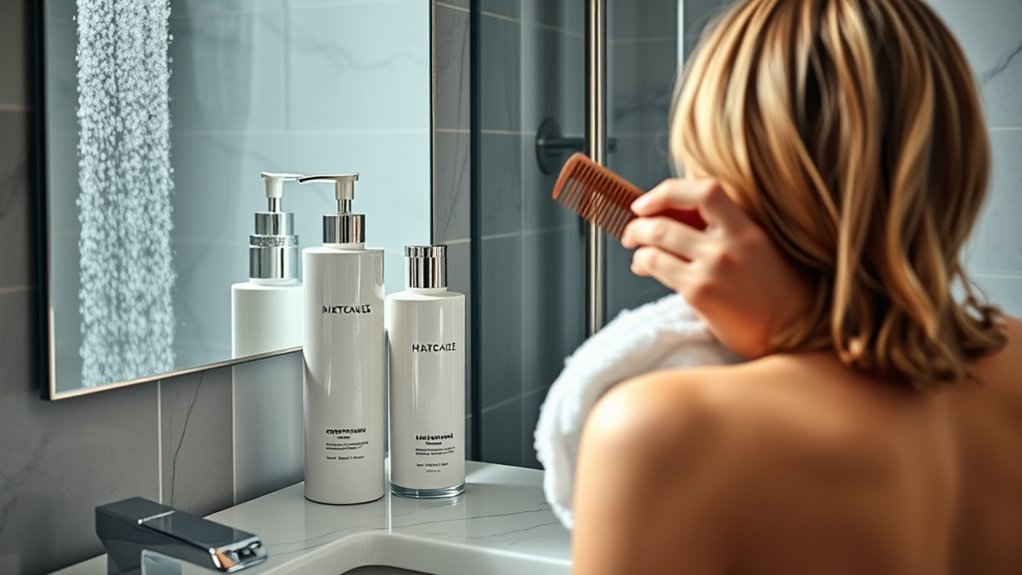
If you’re dealing with fine, damaged, or easily dried-out hair, applying conditioner before shampoo, known as reverse washing, can help lock in moisture by creating a protective barrier.
This method benefits those with damaged hair by improving moisture retention and preventing the shampoo from stripping too much natural oil. Conditioner helps protect your strands, especially when you use a lightweight conditioner to avoid buildup.
You’ll see the most benefit from using conditioner first during dry seasons or before heat styling, as it keeps hair manageable and hydrated.
Just keep in mind that reverse washing is best done once a week to avoid weighing down your hair.
By understanding when and why to use conditioner first, you can tailor your hair care routine to maintain healthier, softer hair.
It’s a simple trick that can make a big difference in how your hair feels and looks.
Reverse Washing vs. Co-Washing: Which Is Right for You?
Although both reverse washing and co-washing focus on boosting hydration, choosing the right method depends on your hair type and cleansing needs.
Both reverse washing and co-washing enhance hydration, but the best choice depends on your hair type and cleansing needs.
Reverse washing involves applying conditioner before shampoo, which retains moisture while cleansing. This makes it great for fine hair or dry, damaged strands.
Co-washing skips shampoo, using conditioner alone to moisturize and gently cleanse. It’s ideal for very dry or textured hair.
Consider these points to decide:
- Use reverse washing about once a week to maintain hydration without weighing hair down.
- Co-washing suits frequent use for moisture maintenance but may not remove heavy oils or buildup effectively.
- Select lightweight, sulfate-free conditioners for both methods to guarantee proper cleansing and moisturizing.
Understanding these differences really helps you pick the best routine for healthy, hydrated hair.
Which Hair Types Benefit From Shampoo and Conditioner Washing Methods
You’ll notice that different hair types actually respond better to certain washing methods.
For instance, if you have fine or dry hair, reverse washing might work best for you. On the other hand, oily hair usually needs shampoo first to really get rid of buildup.
Knowing these tips can help you pick the right routine to keep your hair feeling healthy and balanced.
Hair Type Recommendations
Since different hair types have unique needs, choosing the right washing method can make a big difference in hair health.
For fine hair and dry or damaged hair, reverse washing, which means applying conditioner first, helps retain moisture without weighing hair down or causing more dryness.
Oily hair benefits more from the traditional shampoo first method. This effectively removes excess oil and buildup.
Textured hair often does well with co-washing, which uses conditioner only to cleanse gently while keeping hydration.
Aging hair also benefits from conditioner first washing to protect brittle strands and prevent dryness.
So, it’s all about matching the method to your hair’s needs.
Here’s a quick guide:
- Use reverse washing for fine, dry, damaged, and aging hair.
- Shampoo first for oily hair.
- Try co-washing for textured hair to keep moisture balanced.
Washing Method Benefits
When selecting a washing method, understanding how each approach benefits different hair types can help you achieve healthier, better-looking hair.
The traditional shampoo first method effectively removes oil and buildup. It’s ideal for oily scalps or people who use a lot of products.
If you have fine or frizzy hair, reverse washing, where you apply conditioner before shampoo, helps retain moisture. This method prevents dryness during cleansing, which is great for keeping your hair soft and manageable.
Co-washing uses conditioner to cleanse and suits very dry or textured hair. It provides hydration without stripping natural oils, which can be a game-changer if your hair feels dry or brittle.
Conditioner before shampoo also offers hydration for damaged hair, protecting strands before cleansing.
Tailored approaches are essential. By thinking about your specific hair needs, you can choose the best washing method to maintain scalp health, manageability, and overall hair wellness.
It really comes down to what works best for you!
How to Apply Shampoo and Conditioner Correctly
Start by thoroughly wetting your hair with lukewarm water. This helps guarantee even product distribution and effective cleansing.
To wash hair correctly and keep it healthy, follow these simple steps:
- Apply a small amount of shampoo mainly to your scalp. Gently massage until you create a lather. Try to avoid the mid-lengths and ends so you don’t strip away natural oils.
- Then rinse thoroughly.
- Next, apply conditioner from mid-lengths to ends. Focus on dry areas. Leave it on for about 3 minutes before rinsing well.
- If you want to try reverse shampooing, apply conditioner first, then shampoo. Just make sure you rinse both completely to keep your scalp and hair healthy.
Common Mistakes to Avoid When Washing Your Hair
Although washing your hair might seem straightforward, many people make mistakes that can harm their scalp and hair health. One common error isn’t knowing whether to use shampoo or conditioner first, which affects how well both work.
Using too much shampoo can strip your natural oils, causing dryness and irritation.
Also, applying conditioner directly to your scalp can lead to buildup, weighing your hair down and reducing volume. Skipping conditioner, especially if your hair is prone to breakage, can increase friction and split ends.
Incomplete rinsing of shampoo or conditioner leaves residue, which can cause itching and make your hair look greasy.
To get the best results, focus on gently removing dirt, apply conditioner mainly to the ends of your hair, and avoid overwashing to keep your scalp balanced and healthy.
How to Choose the Right Products for Your Washing Routine
Picking the right shampoo and conditioner can make a big difference in how your hair feels and looks after washing. To choose the best products for your washing routine, consider these key points:
- Match your shampoo to your hair type. Use clarifying shampoo for oily hair or moisturizing shampoo for dry hair to cleanse effectively without stripping natural oils.
- Select a conditioner based on your hair’s needs. Go for lightweight formulas if you have fine hair, and richer ones with natural oils and proteins if your hair is coarse or damaged.
- Opt for sulfate-free and paraben-free products, especially if you have color-treated or sensitive scalp. This helps maintain hair health gently.
You can also try reverse washing. That means applying conditioner before shampoo to see if it improves moisture retention and overall hair condition. It might be worth a shot!
Frequently Asked Questions
Can Washing Order Affect Hair Color Longevity?
Yes, washing order can affect color fading. When you shampoo first, you remove product buildup and dirt, which helps your color treatment last longer.
Conditioner afterward locks in moisture retention and protects your hair cuticle, especially if you have high hair porosity.
Try to adjust your wash frequency to avoid stripping natural oils.
Also, use UV protection products to shield your color from sun damage. This routine supports vibrant, long-lasting hair color.
Does Water Temperature Impact Shampoo and Conditioner Effectiveness?
Imagine your hair as a delicate flower. Water temperature acts like sunlight, influencing its bloom. Yes, water temperature impacts shampoo and conditioner effectiveness greatly.
Lukewarm water opens your cuticle, boosting cleansing power and product absorption tailored to your hair type.
Hot water may damage scalp health by stripping oils, while cold water enhances rinse effectiveness, locking in moisture retention.
Using the right temperature guarantees your hair stays healthy, clean, and nourished after every wash.
It’s a simple step that makes a big difference!
How Often Should I Switch Between Washing Methods?
You should adjust your washing frequency based on your hair type, scalp health, and lifestyle factors.
If you experience product buildup or an oily scalp, switch to shampoo-first more often.
For dry or textured hair, try reverse washing weekly or during dry seasonal changes.
Water hardness also affects how often you need to wash.
Pay attention to your hair’s response and adapt your routine accordingly to maintain balance and cleanliness.
It’s all about finding what works best for you!
Are There Specific Ingredients to Avoid in Shampoos or Conditioners?
You should avoid shampoos and conditioners with sulfates, as they can strip your hair’s natural oils and cause dryness.
Instead, go for sulfate-free options that have natural ingredients to help protect moisture and keep your hair’s pH balanced.
Also, try to steer clear of products with heavy silicones because they can build up and make your hair look dull.
If you’re sensitive to fragrances, it’s best to pick fragrance-free or lightly scented formulas.
For oily hair, clarifying shampoos work great, but don’t overdo it since they can dry your hair out.
Just use them when you really need to refresh your scalp and hair.
Can Washing Order Influence Scalp Conditions Like Dandruff?
Yes, washing order can definitely affect your scalp health. Starting with shampoo removes stubborn oil production, dirt, and product buildup that often trigger dandruff causes.
If you reverse the order, conditioner might seal in debris, worsening scalp sensitivity and flakiness.
Smart washing techniques that prioritize cleansing before conditioning support better treatment options. This keeps your scalp clean, balanced, and less prone to irritation or dandruff flare-ups.
Conclusion
Remember, washing your hair is like tuning an instrument. Getting the order right guarantees harmony. Shampoo first to cleanse your scalp, then conditioner to nourish and protect your strands.
Some hair types might benefit from flipping this routine, but knowing your hair’s needs is key. Avoid common mistakes, choose suitable products, and apply them correctly. With the right steps, your hair will stay healthy, vibrant, and ready to face the day confidently.