Does Clarifying Shampoo Remove Color – What You Need To Know
Clarifying shampoo can remove color by opening your hair’s cuticle and stripping pigment molecules, especially if you use it frequently or have semi-permanent dye. It’s designed to remove buildup but can cause uneven fading and dryness if overused.
Permanent colors fade more slowly, but regular use still impacts vibrancy. Opt for color-safe, sulfate-free formulas and always condition afterward.
Understanding how dye type and care affect results helps you manage color retention effectively. Explore deeper insights to optimize your hair care routine.
What Is Clarifying Shampoo and How Does It Work
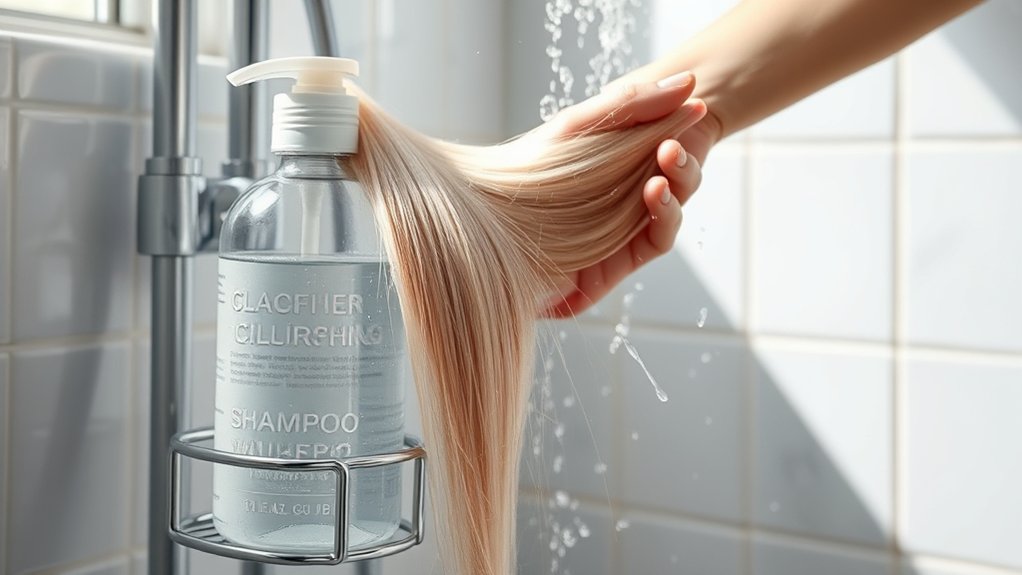
Clarifying shampoo delivers a more intense cleanse than regular shampoos by targeting product buildup and impurities on your hair. It contains stronger agents like sodium lauryl sulfate and citric acid that bind to minerals and metals, enabling the removal of residues regular shampoos often miss.
This shampoo’s higher alkalinity opens the hair cuticle, allowing it to remove impurities effectively.
While this action can lead to color fading in dyed hair, clarifying shampoo is best reserved for occasional use to prevent excessive dryness or damage. Using it sparingly helps maintain vibrancy by eliminating dulling buildup without compromising hair integrity.
Use clarifying shampoo occasionally to avoid dryness and preserve color vibrancy while removing buildup.
You should avoid frequent use to balance deep cleansing benefits with hair health. That way, your hair stays clean and vibrant without unwanted side effects.
What Happens to Colored Hair When Using Clarifying Shampoo
When you use clarifying shampoo on colored hair, it opens up the hair cuticle. This can cause some of the color molecules to escape, which leads to fading.
Now, how much your color fades really depends on the type of dye you used. Temporary colors tend to wash out faster, while permanent dyes usually hold up better.
Color Fading Effects
Although you might appreciate the deep cleansing benefits, using a clarifying shampoo can speed up color fading by getting into the hair cuticle and releasing color molecules. This effect depends on the type of dye you have; permanent colors tend to resist fading better than temporary ones.
When you use clarifying shampoo often on color-treated hair, especially where there’s product buildup, you risk uneven color loss. To keep fading at bay, try to limit how often you use it to once every 2-3 weeks.
Clarifying shampoo is great for removing excess oil and residue, but if you overdo it, your color vibrancy can take a hit. After washing, rinse with cool water to help seal the cuticle, which reduces color loss and keeps your vibrancy intact.
Cuticle Opening Impact
Because of its intense cleansing action, clarifying shampoo actively opens the hair cuticle. This allows color molecules to escape more readily. When you use clarifying shampoo on colored hair, the lifted hair cuticle helps color fade by releasing trapped dye.
This process can be uneven, especially where product buildup or damage varies along the hair strand. Plus, the exposed inner hair structure becomes vulnerable to dryness and damage if you don’t follow up with adequate conditioning.
So, to keep your hair healthy and your color lasting longer, it’s best to limit how often you use clarifying shampoo.
Open cuticles speed up color molecule loss, which makes color fading happen faster. Uneven product buildup leads to inconsistent fading patterns. Exposed hair cortex risks dryness and structural damage.
Essential conditioning restores moisture and strengthens hair after cleansing.
Dye Type Variations
If you choose to use clarifying shampoo on colored hair, understanding how different dye types respond is essential. Clarifying shampoo’s intense cleansing action opens the hair cuticle, allowing dye molecules to escape, which causes color fade. Semi-permanent dyes tend to wash out faster, leading to more noticeable patchy fading.
Permanent colors resist fading better but are still vulnerable over time. Dye composition and hair type influence the degree of color loss. Waiting at least three days post-coloring helps the dye set and reduces premature fade.
| Dye Type | Response to Clarifying Shampoo | Fading Characteristics |
|---|---|---|
| Semi-permanent dyes | Easily removed | Rapid, patchy fading |
| Permanent colors | More resistant | Gradual color fade |
| Vivid colors | Highly susceptible | Intense, uneven fading |
Can Clarifying Shampoo Remove Permanent and Semi-Permanent Color?
How effectively a clarifying shampoo removes hair color depends on the type of dye you used. Clarifying shampoo’s deep-cleansing properties can speed up fading by lifting some color molecules from your strands.
Semi-permanent color, which coats the hair rather than penetrating the shaft, is easier to remove with clarifying shampoo.
Permanent color, on the other hand, is embedded within the hair cortex. It resists removal but can still fade after repeated use.
Clarifying shampoo contains strong surfactants that strip oils and buildup, which can unintentionally remove some color. Semi-permanent color fades faster since it sticks to the surface of your hair.
Permanent color needs multiple washes for you to notice any fading.
Just remember, overusing clarifying shampoo without conditioning treatments can damage your hair and make color loss worse.
Choosing Color-Safe Clarifying Shampoos for Colored Hair
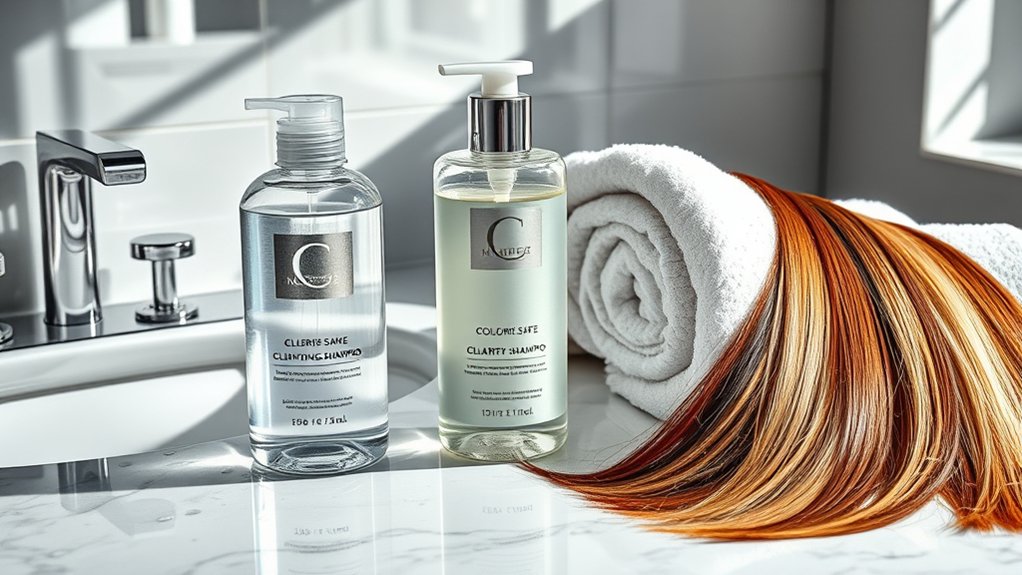
When you’re picking out a clarifying shampoo for color-treated hair, it’s a good idea to go for sulfate-free formulas. They help prevent your color and moisture from being stripped away.
Also, keep an eye out for products that are specifically labeled as color-safe. These will help maintain your color’s vibrancy while still getting rid of buildup.
Plus, ingredients like sunflower seed extract and vitamin E are great—they can protect and nourish your hair as you cleanse.
Sulfate-Free Clarifying Options
Although clarifying shampoos effectively remove buildup, choosing sulfate-free, color-safe formulas is crucial for preserving dyed hair. Sulfate-free shampoo options gently cleanse color-treated hair without accelerating color fade.
These clarifying shampoos often include natural chelation agents to target mineral deposits while maintaining hair integrity.
To optimize results, follow these guidelines: Select clarifying shampoos labeled as color-safe to minimize pigment stripping. Limit use to once every 2-3 weeks to prevent dryness and preserve color vibrancy.
Always apply a moisturizing conditioner post-wash to restore hydration and protect the cuticle.
You might want to consider products like Paul Mitchell Shampoo Two or Foaming ACV Rinse that balance cleansing and color preservation. This approach guarantees buildup is removed efficiently while maintaining hydration and the longevity of your hair color.
Protecting Color Integrity
Selecting the right clarifying shampoo plays a key role in protecting your hair color. Choose a color-safe clarifying shampoo free from sulfates and harsh chemicals to minimize color stripping and preserve vibrancy.
Formulas enriched with sunflower seed extract and vitamin E help maintain moisture, which is essential for protecting color integrity.
Use clarifying shampoos sparingly, ideally once every 2-3 weeks, to prevent fading and maintain the longevity of your color. After clarifying, apply a moisturizing conditioner to replenish hydration and lock in color.
This combination effectively balances thorough cleansing with moisture retention, ensuring your hair remains healthy and vibrant.
By carefully selecting and properly using clarifying shampoos, you actively prevent premature fading and support the durability of your color-treated hair.
It’s all about keeping that color looking fresh and bright for as long as possible.
How to Remove Hair Dye With Clarifying Shampoo
Because clarifying shampoo works by opening the hair cuticles, it helps color molecules escape. This makes it great for fading temporary and semi-permanent dyes.
To remove hair dye, start by thoroughly wetting your hair. Then, apply the shampoo evenly and let it sit for a few minutes before rinsing. This process helps fade the color, but you might need to repeat it a few times to see noticeable results.
Wet hair, apply shampoo evenly, let sit briefly, then rinse; repeat as needed to fade hair color.
Always follow up with a hydrating conditioner to restore moisture and keep your hair healthy. Try not to overdo it though, as excessive use can cause dryness and damage.
Keep in mind, clarifying shampoo works best on temporary dyes since permanent dyes are more resistant to fading. Make sure to apply the shampoo evenly to get a uniform color removal.
Using it once every 2-3 weeks is a good balance between cleaning your hair and maintaining its health.
And remember, a hydrating conditioner after washing is essential to prevent brittleness and keep your hair feeling soft.
How Often Should You Use Clarifying Shampoo on Colored Hair?
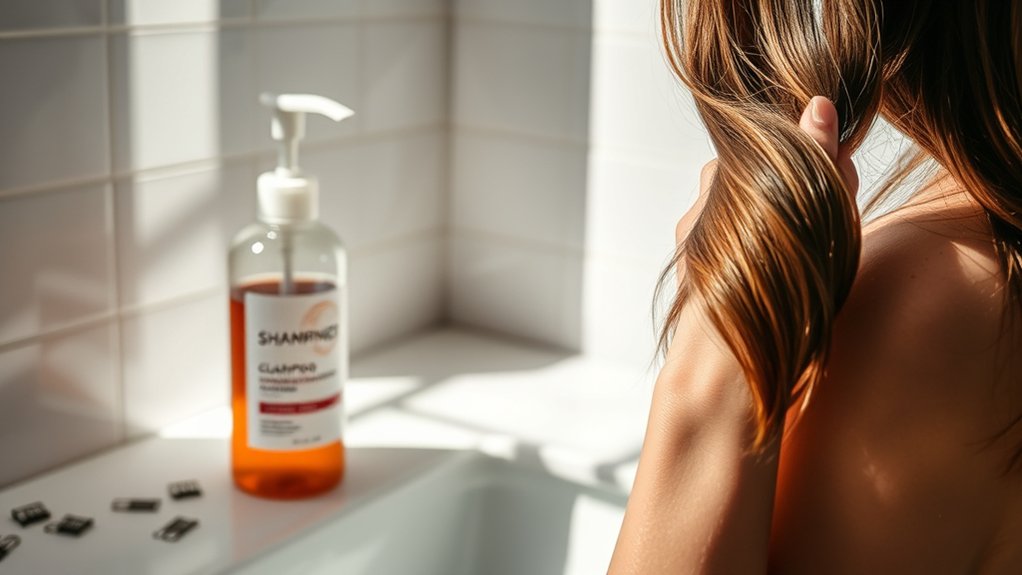
You should use clarifying shampoo on colored hair about once every 2 to 3 weeks. This helps avoid excessive color fading and moisture loss.
Using it too often can strip your hair of natural oils, which might lead to breakage. So, it’s best to keep it limited.
If you have heavy product buildup or live in an area with hard water, you might need to use it weekly.
Just make sure to always follow up with a hydrating conditioner to keep your hair protected and healthy.
Recommended Usage Frequency
Using clarifying shampoo on colored hair once every 2-3 weeks strikes the right balance between removing buildup and preserving color integrity. This recommended usage frequency helps prevent fading while maintaining overall hair health.
If you use heavy styling products or live in an area with hard water, weekly use might be necessary, but proceed cautiously to avoid stripping essential oils. Always wait at least three days after coloring before applying clarifying shampoo to allow the color to set fully.
Follow each clarifying shampoo session with a hydrating conditioner to replenish moisture and protect your hair.
Clarifying shampoo removes residue without excessive color loss when used moderately. Weekly use suits heavy product users or hard water conditions but requires care.
Essential oils depletion leads to dryness, so limit frequency accordingly. Hydrating conditioner restores moisture and supports color-treated hair health.
Risks Of Overuse
While clarifying shampoo effectively removes buildup, overusing it on colored hair can speed up color fading and strip away essential natural oils. You should limit clarifying shampoo use to once every 2-3 weeks to avoid these risks.
Using it too often can cause dryness, more breakage, and dullness because it strips the natural oils that keep your hair healthy. Always follow up with a moisturizing conditioner to restore hydration and help protect your color.
| Frequency | Effect on Color | Hair Condition Impact |
|---|---|---|
| Once every 2-3 weeks | Maintains color integrity | Healthy moisture balance |
| More than twice a month | Increased color fade | Dryness, breakage risk |
| Immediately after coloring | Significant color loss | Weakened, brittle strands |
Knowing this stuff helps you take care of your colored hair while still managing buildup well.
Styling Product Considerations
Although clarifying shampoo is essential for removing buildup, its use on colored hair requires careful timing and frequency adjustments based on your styling habits.
If you frequently apply styling products, buildup can accelerate, which means you might need more regular clarifying treatments. But be careful — overusing it can strip your color-treated hair, so finding the right balance is key.
Here are some points to keep in mind for ideal use:
- Follow a frequency recommendation of once every 2-3 weeks for typical use; increase to once a week if you use many styling products or have hard water exposure.
- Avoid clarifying shampoo for at least three days after coloring to protect your color’s integrity during post-coloring care.
- Dilute clarifying shampoo with a color-safe shampoo to reduce harshness on color-treated strands.
- Keep an eye out for buildup signs like residue or limpness to know when your hair really needs a clarifying shampoo.
Protecting Your Hair When Using Clarifying Shampoo
Since clarifying shampoos can strip away natural oils and affect color vibrancy, you should choose color-safe formulas specifically designed for treated hair.
To maintain hair health, limit usage to once every 2-3 weeks, preventing excessive dryness and damage.
After applying clarifying shampoo, always follow with a moisturizing conditioner to restore hydration and protect against dryness. Rinsing your hair with cool water helps seal the cuticle, preserving color intensity.
To further reduce harsh effects, consider diluting the clarifying shampoo with a regular color-safe shampoo.
Adhering to these steps guarantees you effectively remove buildup while safeguarding your hair’s moisture balance and color integrity. This way, you keep your hair healthy and vibrant overall.
What to Expect When Clarifying Shampoo Fades Your Hair Color
If you use clarifying shampoo too often, you’ll notice your hair color starts to fade unevenly, especially with vivid shades like blue or purple.
Clarifying shampoo isn’t designed to remove color but its intense cleansing action opens the hair cuticle, accelerating color loss. This leads to patchy fading and diminished vibrancy in colored hair.
Clarifying shampoo opens the hair cuticle, speeding up color loss and causing uneven fading in vibrant hair.
To keep your hair healthy, you’ll want to use clarifying shampoo sparingly.
And it’s a good idea to follow up with deep conditioning to restore moisture and keep your hair feeling soft.
Expect the following when clarifying shampoo fades your color:
- Uneven fade patterns, especially in vivid or semi-permanent dyes
- Stripping of natural oils, causing dryness and brittleness
- Gradual loss of color intensity with repeated use
- Necessity to deep condition after each use to protect hair health
Alternatives to Clarifying Shampoo for Removing Hair Color
When you want to remove hair color without the harsh effects of clarifying shampoo, several alternatives can achieve this more gently and effectively.
Mixing baking soda with your regular shampoo offers a mild exfoliation that helps remove color without drying out your hair too much.
A vitamin C treatment, made by crushing tablets and mixing them with shampoo, uses acidic properties to safely lighten dye. It’s a simple method that many find effective at fading unwanted color.
Specialized color remover products target artificial pigments while minimizing damage, making them a precise option to consider.
The dish soap method can strip color but you’ll need to follow up immediately with a deep conditioner to restore moisture.
Finally, natural oils like coconut or olive oil gradually fade color while nourishing your hair. This is probably the gentlest choice if you want ongoing maintenance without the intensity of clarifying shampoo.
Tips for Maintaining Healthy, Vibrant Color After Clarifying
After using clarifying shampoo to remove buildup or unwanted color, you need to take specific steps to preserve your hair’s vibrancy and health. Clarifying shampoos can strip natural oils and fade color-treated hair, so follow these tips to maintain vibrant color effectively.
Use a deep moisturizing conditioner immediately after clarifying to restore hydration and protect hair integrity.
Limit use of clarifying shampoo to once every 2-3 weeks to prevent excessive fading and dryness. Rinse with cool water post-wash to seal the cuticle, locking in color and enhancing shine.
Choose sulfate-free clarifying shampoos formulated for color-treated hair to minimize color stripping.
Also, incorporate regular deep conditioning treatments to nourish and hydrate hair. This helps ensure your vibrant color stays healthy and long-lasting.
Frequently Asked Questions
Can Clarifying Shampoo Cause Scalp Irritation With Frequent Use?
Yes, frequent washing with clarifying shampoo can cause scalp irritation, especially if you have scalp sensitivity. The strong surfactants disrupt your scalp’s pH balance and strip natural oils. This leads to dryness and irritation symptoms like redness and itching.
Overuse compromises hair health by removing essential oils while targeting product buildup. To minimize irritation, limit use to every 2-3 weeks.
Also, choose sulfate-free formulas and consider alternative solutions like gentle cleansers or conditioners that maintain moisture.
Does Water Temperature Affect Clarifying Shampoo’s Color Removal Ability?
Water temperature subtly influences clarifying shampoo’s color removal ability. When you use warm water, it gently lifts the hair cuticle. This helps the shampoo dissolve product buildup better and improves how well it rinses out.
This effect is especially helpful for hair with higher porosity. On the other hand, cooler water seals the cuticle, which reduces color fading.
Can Clarifying Shampoo Be Used on All Hair Types Safely?
You can use clarifying shampoo on most hair types, but hair type compatibility matters. Fine hair needs gentler, sulfate-free options.
Follow clarifying frequency guidelines to avoid dryness, typically once every one to two weeks.
Make sure you use proper application techniques and always pair with moisturizing conditioners to keep your hair hydrated.
For color retention, check user experience reviews to find formulas that minimize fading.
If your hair is fragile or color-treated, consider alternative cleansing methods for safer results.
It’s all about choosing what works best for your hair’s unique needs.
Will Clarifying Shampoo Remove Hair Treatments Like Keratin or Protein?
If you’ve had a keratin treatment, using clarifying shampoo too soon can strip away the smoothing effects by breaking down the protective protein bonds.
For example, one client noticed her hair color faded and the keratin treatment lost its sleekness after frequent use.
Clarifying shampoos offer benefits like removing product buildup and improving scalp health.
But because of the sulfates they contain, it’s important to follow frequency guidelines closely.
Avoid using clarifying shampoo for at least two weeks after your treatment for the best care.
How Long Should I Wait to Recolor Hair After Using Clarifying Shampoo?
You should wait at least 72 hours before recoloring your hair after using clarifying shampoo. This timing helps minimize color fade and gives your hair’s cuticle time to recover.
It’s all about improving hair health and making sure your dye lasts longer.
Clarifying shampoo removes product buildup, but it can also increase hair porosity and make your scalp more sensitive.
So, giving your scalp a little break reduces the chances of irritation.
Try using a deep conditioner to restore moisture and keep your color vibrant.
This will help your next color application stick better and last longer.
Conclusion
If you think clarifying shampoo won’t touch your color, think again. It can strip your hue faster than a lightning bolt fries a circuit. While it’s a powerful tool to remove buildup and fade unwanted dye, you have to be careful.
You need to use it cautiously to avoid turning your vibrant locks into a dull mess. Always choose color-safe formulas and protect your hair. Otherwise, you might undo weeks of coloring work in just one wash.