Can You Use Head And Shoulders Shampoo On Dogs – Is It Safe Or Not
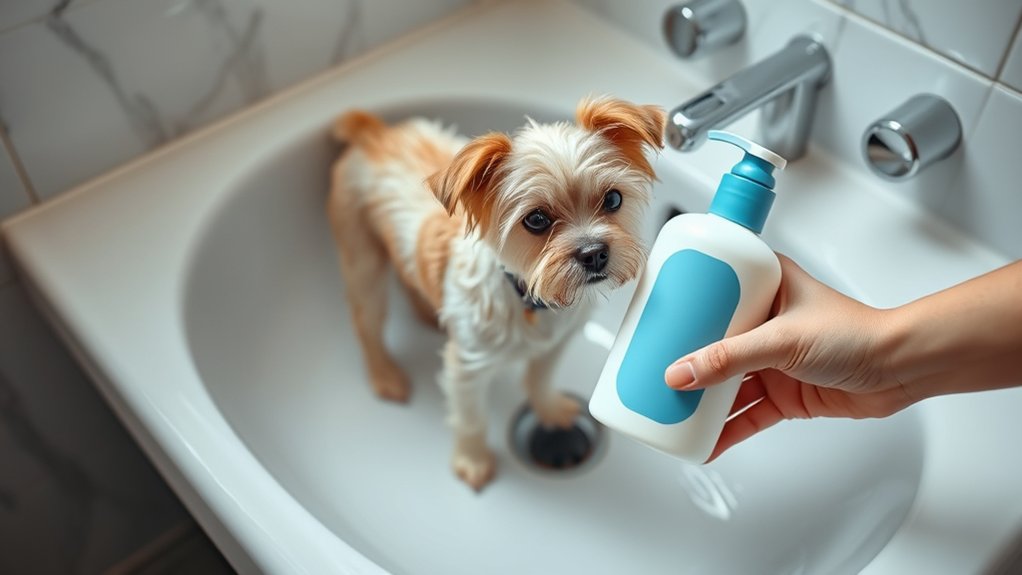
You shouldn’t use Head & Shoulders shampoo on your dog because its harsh detergents and zinc pyrithione can irritate and dry out your dog’s skin. This can disrupt their natural pH balance, causing discomfort or even toxicity if ingested. Dogs have different skin properties than humans, which makes human shampoos unsafe for them.
To protect your dog’s skin health and manage dandruff safely, it’s important to choose suitable products and understand the proper care methods. Take some time to learn what makes dog skin unique and find the safest options available for your furry friend.
Why Head And Shoulders Isn’t Safe For Dogs
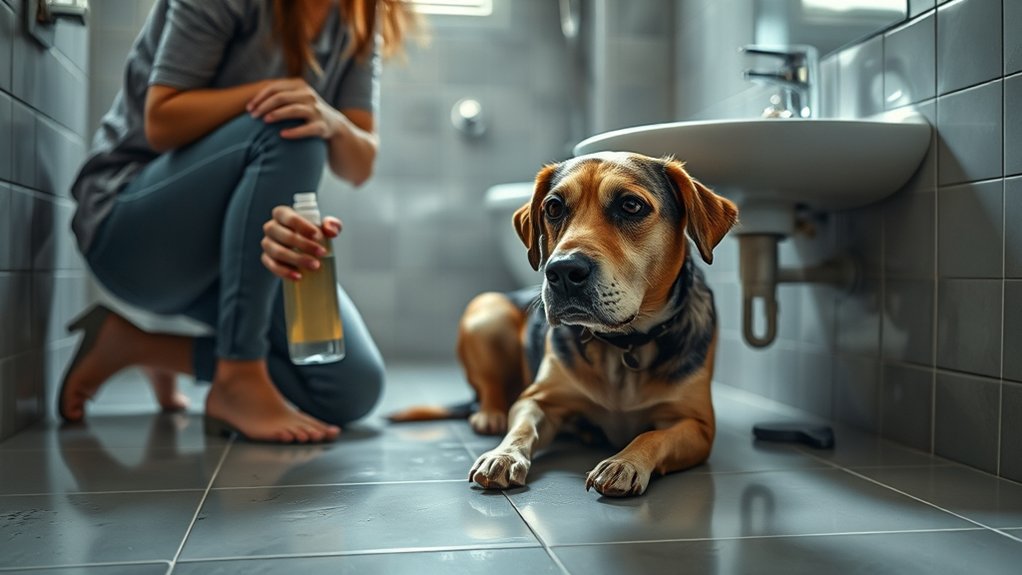
Although Head & Shoulders shampoo effectively cleans human hair, you shouldn’t use it on dogs because its strong detergents strip their natural oils. This can cause dry, itchy, and irritated skin.
Human shampoos like Head & Shoulders are made for the acidic pH of human skin, which is very different from a dog’s neutral skin pH. Using these shampoos messes with your dog’s skin barrier. That can increase the chance of infections and make skin problems worse.
Ingredients like zinc pyrithione are safe for people but can be toxic to dogs if they lick it off. This might cause symptoms like vomiting and lethargy.
At first, using Head & Shoulders might seem to make your dog’s coat look better. But over time, it actually causes a cycle of dryness and irritation.
What Makes Dog Skin Different From Ours?
Because dog skin differs considerably from human skin in structure and chemistry, using your shampoo on your pet can cause more harm than good.
Dog skin has a higher skin pH, around 7.5, compared to the more acidic human skin pH of 5.5. This difference means human shampoos aren’t formulated for canine skin.
Dog skin’s pH is about 7.5, making human shampoos unsuitable for your canine companion.
Furthermore, dog skin is thinner with fewer cell layers, making it more prone to irritation from harsh ingredients.
The structure of hair follicles and sebaceous glands in dogs also varies, producing natural oils essential to skin health that human shampoos can strip away.
Plus, dog skin replaces cells faster, so using inappropriate products can lead to quicker adverse reactions.
Understanding these differences is vital to choosing the right care for your dog.
It’s all about keeping your furry friend comfortable and healthy!
Risks Of Using Head And Shoulders Shampoo On Dogs’ Skin
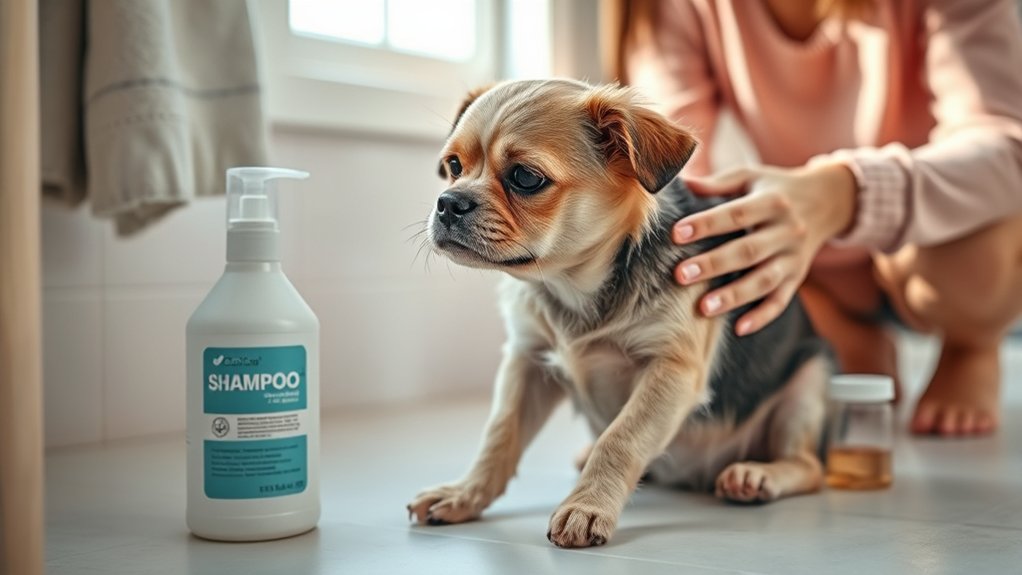
Knowing that dog skin differs considerably from human skin helps explain why using Head & Shoulders shampoo on your pet can cause problems.
This shampoo’s lower pH disrupts your dog’s natural skin barrier, leading to dryness and skin irritation. Ingredients like salicylic acid and strong detergents, meant for human scalp issues, may provoke adverse reactions in dogs.
Even a single use can strip essential oils, compromising skin health and increasing infection risk.
Plus, if your dog ingests the shampoo, it could face zinc poisoning, causing serious symptoms. So, it’s really not worth the risk.
Instead, it’s best to opt for medicated shampoos formulated specifically for dogs.
These products maintain proper pH balance and treat skin issues safely. That way, your pet’s skin stays healthy without unwanted side effects.
Common Causes Of Dog Dandruff You Should Know
You should know that dog dandruff often comes from an imbalance in your pet’s skin moisture. When their skin gets too dry, it can make their coat flaky.
Allergies and irritants can also play a role by causing inflammation, which leads to more flakes.
On top of that, underlying health issues like infections might be contributing to the problem.
Skin Moisture Imbalance
Although dog dandruff often seems like just a minor annoyance, it usually points to an underlying skin moisture imbalance. This can be caused by things like improper shampooing or dry environmental conditions.
When your dog’s skin moisture gets out of whack, it often leads to flaky skin and discomfort.
To help keep your dog’s skin moisture balanced, here are some key tips to keep in mind:
- Avoid using harsh human shampoos because they strip away natural oils and can make flaky skin worse.
- Regular grooming and brushing help spread essential oils around, which supports healthy skin moisture.
- Try using medicated shampoos made specifically for dogs to restore moisture and tackle dandruff more effectively.
Allergies And Irritants
When your dog exhibits dandruff, allergies and environmental irritants often play a big role in triggering skin inflammation and flaking. Allergies to food, pollen, or flea bites can make your dog’s skin condition worse, causing discomfort and visible dandruff.
On top of that, harsh chemicals in cleaning products or shampoos might mess with the skin barrier, leading to even more dryness and flaking. Some dog breeds are more sensitive, so they’re more likely to have these skin reactions.
Dry air, especially during winter, can also make dryness worse, which means more dandruff.
To keep this under control, make sure you groom your dog regularly and give them nutritional support rich in omega fatty acids to help keep their skin moist.
Also, be careful about the products you use so you don’t accidentally make your dog’s skin condition worse because of allergies and irritants.
Underlying Health Conditions
Since dandruff can signal more than just dry skin or allergies, it’s important to think about underlying health conditions that might be causing your dog’s flaky coat. Identifying these causes helps you figure out if an anti-dandruff shampoo alone will do the trick or if you need to see a vet.
Common underlying health conditions include atopic dermatitis, which affects 10-15% of dogs. It’s linked to environmental allergens that cause chronic skin inflammation.
Then there’s seborrheic dermatitis, which makes the skin produce too much sebum, leading to greasy skin and flakes.
Hormonal imbalances like hypothyroidism or Cushing’s disease can also mess with your dog’s skin health and moisture balance. Nutritional deficiencies play a role too.
Could Head And Shoulders Poison Your Dog?
You should know that Head and Shoulders has zinc pyrithione in it, which can be harmful to dogs if they swallow it or if it gets in their eyes.
It’s important to watch out for signs like vomiting, being very tired, or even yellowing of the skin and eyes—that could mean zinc poisoning.
If you notice any of these symptoms in your dog, don’t wait; call your vet right away to get the right treatment.
Zinc Pyrithione Toxicity Risks
Although Head & Shoulders shampoo contains Zinc Pyrithione to combat dandruff in humans, this ingredient can pose significant risks to dogs.
Zinc pyrithione may disrupt your dog’s skin pH balance, causing irritation and increasing infection risk. It also strips essential oils, leading to dryness and flakiness in dog skin.
Here are key toxicity risks to evaluate:
- Zinc Pyrithione can irritate and damage your dog’s skin, altering its natural protective barrier.
- Using human shampoos with this ingredient can make dryness worse, leaving your dog’s skin more vulnerable.
- Improper use without veterinary guidance raises the risk of adverse reactions.
So, it’s best to stick with safer, canine-specific shampoos.
Always prioritize products formulated for dogs to avoid these zinc pyrithione toxicity risks. That way, you can better protect your pet’s skin health.
Ingestion And Eye Exposure
Beyond skin irritation, exposure to Head & Shoulders shampoo can pose serious health threats if ingested or if it gets into your dog’s eyes. Ingestion of the shampoo may lead to zinc poisoning, which can cause vomiting, lethargy, and jaundice.
Eye exposure can cause irritation and discomfort. This might get worse depending on how sensitive your dog is.
Zinc Pyrithione disrupts your dog’s skin pH and is harmful when ingested or if it comes in contact with the eyes. If your dog swallows the shampoo or it gets in their eyes, immediate veterinary care is essential to prevent serious complications.
| Exposure Type | Potential Risks |
|---|---|
| Ingestion | Zinc poisoning, vomiting, lethargy |
| Eye Exposure | Irritation, discomfort |
| Both | Require urgent veterinary attention |
Symptoms Of Poisoning
When your dog shows signs like excessive itching, redness, or increased flakiness after exposure to Head & Shoulders shampoo, these symptoms could mean poisoning or an allergic reaction. Recognizing these signs early is super important for your pet’s health.
Keep an eye out for these key signs of skin irritation and possible poisoning:
- Persistent scratching, red patches, and flaky skin. These usually suggest disrupted skin pH and irritation.
- Vomiting, lethargy, or jaundice. These might indicate zinc poisoning if the shampoo was ingested or got into the eyes.
- Chronic skin problems that get worse over time with repeated use of human shampoos.
If you notice any of these symptoms, don’t wait. Get your dog to the vet right away to avoid serious complications.
Safe Alternatives To Head And Shoulders For Dog Dandruff
If you want to effectively manage your dog’s dandruff without risking irritation, it’s best to choose shampoos formulated specifically for canine skin. Safe alternatives to Head and Shoulders include veterinary formulas like Veterinary Formula® and DermaBenSs®. These target dandruff effectively while being gentle.
Opt for dog shampoo containing natural moisturizers such as aloe vera or oatmeal to soothe dry skin and reduce flakes.
Choose shampoos with natural moisturizers like aloe vera or oatmeal to calm dry skin and minimize flakes.
Furthermore, consistent grooming plays an essential role by distributing natural oils and preventing dryness.
You can also consider homemade remedies like coconut oil mixed with dog-safe essential oils to improve skin health. Always avoid using human products unless directed by a vet, and consult your veterinarian before trying any medicated options.
Choosing the right dog shampoo guarantees you protect your pet’s sensitive skin safely. It’s really worth taking the time to find the best solution for your furry friend.
Is It Time To Try Medicated Shampoo?
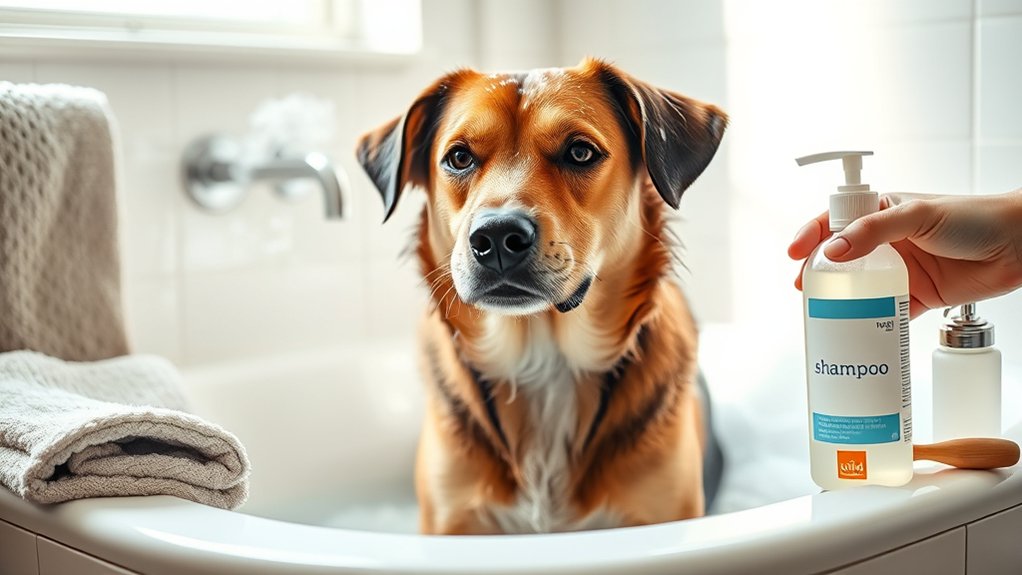
If your dog’s skin problems just won’t go away, even after using regular shampoos, it might be worth thinking about trying a medicated one.
These special shampoos have ingredients that target specific issues like fungal infections or allergies.
But before you make the switch, be sure to talk with your veterinarian.
They can help you pick the right product and make sure it’s safe for your furry friend.
Medicated Shampoo Benefits
Although regular shampoos can keep your dog clean, medicated shampoos offer targeted relief for specific skin conditions like dermatitis, allergies, and infections. These products contain active ingredients designed to address underlying issues more effectively.
Here are three key benefits of medicated shampoos:
- They include active ingredients such as chlorhexidine and medicated sulfur that combat bacteria and fungi, promoting healthier skin.
- They help maintain the skin’s moisture barrier, reducing dryness and flakiness that can worsen skin problems.
- They provide targeted treatment, often recommended by veterinarians for persistent or severe skin conditions.
Using medicated shampoos can improve your dog’s comfort and skin health.
Just be sure to keep an eye out for any adverse reactions, and stop using the shampoo if you notice any.
When To Consult Veterinarian
Knowing when to seek veterinary advice can make a big difference in managing your dog’s skin health. If your dog has persistent itching, redness, or flaky skin, don’t hesitate to consult a veterinarian.
These symptoms might be signs of allergies, infections, or parasites that regular shampoos, including Head and Shoulders, won’t fix.
A veterinarian can accurately diagnose the issue and recommend medicated shampoos with active ingredients like chlorhexidine or miconazole, tailored just for your dog.
If over-the-counter products aren’t helping, seeing a vet ensures your dog gets timely and effective treatment.
Regular check-ups also help keep an eye on your dog’s skin health and prevent problems from getting worse.
Bottom line: professional guidance is key before trying medicated shampoos to keep your dog safe and comfortable.
How To Bathe Your Dog Without Irritating Their Skin
Three essential steps can help you bathe your dog without irritating their skin. Following these guidelines guarantees your dog stays comfortable and their skin remains healthy.
1. Brush Before Bathing: Thoroughly brush your dog to remove loose fur and dirt. This reduces tangles and prevents dirt from embedding into the coat during washing.
It’s a simple step but makes a big difference.
2. Use Lukewarm Water and Proper Shampoo****: Always bathe your dog with lukewarm water and use shampoos specifically formulated for dogs.
These maintain the correct pH balance, avoiding skin irritation. So, avoid human shampoos—they just won’t do the trick.
3. Rinse Thoroughly: Confirm you rinse all shampoo residue from your dog’s skin and coat.
Leftover shampoo can cause allergic reactions or discomfort. Take your time with this part—it’s worth it to keep your pup happy.
How To Choose The Best Shampoo For Your Dog’s Skin
After you’ve mastered the bathing process to protect your dog’s skin, selecting the right shampoo becomes the next priority. Always choose a shampoo for dogs specifically formulated to match their pH balance. This helps prevent irritation and keeps their skin healthy.
If your dog has sensitive skin, look for gentle ingredients like aloe vera, oatmeal, or coconut oil. These ingredients soothe dryness and itching, making bath time more comfortable for your furry friend.
Avoid human shampoos, especially those with strong detergents or fragrances. They can strip natural oils and damage the skin barrier, which isn’t good for your dog’s skin.
If your dog has specific skin issues, it’s best to consult your veterinarian. They can recommend medicated shampoos that target those problems.
Also, keep an eye on your dog’s coat and skin condition regularly. This way, you can adjust how often you bathe them or switch shampoos if needed.
Taking time to choose the right shampoo ensures your dog’s skin stays healthy and comfortable.
What To Do If Your Dog’s Skin Problems Persist
If your dog’s skin problems persist despite using the right shampoos and proper care, it’s important to consult a veterinarian for a thorough diagnosis. Persistent issues may indicate underlying allergies, infections, or other health concerns requiring targeted treatment.
Here’s what you should do:
- Schedule regular vet check-ups to identify any underlying causes and get a tailored treatment plan.
- Discuss the use of medicated shampoos specifically formulated for dogs, which can effectively address ongoing skin conditions.
- Consider dietary adjustments recommended by your veterinarian, such as hypoallergenic or fish-based diets, to reduce skin irritation caused by food allergens.
Make sure to monitor your dog’s skin closely. If you notice any new symptoms, report them to your vet promptly so they can provide timely intervention and relief.
Frequently Asked Questions
Can Head and Shoulders Shampoo Affect My Dog’s Coat Texture?
Yes, Head and Shoulders shampoo ingredients can negatively affect your dog’s coat texture. The harsh detergents strip natural oils that are essential for keeping the coat healthy. This leaves it dry and rough.
Using a shampoo not formulated for dogs can mess with the skin’s pH balance. Over time, this weakens hair follicles and causes problems like flakiness and excessive shedding.
Plus, the coat can end up looking dull.
How Often Should I Bathe My Dog to Prevent Dandruff?
You should bathe your dog every 4 to 6 weeks to keep dandruff at bay and maintain a healthy coat. Overbathing can actually strip away the natural oils your dog needs, so it’s best to stick to this schedule unless your vet says otherwise.
Along with regular baths, brushing your dog often helps spread those natural oils around and reduces flakes. It’s a simple step that can make a big difference in preventing dandruff.
If you notice dandruff sticking around despite your efforts, don’t hesitate to check in with your vet. They can recommend special shampoos or treatments that are just right for your dog’s skin condition.
Are There Natural Remedies for Dog Dandruff?
Yes, you can use natural remedies for dog dandruff. Oatmeal baths soothe irritated skin and help relieve itching without stripping natural oils.
Applying coconut oil topically moisturizes dry patches and calms irritation.
These remedies support your dog’s skin health gently. Just be cautious with quantities and watch for any reactions.
Regular use, combined with proper grooming, can greatly reduce dandruff and improve your dog’s coat condition over time.
Can Dog Dandruff Indicate Other Health Issues?
Just like a smoke signal warns of fire, dog dandruff can signal deeper health concerns. When you notice flakes on your dog’s skin, don’t ignore them. They might point to allergies, hormonal imbalances, or even infections.
Paying attention to dog skin health helps you catch these issues early. If your dog’s dandruff persists or worsens, consult a vet to rule out serious problems.
This way, you can keep your furry friend comfortable and healthy.
Is It Safe to Use Human Conditioner on Dogs?
You shouldn’t use human conditioner on your dog because human hair products don’t match your dog’s skin needs.
Human conditioners often contain fragrances and chemicals that can disrupt your dog’s skin pH, leading to irritation or dryness.
Since dog skin is different from human skin, it’s best to avoid these products.
Instead, choose conditioners made specifically for dogs to keep your pet’s coat healthy and safe.
It’s really the safer choice for your furry friend.
Conclusion
You might be tempted to share your Head and Shoulders shampoo with your dog, but their skin is a whole different world. Using human shampoo can irritate or even harm them, like throwing a wrench into a delicate machine.
Instead, choose shampoos specially designed for dogs and consult your vet if problems linger. Protecting your furry friend’s skin means thinking twice before reaching for products not made for them.