Is 2 In 1 Shampoo And Conditioner Good – Pros And Cons
You can simplify your hair care routine with 2-in-1 shampoo and conditioner since it cleanses and conditions in one step, saving time and money. However, it may cause dryness or buildup, especially if you have dry or damaged hair.
Silicones can help with smoothness but might weigh down fine or oily hair. These products work best for occasional use, paired with clarifying shampoos to maintain balance.
To understand how to choose and use them effectively, keep exploring the details.
What Is a 2-In-1 Shampoo and Conditioner?
Formulating these products is complex because cleaning ingredients, like anionic surfactants, can conflict with cationic conditioning agents. However, modern 2-in-1 shampoo and conditioner formulas have improved, often including beneficial components such as soy protein and vitamin B5 to support hair health.
Creating 2-in-1 formulas is challenging due to ingredient conflicts, but modern versions include nourishing elements like soy protein and vitamin B5.
While convenient, these all-in-one products mightn’t fully replace traditional shampoos and conditioners, especially if your hair is dry or damaged.
Understanding their composition helps you make informed choices about your hair care routine.
How Do 2-In-1 Shampoos Actually Work?
Understanding how 2-in-1 shampoos work helps you appreciate the complex chemistry behind their convenience. These products combine anionic surfactants for cleansing with conditioning ingredients like cationic polymers. Cosmetic chemists have developed precise formulations to balance these conflicting components.
This careful balance prevents product buildup while delivering both cleansing and moisturizing effects. It’s pretty neat how science makes your hair care routine simpler and faster.
| Component | Function | Benefit |
|---|---|---|
| Anionic Surfactants | Lift dirt and oils | Effective cleansing |
| Cationic Polymers | Adhere to hair strands | Provide conditioning |
| Bonding Agents | Stabilize formula | Guarantee consistent performance |
This sophisticated blend lets 2-in-1 shampoos clean your hair thoroughly while depositing conditioning agents. It minimizes residue and makes your hair more manageable with every wash.
How Do Silicones Affect 2-In-1 Shampoo Performance?
When silicones coat your hair shaft, they lock in moisture and reduce frizz, making your hair easier to manage. In 2-in-1 shampoos, silicones play a key role in moisturizing and smoothing hair. However, the type of silicone used matters greatly.
Lightweight, water-soluble silicones like dimethicone copolyol minimize product buildup, which helps maintain scalp health and hair cleanliness. On the other hand, non-water-soluble silicones can accumulate, leading to dryness and oily scalp issues over time.
Your hair type also affects how silicones perform. Fine or oily hair benefits from carefully balanced silicones, while very dry or coily hair mightn’t get enough moisturizing from these formulations.
Ultimately, silicones influence both the effectiveness and maintenance requirements of 2-in-1 shampoos.
What Are the Key Benefits of 2-In-1 Shampoo and Conditioner?
Although you might be tempted to stick with separate shampoo and conditioner products, using a 2-in-1 shampoo and conditioner can really streamline your hair care routine by combining cleansing and moisturizing into one easy step.
This combo delivers efficient moisturizing benefits while saving you time and effort.
Here are the key benefits you’ll appreciate:
- Simplifies your routine by cleansing and conditioning at the same time
- Offers cost savings compared to buying separate products
- Contains ingredients like soy protein and vitamin B5 to improve hair appearance
- Enhances hair softness, manageability, and overall feel
- Perfect for travel or gym use since it reduces the number of products you need to carry
Which Hair Types Benefit Most From 2-In-1 Products?
You’ll find that 2-in-1 shampoo and conditioner products work best if you have fine, oily, or normal hair. They cleanse your hair without weighing it down, which is a big plus.
Plus, if your hair is short or you’re always on the go, these products can really simplify your routine.
On the other hand, if your hair tends to be dry, brittle, or curly, you might need something a bit more specialized.
2-in-1s often don’t provide the deep conditioning that those hair types usually require. So, it’s worth considering your hair’s specific needs before sticking with a 2-in-1.
Best Hair Types
Since 2-in-1 shampoos and conditioners combine cleansing and conditioning, they work best for certain hair types that benefit from lightweight care and convenience.
If you have fine or oily hair, 2-in-1 shampoos can cleanse without weighing your hair down, making them ideal. Those with normal hair types also benefit from the time-saving nature but should watch for buildup.
Short hairstyles often require less conditioning, so you might find these products especially convenient.
However, if you have curly or coily hair, 2-in-1 shampoos mightn’t provide enough moisture or gentle care.
Here are the best hair types for 2-in-1 shampoos:
- Fine or oily hair
- Normal hair types
- Short hairstyles
- People seeking convenience
- Those needing lightweight conditioning
Hair Type Limitations
When selecting a 2-in-1 shampoo and conditioner, it’s important to recognize that not all hair types respond well to these combined formulas. Fine and oily hair types benefit most, as these products cleanse effectively without weighing hair down, balancing the pros and cons.
Short hairstyles also find conditioning shampoos sufficient since they require minimal moisture.
However, if you have curly or coily hair, 2-in-1s may not moisturize the hair deeply enough and can cause buildup from silicones. Very dry or damaged hair typically demands separate shampoo and conditioner to restore hydration and repair.
Hair texture and porosity greatly affect how well these products work, so you might need to experiment to find the right fit for your specific hair type and needs.
What Problems Can 2-In-1 Shampoos Cause?
Although 2-in-1 shampoos offer convenience by combining cleansing and conditioning, they can cause several problems that impact your hair’s health and appearance.
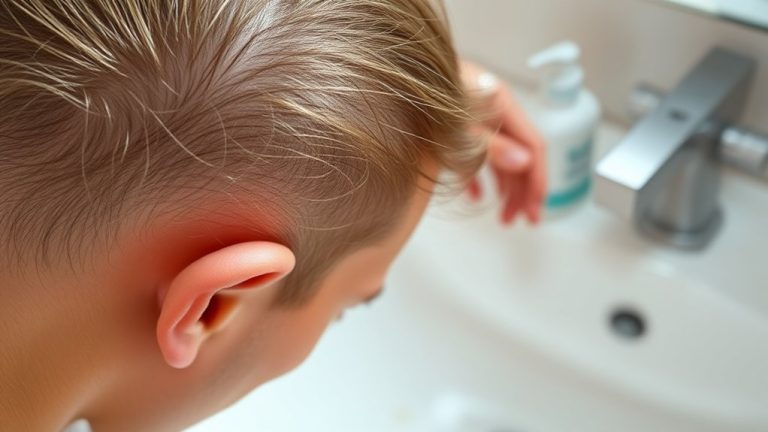
The strong surfactants in these formulas may strip moisture, leaving your scalp dry and irritated. Over time, product buildup from silicones and conditioning agents can weigh your hair down, making it look dull.
If you have brittle hair, 2-in-1 shampoos mightn’t provide enough nourishment, potentially worsening breakage. Some users also report greasy or stringy hair due to non-water-soluble ingredients that resist cleansing.
Key issues with 2-in-1 shampoos include:
- Product buildup causing dullness
- Strong surfactants leading to dryness
- Ineffective cleansing of silicones
- Unsuitability for brittle hair
- Need for clarifying shampoos to restore balance
How to Choose the Right 2-In-1 Shampoo for Your Hair
How do you select the right 2-in-1 shampoo that truly meets your hair’s needs? Start by evaluating hair type compatibility. These products often suit fine or oily hair better than dry or coily textures.
Next, consider your moisturizing needs. If your hair is dry or damaged, a 2-in-1 mightn’t provide sufficient conditioning.
Always scrutinize ingredient quality. Choose formulas with nourishing agents and avoid harsh chemicals like sulfates and parabens.
Opt for lightweight, water-soluble silicones to maintain moisture without buildup.
Finally, expect some trial and error to find the product that works best for you, as individual hair responses vary.
Tips to Prevent Buildup When Using 2-In-1 Products
To keep your hair looking fresh and healthy while using 2-in-1 shampoo and conditioner products, you need to actively prevent buildup from accumulating. Buildup can weigh hair down and dull its natural shine, so managing it is essential.
Prevent buildup when using 2-in-1 shampoo and conditioner to maintain fresh, healthy, and shiny hair.
Follow these tips to maintain clean, vibrant hair:
Limit 2-in-1 product use to twice a week to reduce buildup risk. Rinse thoroughly after washing to remove all residue. Choose 2-in-1 shampoos with lightweight formulas containing water-soluble silicones.
Keep an eye on your hair’s health regularly. If it feels heavy or looks dull, it might be time to adjust your routine.
Also, try using a clarifying shampoo occasionally to clear excess buildup effectively.
When to Use a Clarifying Shampoo Alongside 2-In-1s
Since 2-in-1 shampoos combine cleansing and conditioning, you might not realize when buildup starts to accumulate on your scalp and hair. Using a clarifying shampoo once every 1-2 weeks helps remove product buildup from silicones and residues in 2-in-1 shampoos.
This is especially important if you have oily scalps or fine hair, as buildup can weigh hair down and make it dull. Clarifying shampoos effectively remove excess oil and impurities that 2-in-1s might leave behind. Use the clarifying shampoo after your 2-in-1 product for the best results.
| Situation | Recommendation |
|---|---|
| Oily scalps | Use clarifying shampoo weekly |
| Fine hair | Clarify every 1-2 weeks |
| Dry or coily hair | Limit clarifying shampoo |
| Regular 2-in-1 use | Clarify biweekly |
Effective Alternatives to 2-In-1 Shampoo and Conditioner
Managing buildup with clarifying shampoos really shows why it’s important to tailor your hair care routine beyond just using 2-in-1 products.
To find effective alternatives to 2-in-1 shampoo and conditioner, think about options that separate cleansing and conditioning for better results.
You might want to try natural oils like coconut or shea butter to deeply nourish your hair without causing buildup.
Or, give co-washing a shot—it gently cleanses while keeping curly hair hydrated. Customized treatments like hair masks also provide targeted care for dryness or damage.
Here are five effective alternatives to explore:
- Use separate shampoo and conditioner tailored to your hair type
- Apply natural oils for deep conditioning
- Practice co-washing with cleansing conditioners
- Incorporate clarifying shampoos regularly to prevent buildup
- Use customized treatments such as hair masks or deep conditioners
These approaches give you precise control over your hair care.
Frequently Asked Questions
Can 2-In-1 Shampoos Affect Color-Treated Hair Differently?
Yes, 2-in-1 shampoos can affect your color-treated hair differently because of how they’re made. They often have stronger surfactants that might strip your color.
Plus, they contain silicones that can build up on your hair. This can make it harder to keep your color vibrant and maintain moisture.
Also, your hair porosity matters here. If your hair has high porosity, it may lose moisture more quickly.
That’s why using separate shampoo and conditioner might be better. They can help preserve your hair’s color and hydration more effectively.
It’s all about choosing what suits your hair’s specific needs.
How Do 2-In-1 Products Impact Scalp Health Over Time?
You’ll notice that 2-in-1 products can disrupt scalp moisture, reduce ingredient effectiveness, and impair hair follicle health if overused. They often struggle to maintain a proper cleansing balance, leaving residue that clogs follicles and traps oils.
Over time, this buildup can cause irritation, dryness, or excess oiliness.
To protect your scalp’s health, you should alternate with clarifying shampoos and monitor how your scalp responds to these combined formulas.
It’s all about finding what works best for you and keeping an eye on how your scalp feels after use. Taking these steps can help keep your scalp balanced and healthy over time.
Are 2-In-1 Shampoos Safe for Daily Use?
You shouldn’t use 2-in-1 shampoos daily without analyzing the ingredients first. Their strong surfactants can dry out your scalp and hair, especially if your hair type is dry or coily.
Daily usage may reduce product effectiveness and cause buildup. If you have oily hair, occasional use might be fine, but it’s best to alternate with separate shampoo and conditioner.
This way, you can maintain scalp health and guarantee the best results.
Do 2-In-1 Shampoos Work Well With Natural or Curly Hair?
2-in-1 shampoos often don’t work well with curly hair because they struggle with moisture retention and can cause product buildup.
You’ll find that many contain ingredients like silicones, which might weigh down curls and reduce ingredient effectiveness over time.
While some formulas try to hydrate, they usually can’t match a separate conditioner’s conditioning power.
If you want defined, healthy curls, you’ll likely need dedicated products designed for your hair type.
Can 2-In-1 Shampoos Replace Separate Products for Damaged Hair?
You shouldn’t rely on 2-in-1 shampoos to replace separate products for damaged hair. They often compromise moisture retention because their ingredient effectiveness is limited, especially for repair-focused needs.
User preferences for thorough conditioning and treatment usually demand standalone conditioners.
While 2-in-1s offer convenience, their product longevity in maintaining hair health is generally lower.
For best results, pair a gentle shampoo with a dedicated conditioner tailored to your damage type. It really makes a difference when you want to keep your hair healthy and strong.
Conclusion
You can save time, simplify your routine, and reduce product clutter by using a 2-in-1 shampoo and conditioner. It’s pretty convenient to combine two steps into one.
But, you should watch out for buildup and think about your hair type. Sometimes, your hair might need something more specialized.
It’s all about balancing convenience with care. Weigh the benefits against the drawbacks and choose wisely to keep your hair healthy and vibrant.
In the end, the right approach will keep your hair clean, conditioned, and ready for anything.