What Shampoo Will Pass A Hair Follicle Test – Facts And Myths
You can’t rely on any shampoo alone to guarantee passing a hair follicle test, as most only remove surface residues and don’t eliminate deeply embedded metabolites. Detox shampoos like Old Style Aloe Toxin Rid work best with multiple washes over several days, aided by ingredients like propylene glycol and EDTA.
Effectiveness depends on your hair type and drug history. Misleading claims promise too much, so proper preparation and timing are key.
Explore how to optimize your approach and avoid common pitfalls.
Can Detox Shampoos Help Pass a Hair Follicle Test?
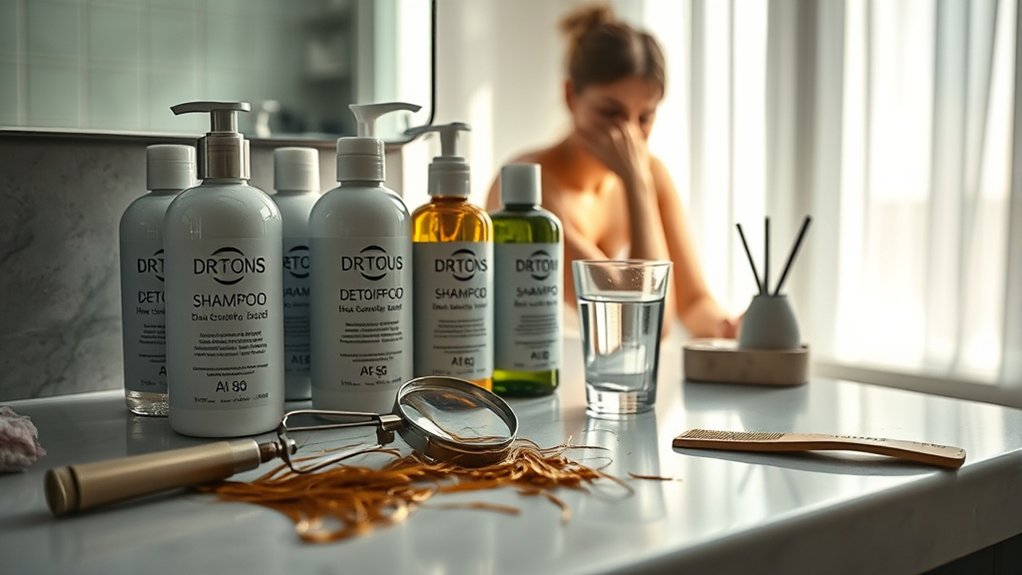
How effective are detox shampoos in helping you pass a hair follicle test? Detox shampoos aim to reduce drug metabolites embedded in the hair shaft, but they don’t erase heavy drug use overnight.
Detox shampoos can reduce drug metabolites but won’t eliminate heavy drug use instantly.
To get the best results, you’ll need multiple washes, usually around 10 to 15, spread out over several days.
Key ingredients like propylene glycol help penetrate the hair cuticle. Chelators bind residues to help clean the hair. Products such as Old Style Aloe Toxin Rid are recommended for heavy users and require a precise application technique to maximize results.
On test day, a same-day kit like Zydot Ultra Clean can help as a final step. But it shouldn’t replace a thorough detox routine.
Keep in mind, success isn’t guaranteed; your hair type, usage history, and how careful you’re about contamination all play a big role in the outcome of a hair follicle test.
How Do Hair Follicle Drug Tests Work?
Detox shampoos may reduce some drug residues on your hair’s surface, but understanding how hair follicle drug tests work shows why these tests stay super reliable. Hair follicle drug tests detect drug metabolites that get embedded in your hair from the bloodstream while it’s growing. This gives a picture of substance use over about 90 days.
The testing starts with an enzyme immunoassay screening, and then follows up with gas chromatography-mass spectrometry for confirmation. This two-step process makes sure the results are really accurate. Things like your metabolism or environmental exposure can affect test results a bit, but they hardly ever mess with reliability.
Here are some key points to keep in mind:
Samples are usually taken from 100 to 120 strands of hair, about 1.5 inches long. The test looks for drug metabolites inside the hair’s cortex. It uses the two-step testing method: first enzyme immunoassay, then GC-MS. External contaminants have limited impact, so they don’t usually cause false positives.
What Detox Shampoos Can and Can’t Do for Hair Follicle Tests
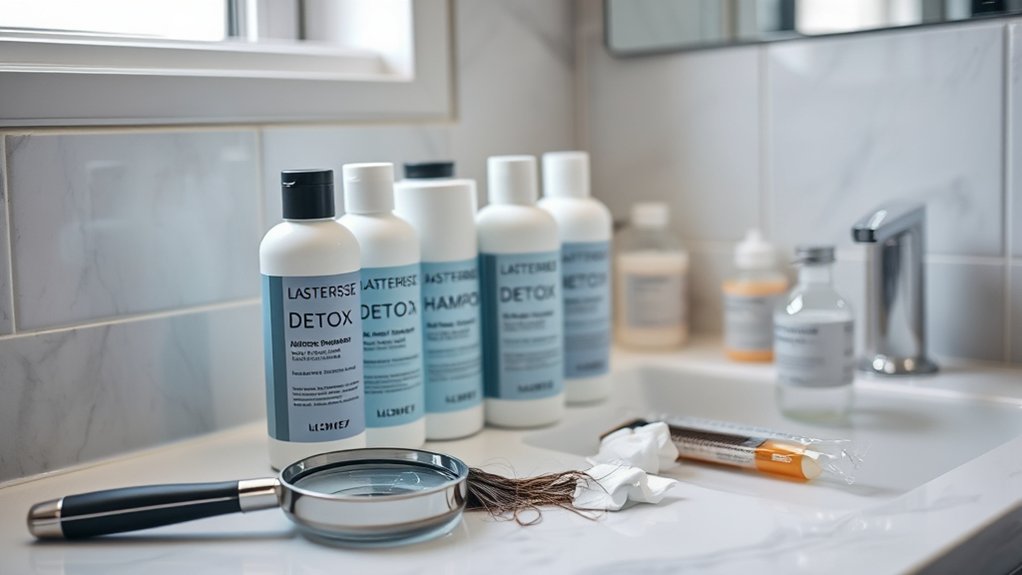
Although shampoo treatments can reduce some drug residues on your hair’s surface, they can’t fully eliminate the metabolites embedded deep within the hair cortex that hair follicle tests target.
Detox shampoos like Old Style Aloe Toxin Rid and Zydot Ultra Clean aim to cleanse by using ingredients that penetrate the hair cuticle, such as propylene glycol and chelators, to bind contaminants.
But their effectiveness really depends on your drug use history and hair type. Usually, multiple washes—around 10 to 15—are needed to reduce detectable metabolites.
Still, no shampoo can guarantee you’ll pass the test. People often overestimate what detox shampoos can do, thinking they erase long-term metabolite buildup completely.
While these shampoos can help clean the surface of your hair, the metabolites lodged deeper inside mostly stay put.
Key Ingredients in Effective Hair Follicle Detox Shampoos
Understanding what makes a hair follicle detox shampoo effective starts with looking at its key ingredients. Detox shampoos need to penetrate deeply into the hair cortex to remove embedded metabolites, not just surface residues.
Propylene glycol helps active ingredients get deeper into the hair. Chelating agents like EDTA bind heavy metals and toxins so they can be removed. Clarifying surfactants get rid of surface buildup, but they need to be combined with other agents for a thorough cleanse.
Aloe vera soothes the scalp during frequent washing and helps prevent irritation.
Key ingredients include:
- Propylene glycol for deep penetration
- Chelating agents (e.g., EDTA) to bind toxins
- Clarifying surfactants for surface buildup removal
- Aloe vera to calm the scalp
- Specialized formulas like Old Style Aloe Toxin Rid and Zydot Ultra Clean that target embedded metabolites
Together, these components make detox shampoos work better.
How Hair Type and Usage History Affect Detox Shampoo Results
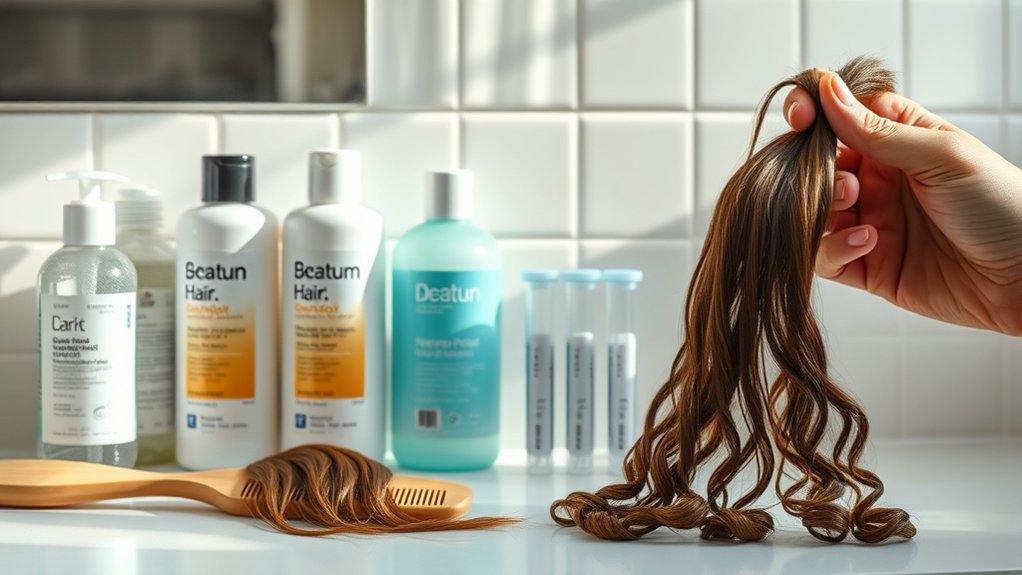
Your hair texture plays a big role in how detox shampoos work with your follicles. For example, if your hair is chemically treated or on the coarser side, you’ll want to go for gentler, pH-balanced formulas. These help avoid damage while still getting the job done.
Also, how often you use the shampoo matters. If you’re a light user, a mild clarifying wash might be all you need.
But if you use detox shampoos frequently, it’s usually better to apply them repeatedly over a few days.
Knowing these details can really help you customize your routine and get the best results when it comes to reducing metabolites before testing.
Hair Texture Impact
Since hair texture varies widely, it directly influences how detox shampoos perform during the cleansing process. Your hair’s structure, whether coarse, fine, or curly, determines metabolite absorption and shampoo efficacy.
Chemically processed hair demands gentler, pH-balanced detox shampoos to prevent damage. Coarse hair often requires more product and multiple washes, while fine hair allows quicker penetration.
Curly hair benefits from extended dwell times to guarantee thorough cleansing without compromising integrity. Your hair usage history further dictates the need for intensive cleansing.
Key considerations include:
- Coarse hair absorbs more metabolites, needing 10-15 washes
- Fine hair detoxifies faster but still requires a plan
- Curly hair demands longer dwell times
- Chemically processed hair requires gentle formulas
- Heavy usage calls for repeated, intensive cleansing
Usage Frequency Effects
Frequency of use directly influences how effectively detox shampoos remove drug metabolites from hair follicles. Your usage history determines the intensity and frequency of shampoo applications needed for peak effectiveness.
Light users may achieve sufficient cleansing with fewer washes, often through lighter clarifying treatments. On the other hand, heavy users usually require 10-15 frequent washing sessions over several days.
Detox shampoos formulated with penetration aids and chelators improve metabolite removal by enhancing follicle cleansing. Hair growth rate also matters; recent drug use mightn’t be detected if hair hasn’t grown enough to incorporate metabolites.
Consistent, frequent washing increases the odds of passing tests by reducing residual substances in hair. Understanding your hair type and usage history helps tailor detox protocols.
For example, coarse or chemically treated hair might need gentler shampoos and longer contact times for maximum detox efficiency.
Planning Multiple Washes for the Best Chance of Success
Although a single wash may seem sufficient, effectively reducing drug metabolites in your hair requires planning for multiple washes over several days. Detox shampoos need time to penetrate the hair shaft and cleanse embedded metabolites thoroughly.
For the best chance of passing a hair follicle drug test, you should start gradual cleansing at least a week before testing. Aim to perform 10-15 washes with a hair drug test shampoo. Each wash should last 10-15 minutes to maximize detoxification.
To enhance your cleansing regimen, keep in mind a few key points:
Begin detoxing well ahead of the detection window.
Use prolonged washes to target embedded metabolites.
Also, maintain a clean environment to avoid contamination.
It’s a good idea to incorporate a same-day product like Zydot Ultra Clean.
Following consistent multiple washes really helps with maximum effectiveness.
This structured approach greatly improves your likelihood of success.
Which Detox Shampoos Actually Work? A Product Comparison
What makes a detox shampoo truly effective for passing a hair follicle test? It’s the presence of penetration aids like propylene glycol and chelators such as EDTA that enable deep cleansing beyond surface residues.
Old Style Aloe Toxin Rid stands out for heavy users, requiring 10-15 thorough washes over several days to achieve an effective detox. It combines clarifying surfactants and soothing aloe vera to cleanse without damaging hair.
Zydot Ultra Clean is best used as a final step within 24 hours before testing, complementing prior detox efforts. Many budget detox shampoos offer superficial cleansing but fail for heavy exposure.
Avoid false claims promising instant results. Instead, rely on extensive detox plans incorporating proven products like Old Style Aloe Toxin Rid and Zydot Ultra Clean for reliable outcomes.
Common Mistakes That Ruin Detox Shampoo Efforts Before Testing
If you start your detox too late or rely on just one wash before the test, you greatly reduce your chances of success. Effective detox methods require multiple washes, typically 10-15 over several days, especially for moderate to heavy use.
Many people think a regular shampoo will help pass a hair follicle test, but those only clean the surface. They don’t have the active ingredients needed to reach the hair cortex.
To reduce the risk of failing a hair test, avoid these mistakes:
- Using detox shampoos without sticking to the recommended 10-15 minute dwell time
- Starting detox too close to test day
- Reusing contaminated towels or accessories
- Ignoring your individual hair type and any chemical treatments
- Relying on a single wash or using non-specialized shampoos
Why Detox Shampoo Claims Can Be Misleading
You should be cautious about detox shampoo marketing claims because a lot of them tend to exaggerate how well they can remove drug metabolites from your hair.
Most of these products only clean surface residues and don’t have the ingredients needed to deeply penetrate the hair shaft. So, they can’t really guarantee a negative drug test result.
It’s important to understand the biochemical limitations behind these products and to look closely at the scientific evidence before putting your trust in their claims.
Misleading Marketing Tactics
Although detox shampoos often promise to eliminate drug metabolites from hair, their marketing claims frequently overstate the products’ actual capabilities. You should be cautious, as many detox shampoos contain clarifying agents that clean surface buildup but fail to penetrate the hair shaft deeply enough to remove embedded drug residues.
Misleading claims often rely on flashy marketing tactics, including money-back guarantees, without scientific validation.
To understand these ineffective products, you need a thorough understanding of hair structure and metabolite location. Here are some key points to keep in mind:
- Detox shampoos rarely penetrate beyond the hair cuticle
- Clarifying agents mainly remove surface oils and debris
- Marketing tactics exaggerate product effectiveness
- Single or few washes are insufficient to remove metabolites
- Multiple washes (10-15) are typically required for any reduction in drug residues
Limitations Of Detox Shampoos
While detox shampoos often promise quick and complete removal of drug metabolites, their limitations reveal why such claims can be misleading. Detox shampoos primarily remove surface residues and struggle to eliminate drug metabolites embedded within the hair shaft. Their effectiveness depends on ingredients like propylene glycol and multiple cleansing cycles.
Usually, this means 10-15 washes over days, which contradicts claims of one-time use success. Also, individual hair types and usage history greatly influence outcomes. So, universal guarantees just aren’t reliable.
| Factor | Impact on Detox Shampoo Effectiveness |
|---|---|
| Drug Metabolites Depth | Embedded in hair shaft, hard to remove |
| Propylene Glycol | Enhances metabolite binding and removal |
| Cleansing Cycles | Multiple washes needed for meaningful reduction |
| Individual Hair Types | Affects penetration and metabolite removal |
| Usage History | Influences baseline metabolite concentration |
These variables highlight why unsubstantiated claims can’t assure passing a hair follicle test.
What to Do on Test Day to Avoid Avoidable Failures
Because hair follicle tests analyze substances trapped in the hair shaft, arriving with clean, dry hair free of leave-in products, oils, or dry shampoos is essential to prevent sample contamination.
Clean, dry hair without products is crucial to avoid contamination in hair follicle testing.
On test day, you need to present hair strands that show you’ve followed the recommended routine, especially if you’ve used detox shampoos. The sampling environment must be uncontaminated to guarantee accurate results.
Avoid tampering because it compromises test integrity and can have legal consequences.
Remember, the collector will take 100 to 120 strands from the crown near the scalp.
To avoid avoidable failures on test day:
- Use no leave-in products or oils
- Wash hair using the recommended shampoo routine
- Make sure your hair is completely dry before you arrive
- Present unprocessed, natural hair strands
- Don’t try to tamper with the sample
Frequently Asked Questions
How Long Do Drug Metabolites Stay in Hair After Drug Use?
Drug metabolites can stay in your hair for up to 90 days after drug usage, depending on drug metabolism and hair growth rates. Follicle analysis detects metabolites embedded in the hair structure, reflecting a testing window of about three months.
Your individual variability, hair types, and detox methods all influence drug elimination.
But no shampoo reliably removes metabolites deep within the follicle. So, even if you try to cleanse your hair, those metabolites can still stick around.
Understanding these factors helps you get why metabolites persist despite external cleaning attempts. It’s not just about washing—there’s more going on beneath the surface.
Can Hair Treatments Like Bleaching Affect Drug Test Results?
Bleaching effects and color treatments can alter your hair structure and scalp health but don’t guarantee passing a hair follicle test.
Chemical residues and detox shampoos might interact with your hair, yet follicle integrity remains intact, preserving drug metabolites.
Testing accuracy focuses on the internal hair shaft, so despite product interactions, embedded substances stick around.
Plus, hair growth rate plays a role in detection, making external treatments not enough for reliable detoxification or to dodge test results.
Are Hair Follicle Tests More Reliable Than Urine or Blood Tests?
Yes, hair follicle tests generally offer greater reliability compared to urine or blood tests because they’ve longer detection windows and use robust testing methods like ELISA and GC-MS.
You’ll find their accuracy is usually better for detecting various substances, which helps reduce false positives.
That said, individual factors like how fast your hair grows or any treatments you’ve done to your hair can affect the results. So, it’s not completely foolproof.
Even with some limitations, hair tests stand out since they can detect substances over a longer period and don’t need to be done as often.
This makes them more reliable overall when compared to urine or blood tests.
How Soon After Drug Use Can Hair Follicle Tests Detect Substances?
You might think hair follicle tests detect drug use instantly, but ironically, they need about a week to show anything. This is because of hair growth rates and how substances are metabolized in the body.
Since hair grows roughly 0.5 inches per month, testing methods focus on the closest 1.5 inches. This reflects drug use within a 7- to 90-day window.
Follicle analysis offers testing accuracy by accounting for hair cycles and detection limits.
That’s why timing is essential when interpreting drug detection results.
Can Professional Hair Salons Unknowingly Affect Hair Drug Test Outcomes?
Yes, professional hair salons can unknowingly affect hair drug test outcomes. When you get salon products, hair dye, or chemical treatments, these can alter hair structure and introduce contamination risks.
If your stylist lacks knowledge about product ingredients and testing protocols, residues may cause false positives or reduce testing accuracy.
Hair length also matters, as longer hair reflects longer detection windows.
Conclusion
Steering through the nuances of detox shampoos demands diligence and discernment. While some shampoos show selective success in stripping stubborn substances, no product guarantees complete cleansing due to hair’s complex composition and drug retention.
You’ll want to weigh scientific specifics, scrutinize shampoo ingredients, and sidestep common slip-ups to strengthen your strategy. Ultimately, savvy preparation on test day, combined with realistic expectations, serves as your strongest safeguard against surprising setbacks in a hair follicle test.