What Country Invented Shampoo – Historical Facts Explained
You can trace shampoo’s invention back to ancient India, where the practice began as herbal head massages using oils like reetha and amla, combined with cleansing agents such as soap nuts. The Hindi word “champu” directly inspired the term “shampoo.” This holistic approach influenced grooming worldwide, spreading to Britain through figures like Sake Dean Mahomed.
Over time, cultures adapted these practices, leading to commercial shampoos in the 20th century. Exploring further reveals how these developments shaped modern hair care. It’s pretty interesting to see how something as simple as a head massage turned into the hair care routines we use today.
The Origin and Meaning of the Word “Shampoo
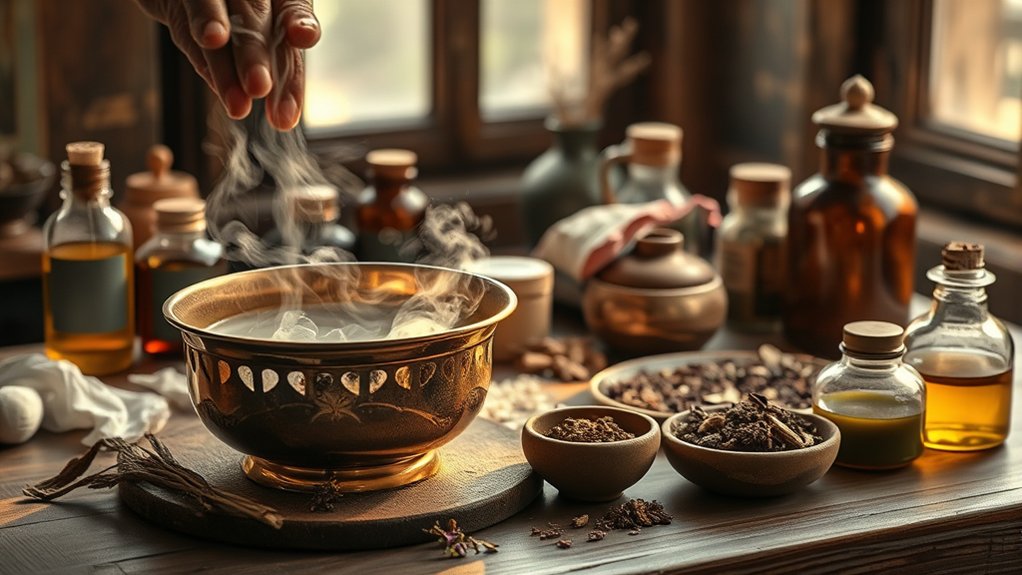
The word “shampoo” originates from the Hindi term “champu,” which means to massage or press. It specifically refers to traditional head massages using oils and herbs in ancient India. This meaning of pressing highlights the original practice tied to physical manipulation rather than just cleansing alone.
Evidence from the Indus Valley Civilization (3300-1300 BCE) shows that shampooing involved natural substances like soap nuts for hair cleansing. So, it was really a blend of massage with hygiene.
As the concept evolved, the term shampoo changed from describing a pressing technique to representing a product for hair cleansing. Understanding this etymology reveals how ancient Indian culture greatly influenced modern grooming practices.
You can appreciate that shampoo’s roots are deeply embedded in the Indus Valley’s innovative approach to hair care. It emphasized a combined therapeutic and cleansing purpose.
Ancient Indian Hair Care Practices and Early Shampooing
Although many associate shampoo with modern commercial products, ancient Indian hair care practices laid the foundation for early shampooing methods that combined cleansing and therapeutic benefits. Dating back to the Indus Valley civilization, these practices utilized natural ingredients like reetha, amla, hibiscus, and shikakai to create thick herbal pastes that cleansed and nourished hair.
The term “shampoo” itself derives from the Hindi word “champu,” referring to head massages with oils and herbs, illustrating the holistic approach to hair care.
In the 18th century, Sake Dean Mahomed introduced these traditional shampooing techniques to Britain, establishing the first shampooing bath in Brighton.
Over time, shampoo formulations evolved in India, especially during the 1900s, with products like Chik shampoo marking a shift toward more convenient, packaged hair care solutions.
It’s interesting to see how these ancient practices still influence hair care today.
How Mesopotamians and Egyptians Influenced Shampoo Use
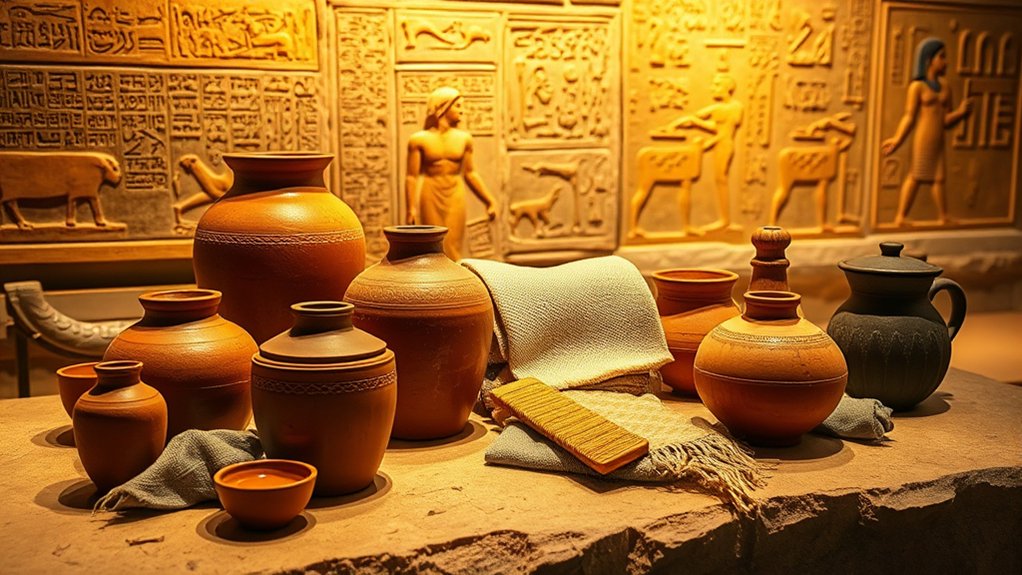
When you examine ancient hygiene practices, you’ll see that Mesopotamians and Egyptians played essential roles in shaping early hair cleansing methods. The Mesopotamians used medicated soaps and oils around 4000 B.C. Meanwhile, Egyptians, by 1500 B.C., employed plant-based natural ingredients like lotus and oils to cleanse hair.
These practices emphasized cleanliness and grooming. They influenced later cultures and evolved into more specialized hair products. This laid the groundwork for modern shampoo.
| Civilization | Time Period | Hair Cleansing Method | Key Ingredients | Influence on Later Cultures |
|---|---|---|---|---|
| Mesopotamians | 4000 B.C. | Medicated soaps and oils | Oils, soap-like agents | Greeks, Romans |
| Egyptians | 1500 B.C. | Plant-based cleansing | Lotus, oils | Greeks, Romans |
| Greeks | Later | Olive oil and herbs | Olive oil, herbs | Shampoo development |
| Romans | Later | Herbal treatments | Herbs, oils | Shampoo evolution |
| Both Combined | – | Emphasis on hygiene | Natural ingredients | Foundation of shampoo use |
Shampoo Traditions in Indonesia and the Philippines
If you explore hair care traditions in Indonesia and the Philippines, you’ll find a deep connection to natural ingredients and cultural rituals. Traditional hair care in these countries relies heavily on shampoos infused with natural oils and herbs to give hair nourishment and maintain scalp health.
Indonesia uses coconut oil and herbal mixtures rooted in ancient rituals, while the Philippines emphasizes plants like malunggay and hibiscus for promoting growth.
Indonesia blends coconut oil with herbs, while the Philippines highlights malunggay and hibiscus for hair growth.
These practices reflect indigenous knowledge combined with external influences. They really highlight sustainability and eco-friendly sourcing. It’s pretty cool how these traditions keep evolving while staying true to their roots.
Key elements include the use of local herbs and natural oils as primary cleansing agents. Hair cleansing rituals are often part of cultural ceremonies, too.
Plus, there’s a growing popularity of herbal shampoos that focus on natural, sustainable ingredients.
This resurgence shows a broader appreciation for natural beauty and cultural heritage. It’s like people are reconnecting with what’s authentic and good for them.
Colonialism and Shampoo’s Spread to Europe
You can actually trace shampoo’s journey to Europe right back to British colonialism. It was through this connection that Indian hair care practices made their way to the continent.
One important figure in this story is Sake Dean Mahomed. In 1759, he opened the first shampooing bath in Brighton, introducing authentic techniques to European audiences.
This cultural exchange really set the stage for the development and popularization of commercial shampoos in Europe.
Colonial Influence on Haircare
Although rooted in ancient Indian haircare traditions, shampoo’s journey into Europe was largely shaped by British colonial interactions in India. During the colonial era, the Hindi term “cā̃pō” entered the English language as “shampoo,” symbolizing the transfer of hair care practices between cultures. This exchange introduced Europeans to oil and herb massages as cleansing techniques, which contrasted with their traditional methods.
You can trace the impact of colonial influence through several key developments. First, the adoption of Indian shampooing rituals by the British elite happened through cultural exchanges.
Then, documentation of these practices in English helped their integration into European grooming. Finally, there was an evolution from traditional methods to commercial shampoo products by the early 20th century.
Understanding this context really highlights how colonialism facilitated shampoo’s spread and transformation in Europe. It’s interesting to see how a simple word and practice traveled and changed across continents.
Dean Mahomed’s European Role
When you look at how shampoo spread into Europe, Sake Dean Mahomed really stands out as a key figure. He actively connected Indian haircare traditions with British society.
In 1814, Dean Mahomed opened Mahomed’s Baths in Brighton, where he introduced Indian-style hair and body massages that changed the way Europeans thought about grooming.
He also wrote a book called *Shampooing Or The Benefits Resulting From The Use Of Indian Medicated Vapor Bath*. This book explained the health benefits of these treatments and helped popularize the word “shampoo” in British culture.
Mahomed’s approach blended Indian medicated treatments with European spa customs. This created a cultural exchange that turned shampooing from a simple Indian practice into a trendy European ritual.
Because of him, shampoo became more than just about hygiene—it became an essential part of personal grooming during colonial times in Europe.
How Early Europeans Made Shampoo and Hair Cleaners
Since early Europeans lacked access to modern synthetic detergents, they created shampoo by boiling shaved soap with various herbs to produce a basic cleansing solution for hair care. This rudimentary method laid the groundwork for liquid shampoos and demonstrated an early understanding of cleansing agents.
You can appreciate how early Europeans combined natural ingredients and simple chemistry to maintain scalp hygiene. Their approach involved using boiled shaved soap mixed with herbs to remove dirt and oils, incorporating local botanicals for added nourishment and fragrance.
They also adapted traditional cleansing methods influenced by Indian “champing” practices. This early shampooing technique was functional but limited in effectiveness compared to later liquid shampoos.
It reflects a critical evolutionary step in hair care, bridging natural remedies and the eventual development of specialized cleansing products.
The Birth of Commercial Shampoo in the Early 20th Century
As the demand for more effective hair care solutions grew, inventors and entrepreneurs transformed shampoo from a homemade concoction into a commercial product. The first commercial shampoo, Canthrox Shampoo, invented by Kasey Hebert in 1914, marked a pivotal moment in hair care history.
Before this, Josef Wilhelm Rausch developed the first liquid shampoo in 1900, introducing a more convenient form that paved the way for future products.
Hans Schwarzkopf further advanced the market by launching a leading liquid shampoo in 1927, establishing his brand’s prominence in the hairdressing industry.
These developments signaled a shift from rudimentary formulas to specialized commercial products, reflecting growing consumer demand and industrial capability. You can see how these early innovations laid the groundwork for the shampoo products you use today.
Major Innovations That Shaped Modern Shampoo Formulations
You’ll find that the development of synthetic surfactants in the 1930s really transformed shampoo. They made cleansing more efficient and much gentler on the hair.
Then, advances in conditioning ingredients—especially with silicones and polymers—allowed shampoos to do more than just clean. Now, they could also help repair hair and boost shine.
Knowing about these innovations helps you see how modern shampoos balance being effective with keeping your hair healthy.
Synthetic Surfactant Development
When synthetic surfactants emerged in the 1930s, they transformed shampoo formulations by enabling effective cleansing without the harshness of traditional soap-based products. You can trace this shift to the launch of Drene in 1930, the first shampoo utilizing synthetic surfactants, which marked a milestone in hair care.
Hans Schwarzkopf’s earlier work on liquid shampoo set the stage for mass production, making these innovations widely accessible.
Furthermore, the development of pH-balanced formulations helped reduce irritation, protecting hair health more effectively than alkaline soaps.
Synthetic surfactants improved cleansing efficiency while minimizing scalp irritation.
Drene’s introduction initiated a new era in commercial shampoo production.
And pH-balanced formulations enhanced hair care by preventing damage linked to alkaline products.
Conditioning Ingredient Advances
Although cleansing efficiency defined early shampoo innovations, conditioning ingredients have played an equally important role in shaping modern formulations. Conditioning ingredient advances like silicone, introduced in the 1980s, transformed commercial shampoos by enhancing smoothness and moisture retention.
Earlier, the 1960s brought polymer suspensions, targeting hair repair and texture improvement. Essential oils have also gained traction, offering natural conditioning benefits aligned with recent sulfate-free trends.
| Ingredient Type | Key Benefit |
|---|---|
| Silicone | Moisture retention, smoothness |
| Polymers | Targeted hair repair |
| Essential Oils | Natural conditioning |
Unique Shampoo Types Developed by Different Cultures
Because hair care needs vary across regions, different cultures have developed unique shampoo types using locally available ingredients and traditional knowledge.
In India, shampoo manufacturers originally utilized natural cleansers like reetha and shikakai, emphasizing gentle, plant-based formulations. Olive oil played a pivotal role in Middle Eastern Aleppo soap, influencing European hair care practices centuries later.
Modern shampoo, evolving in the 20th century, incorporates specialized ingredients like fungicides, tailoring products to specific scalp and hair conditions.
India’s early shampoos relied on herbal pastes, reflecting a holistic approach to hair health. Middle Eastern shampoos featured olive oil, contributing moisturizing and antimicrobial properties.
Modern shampoo manufacturers innovate with targeted formulas, addressing dandruff, color protection, and scalp sensitivity.
This diversity really shows how cultural context shapes shampoo development and functionality.
Why India Is Considered the Birthplace of Shampoo
Tracing the origins of shampoo leads directly to India, where ancient practices laid the foundation for modern hair cleansing. You’ll find that the earliest shampoo methods trace back to the Indus Valley Civilization, using soap nuts for hair care. The term “shampoo” itself comes from the Hindi word “champu,” meaning to massage, highlighting India’s deep-rooted hair care traditions.
Ancient Indian formulations combined natural ingredients like reetha, amla, and hibiscus to create thick pastes designed for effective cleansing. These early techniques really set the stage for what we now think of as shampoo.
It’s pretty interesting how these traditions have influenced grooming worldwide. You can see how these early techniques influenced global grooming, especially after Sake Dean Mahomed introduced shampooing to Britain in the 18th century.
India’s contribution isn’t just historical but foundational, as its ancient hair care practices continue shaping modern shampoo formulations worldwide. It’s amazing how something so old still plays a big role in our daily routines today.
Frequently Asked Questions
How Often Should Shampoo Be Used for Healthy Hair?
You should follow frequency guidelines based on your hair health and scalp condition.
If you have oily hair or sweat often, shampooing daily helps prevent product buildup and keeps your scalp clean.
For dry or curly hair, washing once or twice a week preserves moisture and avoids irritation.
Monitor your scalp. If it feels itchy or greasy, adjust accordingly.
Balancing shampoo use maintains a healthy scalp and prevents over-cleansing or buildup.
Just pay attention to what your hair needs and go from there.
Can Shampoo Cause Allergic Reactions or Scalp Irritation?
Yes, shampoo can cause allergic reactions or scalp irritation, especially if it contains ingredients like fragrances or preservatives that can trigger allergies.
If you have a sensitive scalp, some shampoos with harsh surfactants might cause redness, itching, or flaking.
It’s really important to pay attention to the labels and pick products that match your scalp type.
When in doubt, talking to a dermatologist can be a big help. They can do patch testing to find out what exactly you’re allergic to, so you can avoid those irritants and keep your scalp healthy.
What Are the Environmental Impacts of Shampoo Ingredients?
Imagine a clear river clouded by invisible toxins. This kind of sums up shampoo’s environmental impact. You’ll often find palm oil in the ingredient sourcing, and that’s linked to deforestation.
Surfactants cause water pollution, which harms aquatic life. On top of that, synthetic additives bring microplastics into the mix, making things worse.
To cut down on harm, you might want to choose biodegradable options like solid shampoo bars. They reduce packaging waste and break down naturally.
That way, you protect ecosystems while keeping your routine eco-conscious and sustainable.
How Do Shampoos Differ for Various Hair Types?
Shampoos differ due to shampoo formulation variations tailored to hair texture needs and scalp health considerations.
For example, oily scalps require clarifying agents, while dry hair benefits from moisturizing ingredients. You’ll notice ingredient effectiveness comparison highlights that sulfates clean well but can dry sensitive scalps, whereas gentle surfactants suit delicate skin.
By understanding these differences, you can select shampoos that optimize both hair texture and scalp condition effectively.
It’s all about matching the right ingredients to what your hair and scalp really need. This way, you get the best care without any unwanted side effects.
Are There Natural Alternatives to Commercial Shampoos?
You’ll find natural ingredients like baking soda and apple cider vinegar offer gentle cleansing and balance.
Coincidentally, herbal remedies such as reetha and shikakai have supported scalp health for centuries.
Many turn to DIY recipes blending aloe vera or coconut milk, nourishing hair while avoiding harsh chemicals.
These alternatives provide effective cleansing, promote scalp health, and reduce reliance on commercial shampoos.
This makes your hair care routine more sustainable and personalized.
It’s a great way to care for your hair without all the added stuff in typical shampoos.
Conclusion
Now that you’ve traced shampoo’s rich history, you see it’s no accident India is called its birthplace. From ancient herbal concoctions to modern formulas, every culture added its brushstroke to this evolving canvas.
The journey shows how innovation often follows a winding path. It proves that shampoo’s story is more than just bubbles and scent. It’s a blend of science, tradition, and global exchange. Truly the whole nine yards in hair care evolution.