Is Hartz Shampoo Good For Dogs – Pet Shampoo Safety Review
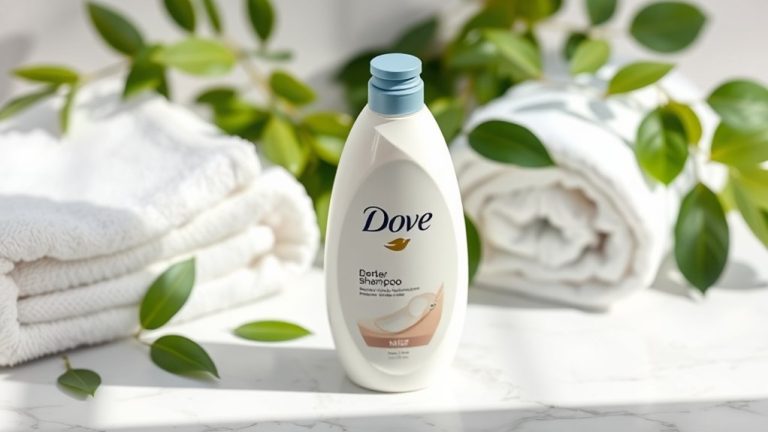
You shouldn’t use Hartz Shampoo on your dog without understanding its risks and safety concerns. While it kills fleas and ticks effectively with phenothrin, this ingredient can cause skin irritation and toxicity, especially if misused. Many vets advise caution, and pet owners report mixed results and adverse reactions.
Proper application is essential, but safer alternatives exist. Keep an eye on your dog’s response to avoid issues. Explore more details to make the best choice for your pet’s health.
What Is Hartz Shampoo and How Does It Work?
Hartz shampoo is one of several pet grooming products designed to control fleas and ticks while keeping your dog smelling fresh. When you’ve got ticks or need to remove fleas, Hartz Flea Shampoo offers effective flea and tick control with long-lasting effects.
Using years of experience, Hartz developed this flea and tick shampoo to kill pests on contact, making it a reliable option if your dog had fleas last night or a week ago.
The Hartz Ultra Guard formula helps maintain flea control between treatments, ensuring your dog stays protected.
Compared to other flea shampoos, Hartz balances pest elimination with coat conditioning, making it suitable for regular use.
If you want efficient flea control without hassle, Hartz flea shampoo is a practical choice.
What Ingredients Are in Hartz Flea Shampoo?
You’ll find that Hartz flea shampoo contains phenothrin, which is a synthetic insecticide making up about 0.27% of the formula. This ingredient is the main one that helps fight off fleas and ticks.
But it’s important to keep in mind that phenothrin, along with some other unnamed ingredients, can pose safety risks. This is especially true if the shampoo is absorbed through your pet’s skin or accidentally ingested.
Knowing what’s in the shampoo can help you decide if the benefits outweigh any potential hazards for your furry friend.
Active Ingredients Overview
A key active ingredient in flea and tick shampoos from this brand is phenothrin, a synthetic pyrethroid insecticide present at about 0.27%. This compound effectively targets fleas and ticks on dogs, setting it apart from natural pyrethrins. The rest of the shampoo, making up 99.73%, consists of other ingredients that support the formulation but aren’t specified.
Understanding phenothrin’s role is really important because its potency means you need to dose and apply it carefully to keep your dog safe and get the best results.
| Ingredient | Purpose |
|---|---|
| Phenothrin (0.27%) | Kills fleas and ticks |
| Base formulation | Supports active ingredient |
| Surfactants | Clean fur and skin |
| Fragrance | Provides scent |
Always follow the instructions to get the most benefit while keeping risks to a minimum.
Potential Ingredient Risks
Although phenothrin at 0.27% effectively targets fleas and ticks, its toxicity risk goes up if your dog ingests it or absorbs too much through their skin. You should know that Hartz flea shampoos list phenothrin as the active ingredient but don’t specify 99.73% of what’s actually in the formula.
This lack of transparency raises some serious concerns because unknown chemicals might cause adverse reactions. Plus, some Hartz products contain pyrethrins, which are natural insecticides. These can trigger allergies or skin irritation in dogs that are sensitive.
There have even been reports of toxicity symptoms and allergic reactions linked to these ingredients. So, when you’re picking a flea shampoo, it’s really important to understand the potential risks. Especially with products that keep most of their chemical components hidden behind vague labeling.
Is Hartz Shampoo Safe for Dogs? What Vets Say
When considering Hartz shampoos for your dog, veterinarians urge caution due to reported adverse reactions and potential toxicity linked to their active ingredient, phenothrin. Although phenothrin is generally safe in small doses, overuse or excessive absorption through the skin can cause side effects. This raises concerns about the product’s safety.
Vets recommend thoroughly rinsing your dog after using Hartz shampoos and closely monitoring for symptoms like vomiting or lethargy.
Official veterinary guidance acknowledges that some Hartz products may be safe when used exactly as directed. However, ongoing lawsuits and adverse reports have prompted many professionals to advise against routine use.
To guarantee your dog’s well-being, consult your veterinarian before applying Hartz shampoos, especially if your dog is small or has sensitive skin. It’s always best to prioritize safe and effective care.
Common Side Effects of Hartz Flea Shampoo
You might notice some skin irritation, redness, or peeling after using Hartz flea shampoo, especially if your dog has sensitive skin. It’s pretty common to see these mild reactions.
But, on the other hand, some dogs have shown signs of toxicity, like vomiting and shaking, which definitely need immediate attention.
Also, keep an eye out for allergic reactions. If your pet is licking or scratching excessively, it could mean they’re not tolerating the product well.
Skin Irritation Symptoms
If your dog shows signs of redness, itching, or inflammation after using Hartz flea shampoo, these are common indicators of skin irritation. Skin reactions can also include peeling, flaking, or persistent scratching, signaling discomfort.
Sometimes, allergic responses like hives or swelling may develop, and those definitely need prompt attention.
While mild irritation is pretty common, more severe skin reactions can lead to chemical burns or open sores, especially if your dog is extra sensitive.
It’s super important to keep an eye on your dog after applying the shampoo and stop using it if things get worse.
Catching these skin irritation symptoms early helps prevent further damage and makes sure you can get veterinary advice when your pet needs it.
Toxicity and Vomiting
How quickly can Hartz flea shampoo affect your dog’s health? Vomiting, a common toxicity symptom, often appears within hours of application. This can happen if your dog ingests or absorbs harmful chemicals like phenothrin through the skin.
Alongside vomiting, you might notice soft stools, shaking, or lethargy. These are signs of gastrointestinal upset linked to toxicity. If you see any of these symptoms, it’s important to act fast.
To help reduce chemical absorption and ease these symptoms, immediately bathe your dog with dish soap if you suspect any adverse effects.
If the vomiting continues or gets worse, don’t wait—seek veterinary care right away. This will help prevent dehydration and make sure your dog gets the right treatment.
Catching toxicity symptoms early is key to protecting your dog’s health. It also lets you take quick action to reduce any potential harm from exposure to Hartz flea shampoo.
Allergic Reactions Risk
While Hartz flea shampoos effectively target pests, they also carry a risk of causing allergic reactions in some dogs. The active ingredient phenothrin can trigger allergic skin reactions, especially in sensitive dogs. You might notice symptoms like itching, redness, swelling, or skin peeling shortly after use or days later.
Ignoring these allergic risks can lead to severe complications such as hair loss, infections, or systemic issues. So, always watch your dog closely after bathing. If you see any adverse signs, don’t hesitate to consult a veterinarian.
| Symptom | Description |
|---|---|
| Itching | Persistent scratching or licking |
| Redness | Inflamed, irritated skin |
| Swelling | Puffiness around treated areas |
| Skin peeling | Flaking or loss of skin layers |
Stay vigilant to protect your dog’s health.
What Do Dog Owners Say About Hartz Shampoo?
Although many dog owners appreciate the clean scent and softness Hartz shampoo provides immediately after use, you should be aware that experiences vary widely. Owner feedback reveals a mix of satisfaction and concern.
While some praise its grooming benefits, others report that fleas often return within days, questioning its lasting effectiveness.
More troubling are accounts of skin irritation, hair loss, and possible toxicity symptoms after use. These adverse reactions contribute to hesitation among users, with many unwilling to recommend Hartz products.
Furthermore, ongoing lawsuits have heightened safety worries.
How Should You Use Hartz Flea Shampoo Safely?
Given the mixed feedback and potential risks associated with Hartz flea shampoo, using the product correctly becomes even more important to protect your dog’s health.
First, follow all manufacturer instructions carefully, especially regarding application time and method.
Wet your dog thoroughly, starting with the neck to prevent fleas from escaping to the face.
Apply the shampoo evenly and leave it on for the recommended 10-15 minutes. This duration is essential for effectiveness.
Rinse multiple times to remove all chemical residues, minimizing the risk of ingestion or skin absorption.
Monitor your dog closely after the bath for any adverse reactions like vomiting, shaking, or irritation.
These usage precautions help reduce potential side effects and guarantee safer flea control with Hartz flea shampoo.
If symptoms persist, consult your veterinarian promptly.
What Are the Best Alternatives to Hartz Flea Shampoo?
How can you effectively protect your dog from fleas without using Hartz flea shampoo? You have several reliable options that prioritize safety and effectiveness. Consider these alternatives:
Herbal alternatives like shampoos with aloe vera or oatmeal are gentler on your dog’s skin. Natural remedies such as diatomaceous earth or essential oil-based sprays can repel fleas without harsh chemicals.
Herbal shampoos with aloe vera or oatmeal and natural remedies like diatomaceous earth gently repel fleas without harsh chemicals.
You might also explore veterinary-recommended topical treatments like Frontline or Advantage for longer-lasting protection.
Oral flea medications, including Capstar or Bravecto, offer convenient and effective flea control.
Don’t forget environmental control methods, like regularly cleaning carpets and using flea-proof bedding to prevent infestations. Exploring these options helps you protect your dog safely while avoiding potential risks associated with chemical shampoos like Hartz.
What to Do If Your Dog Has a Reaction to Hartz Shampoo?
If your dog reacts to Hartz shampoo with symptoms like vomiting, shaking, or skin irritation, you should immediately rinse the affected area thoroughly with water to remove any remaining product.
For effective reaction management, follow up with a dilute dish soap bath, such as Dawn, to help reduce chemical absorption and soothe your dog’s skin.
Keep a close eye on your dog for any worsening symptoms. You might consider giving supportive medications like Pepto Bismol or Pepcid AC, but only if your vet says it’s okay.
Don’t hesitate to contact your veterinarian if symptoms persist or get worse after your initial treatment.
Also, make sure to keep detailed records of the product you used, the symptoms you noticed, and everything you did. This info is really helpful for your vet to make the best decisions about your dog’s ongoing care and safety.
Frequently Asked Questions
Can Hartz Shampoo Be Used on Puppies Under 12 Weeks?
You shouldn’t use Hartz Shampoo on puppies under 12 weeks because of puppy safety concerns. The active ingredients can irritate their sensitive skin. They might also harm their developing immune systems.
Instead, pick shampoos that are made specifically for young puppies. This way, you ensure gentle care that’s right for their delicate needs.
Always check with your vet before using any flea or medicated shampoo on puppies this young.
That helps protect their health and makes grooming safer for them. It’s better to be cautious with little pups!
How Often Can I Bathe My Dog With Hartz Shampoo?
You should limit your dog’s bath frequency with Hartz shampoo to every 1 to 2 weeks, depending on their skin condition.
If your dog has sensitive skin or allergies, extend the bath frequency to every 3 to 4 weeks to avoid irritation.
Overbathing can strip natural oils and cause dryness.
Always follow the product’s instructions and consult your vet to guarantee the best care for your dog’s skin health.
Does Hartz Shampoo Work on Other Pets Like Cats?
Think of Hartz shampoo as a tailored suit. It fits dogs perfectly, but cats can find it itchy and uncomfortable. When it comes to pet compatibility, Hartz shampoo isn’t safe for other pets like cats.
Their sensitive skin reacts poorly, and toxic ingredients can cause serious harm. You should never use it on cats.
Always consult your vet for species-appropriate shampoos to keep all your furry friends safe and healthy.
Can Hartz Shampoo Be Used Alongside Other Flea Treatments?
Yes, you can use Hartz shampoo alongside other flea treatments, but flea compatibility is essential. You should wait 24-48 hours between applications to avoid chemical interactions and potential skin irritation.
Always check that active ingredients don’t overlap excessively to prevent toxicity.
Follow all product instructions carefully and consult your veterinarian to guarantee safe, effective flea control when combining treatments for your dog.
It’s always better to be safe than sorry when mixing products. Your vet can guide you on the best approach for your furry friend.
Is Hartz Shampoo Effective Against Ticks in All Life Stages?
You might expect total tick efficacy from Hartz shampoo, but it doesn’t cover all bases. While it kills adult ticks on contact, it falls short against eggs and larvae.
This means it can’t fully protect your dog throughout the tick’s life cycle.
To guarantee thorough control, you’ll need to combine it with other treatments or environmental measures. Don’t rely solely on Hartz shampoo for complete tick defense.
It’s better to be safe and use a few different strategies to keep your dog tick-free.
Conclusion
Choosing the right shampoo for your dog is like picking the perfect tool for a delicate job. Hartz shampoo may work, but it carries risks you shouldn’t ignore.
While vets often caution against its harsh ingredients, many owners have mixed experiences with it. To keep your furry friend safe and comfortable, consider gentler alternatives.
Make sure to follow usage instructions carefully. Remember, your dog’s skin is like a garden—handle it with care to help it thrive without harm.