
How To Use Clarifying Shampoo – Proper Usage Guide
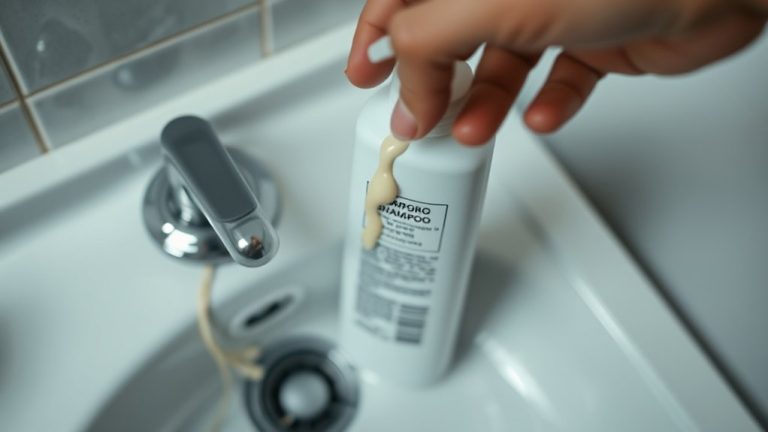
To use clarifying shampoo properly, start by wetting your hair with lukewarm water. Then, apply a dime- to quarter-sized amount, focusing on your scalp and roots. Massage gently in circular motions to lift buildup.
Let it sit for one minute before rinsing thoroughly. You’ll want to use clarifying shampoo once or twice a month to avoid over-drying your hair. Always follow with a hydrating conditioner to restore moisture.
Feel free to adjust the frequency based on your hair type and how often you use other products. A little extra guidance can really help improve your hair care routine.
What Is Clarifying Shampoo? Definition and Benefits
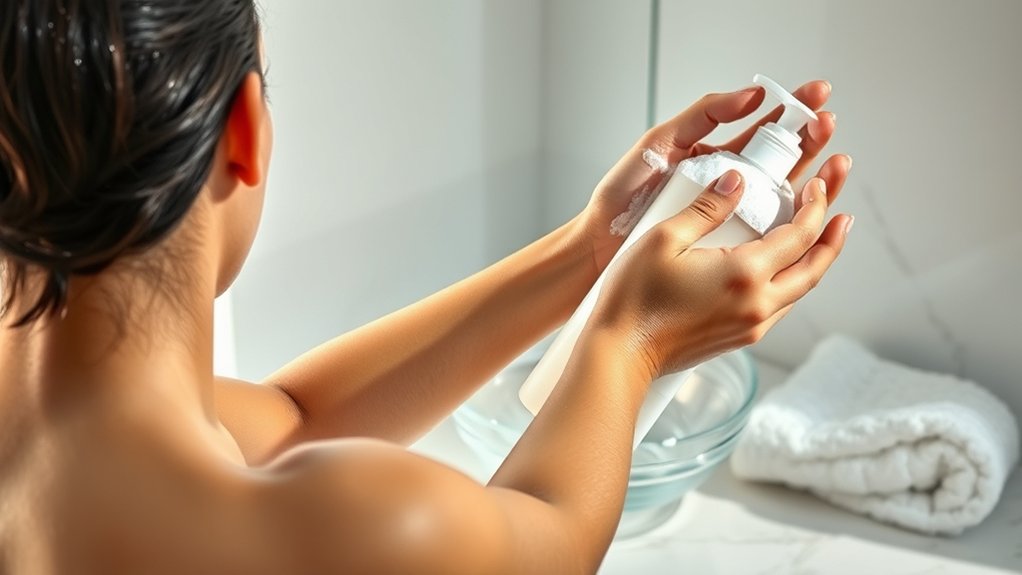
Clarifying shampoo is a specialized deep-cleansing product formulated to eliminate buildup from styling agents, natural oils, and environmental pollutants that standard shampoos often miss.
When you use clarifying shampoo, it works to remove buildup that dulls your hair and blocks moisture absorption. This reset allows your hair to better absorb conditioning treatments, helping restore shine and volume effectively.
Regular use, typically once or twice a month, prevents residue accumulation without stripping essential oils or causing dryness. Clarifying shampoos are especially beneficial if you use styling products frequently or swim in chlorinated water.
Some formulations are color-safe, so you can maintain vibrancy while enjoying deep-cleansing benefits.
Signs You Need Clarifying Shampoo
If your hair feels greasy or heavy even after washing it regularly, that usually means there’s too much product buildup. Clarifying shampoo can help get rid of that.
Also, if you’ve been swimming in a pool with chlorine or using hard water, mineral deposits might be making your hair feel weighed down and looking dull.
Noticing these signs is a good way to know when it’s time for a clarifying treatment to bring your hair back to a healthy, balanced state.
Excess Product Buildup
When your hair feels greasy or weighed down despite regular washing, it often means there’s excess product buildup that regular shampoos just can’t fully remove. This buildup is made up of product residue, extra oil, and environmental pollutants that standard cleansers leave behind.
You might notice a flaky or itchy scalp because the residue messes with your scalp’s natural balance. Your hair could lose shine and volume since the buildup coats the hair shaft, stopping light from reflecting and hair from lifting properly.
Sometimes, your usual shampoo just doesn’t seem to work anymore — that’s a sign there’s persistent buildup that needs a stronger cleanser.
Clarifying shampoo is designed to zap away that stubborn buildup and bring back your hair’s natural texture and glow. Using it every so often helps break down residue and excess oil, making sure your hair and scalp stay clean and healthy.
Greasy Or Heavy Hair
Although regular washing removes surface dirt, greasy or heavy hair often signals a buildup of styling products, natural oils, and environmental pollutants that standard shampoos can’t fully eliminate.
This buildup weighs hair down, causing limpness and reduced volume, which can mask healthy hair texture.
If your scalp feels itchy or flaky, it further indicates accumulated residues impairing scalp health.
Clarifying shampoo effectively penetrates and dissolves these layers of buildup, restoring hair’s natural lightness and improving scalp condition.
For those frequently using dry shampoo or heavy styling products, incorporating clarifying shampoo once or twice monthly prevents persistent greasy or heavy hair issues.
Using clarifying shampoo strategically maintains scalp cleanliness and hair health, ensuring peak hair function and appearance.
Chlorine Or Hard Water
Exposure to chlorine and hard water minerals often leaves your hair feeling dull, heavy, and lifeless despite regular washing. This buildup can prevent moisture and nutrients from penetrating, which leads to dryness and damage.
You should consider using clarifying shampoo if you notice:
- Green or brassy tones after swimming, which means chlorine residue.
- Increased frizz, tangling, or stiffness caused by hard water minerals depositing on your hair strands.
- A lack of shine and softness because buildup weighs down your hair and blocks product absorption.
Clarifying shampoo works well to remove this buildup, helping to restore shine and keep your color vibrant.
Using it regularly can prevent more damage from mineral deposits and chlorine, so your hair stays healthy and easy to manage.
How Often Should You Use Clarifying Shampoo?
If you have oily hair or regularly apply heavy styling products, weekly clarifications might be necessary to prevent residue accumulation. Swimmers should also increase frequency to eliminate chlorine deposits. Just be cautious not to overuse clarifying shampoo, as excessive use can dry out your scalp and hair by removing natural oils.
It’s a good idea to assess your scalp sensitivity and product buildup levels regularly to tailor the frequency. This way, you’ll maintain cleanliness while preserving your hair’s natural moisture and health.
How to Use Clarifying Shampoo Step-by-Step
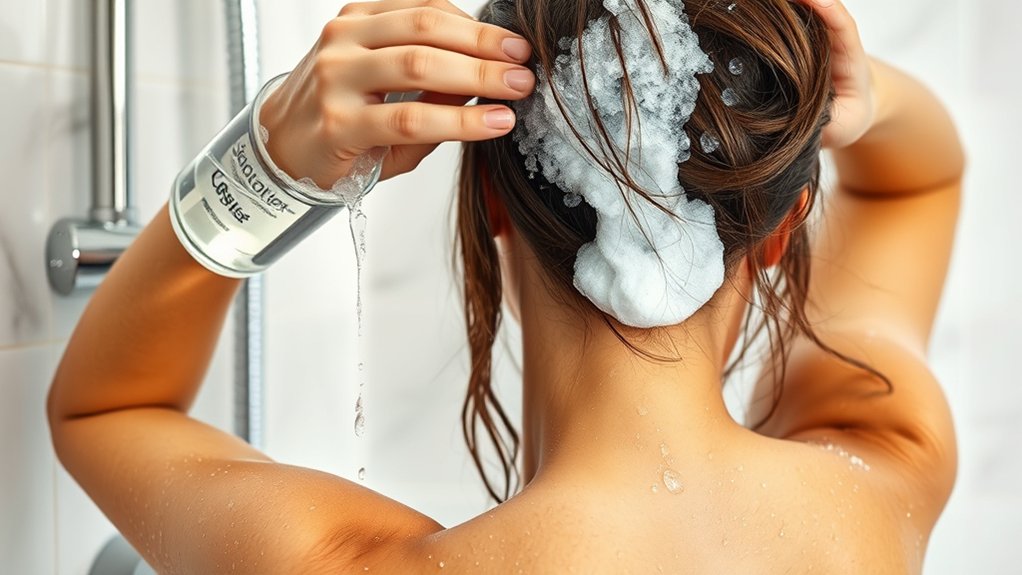
To effectively use clarifying shampoo, follow a precise sequence of steps that optimize cleansing while protecting your hair’s natural balance. Understanding how to use clarifying shampoo correctly guarantees maximum buildup removal without damaging your strands.
First, wet your hair thoroughly with lukewarm water to loosen oils and debris. Then apply a dime-to-quarter sized amount of clarifying shampoo, focusing on the scalp and roots. Massage gently in circular motions to lift impurities.
Begin by soaking hair with lukewarm water, then gently massage clarifying shampoo into scalp and roots.
Next, let the shampoo sit for one minute to enhance its cleansing action. After that, rinse thoroughly with warm water to remove all residue.
Finally, finish by applying a hydrating conditioner to restore moisture and maintain hair health. This method guarantees effective cleansing while preserving your hair’s natural hydration and integrity.
Common Clarifying Shampoo Mistakes to Avoid
You don’t want to overuse clarifying shampoo because it can strip your scalp of essential oils, leading to dryness or even breakage.
It’s best to focus the shampoo mainly on your scalp since that’s where buildup tends to gather, rather than just applying it to the lengths of your hair.
And don’t forget—always follow up with a hydrating conditioner to bring back moisture and keep your hair from becoming brittle.
Overuse Risks
Although clarifying shampoos effectively remove buildup, overusing them can strip your scalp of essential oils. This can cause dryness and irritation.
To avoid these risks, consider the following: Overusing clarifying shampoo more than once or twice a month can excessively strip essential oils. This leads to dryness and potential irritation.
Also, neglecting to apply a hydrating conditioner after clarifying shampoo leaves your hair vulnerable to brittleness and breakage because of moisture loss.
Frequent use, especially on sensitive scalps, increases the chances of scalp inflammation and can compromise hair integrity.
Incorrect Application Areas
Three critical mistakes involving application areas can reduce the effectiveness of clarifying shampoo and even harm your hair.
First, neglecting the scalp is a common error. Buildup primarily accumulates there, so focusing only on hair lengths results in incomplete cleansing.
Second, applying excessive amounts of clarifying shampoo can cause dryness and damage. Use only a dime-to-quarter sized amount to avoid this.
Third, rinsing too quickly limits the shampoo’s ability to dissolve residues effectively. Allow it to sit for a few minutes before you rinse.
Avoid these incorrect application areas to maximize cleansing benefits while protecting hair health. Properly targeting the scalp, controlling product quantity, and timing your rinse optimize clarifying shampoo’s performance without compromising your hair’s integrity.
Skipping Conditioner
Many hair care routines overlook the essential step of applying conditioner after using a clarifying shampoo, which can lead to significant dryness and damage.
Clarifying shampoo strips oils and residues but doesn’t provide moisture, so skipping conditioner prevents your hair from receiving proper hydration.
To maintain hair health after deep cleansing, you must replenish moisture immediately with a hydrating conditioner.
It’s also important to choose a conditioner suited to your hair type, preferably one enriched with Vitamin B5 for added hydration.
Avoid skipping conditioner to prevent frizz, dullness, and brittle hair buildup.
Trust me, your hair will thank you for that little extra step!
Choosing the Right Clarifying Shampoo
When selecting a clarifying shampoo, you need to take into account your hair’s specific condition and any treatments it has undergone to guarantee effective cleansing without damage.
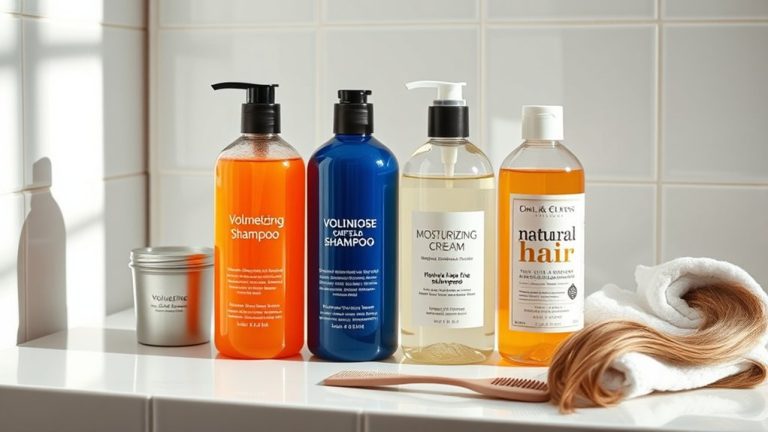
Choosing the right clarifying shampoo involves evaluating factors like usage frequency and hair type. For color-treated hair, prioritize color-safe formulas such as Paul Mitchell Shampoo Two to prevent fading.
If you swim regularly, consider shampoos that target mineral buildup, like Paul Mitchell Shampoo Three.
Sulfate-free options, including Odele Clarifying Shampoo, use chelation technology to remove buildup gently without stripping moisture.
Match the shampoo’s strength to how often you use styling products: stronger formulas suit frequent users, while gentler shampoos are better for occasional clarifying.
Always review product labels to ensure compatibility with your hair’s specific needs and treatments to maintain hair health effectively.
Is Clarifying Shampoo Safe for Color-Treated Hair?
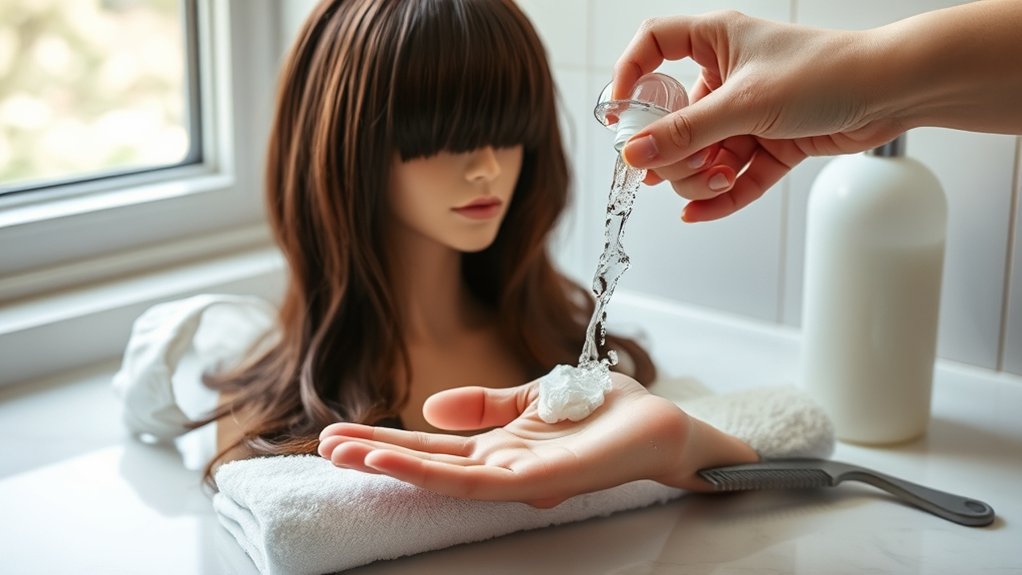
After selecting a clarifying shampoo suited to your hair type and treatment history, you might wonder if it’s safe to use on color-treated hair.
Clarifying shampoos can be safe when specifically formulated for colored hair. They offer deep-cleansing benefits without stripping dye.
Clarifying shampoos designed for color-treated hair cleanse deeply without fading your dye.
To guarantee safety and effectiveness, avoid clarifying shampoos within the first week after coloring. This helps prevent premature fading.
Choose color-safe clarifying shampoos like Paul Mitchell Shampoo Two. These remove buildup while maintaining vibrancy and shine.
On the other hand, steer clear of stronger formulas such as Paul Mitchell Shampoo Three. These may strip color due to their intense cleansing properties.
How to Follow Up After Clarifying Shampoo
Since clarifying shampoos effectively remove buildup and residue, you have to replenish moisture right away to prevent dryness and keep your hair healthy.
Start by applying a hydrating deep conditioner that’s designed to restore your hair’s moisture balance. Products like Paul Mitchell Super-Charged Treatment offer intensive hydration and help improve texture after clarification.
Let the deep conditioner sit for 5 to 10 minutes to make sure your hair soaks up all the goodness.
Then, rinse with cool water to seal the cuticle, locking in moisture and boosting shine.
Making a moisturizing treatment part of your routine after clarifying shampoo will help prevent dryness and keep your hair healthy over time.
Follow this simple routine, and your hair will stay hydrated, balanced, and strong after every clarifying wash.
Key Benefits of Clarifying Shampoo for Scalp and Hair Health
You’ll notice that clarifying shampoo works really well to remove product buildup and excess oils that can clog your scalp and weigh your hair down.
It’s like giving your hair a fresh start. This deep cleansing helps bring back your hair’s natural shine and volume by getting rid of those residues that make strands look dull and flat.
Plus, when your scalp stays cleaner, it creates a healthier environment that encourages better hair growth and improves texture overall.
Buildup Removal Benefits
Although regular shampoos clean your hair superficially, clarifying shampoo penetrates deeply to remove stubborn product buildup, excess oils, and environmental pollutants that ordinary cleansers leave behind.
This buildup removal is essential for maintaining scalp and hair health.
Using clarifying shampoo enables you to:
- Eliminate excess oils and residue that clog pores and weigh hair down.
- Remove environmental pollutants and chemical deposits, including chlorine from swimming pools.
- Restore shine by clearing layers of dulling buildup, allowing hair’s natural luster to reemerge.
Shine And Volume Restoration
Removing buildup with clarifying shampoo does more than just cleanse; it directly impacts your hair’s shine and volume. Clarifying shampoo effectively removes product buildup, including excess oils and residues that dull your hair and weigh it down.
By eliminating these impurities, it helps restore volume and bounce, especially after frequent dry shampoo use. This deep cleansing action enhances the effectiveness of conditioners and treatments, allowing them to penetrate better and improve hair health.
Plus, clarifying shampoo promotes scalp health, which is essential for supporting hair vitality and natural shine.
As a result, you’ll notice a significant improvement in hair appearance, with enhanced luster and movement that reflects a truly revitalized scalp and hair structure. It’s like giving your hair a fresh start!
Tips for Maintaining Healthy Hair Between Clarifying Sessions
While clarifying shampoos effectively remove buildup, maintaining healthy hair between sessions requires strategic care. To optimize hair health, focus on these key practices:
Clarifying shampoos remove buildup, but consistent care is essential to keep hair healthy between washes.
- Incorporate a hydrating conditioner: After clarifying, use a moisturizing conditioner to restore moisture balance and prevent dryness. This supports hair elasticity and reduces breakage.
- Limit dry shampoo use: Excessive dry shampoo can contribute to buildup, so use it sparingly. This helps maintain scalp cleanliness and prolong the interval between washes.
- Regular scalp massages: Gently massaging your scalp enhances blood circulation and promotes natural cell turnover. It also aids in reducing residue accumulation.
Additionally, staying hydrated internally supports scalp and hair health, reinforcing these external care measures.
Frequently Asked Questions
Can Clarifying Shampoo Help With Dandruff or Scalp Conditions?
Yes, clarifying shampoo can help with dandruff treatment by providing effective scalp exfoliation that removes product buildup and excess oils from an oily scalp.
This cleansing action reduces flakiness and irritation, promoting a healthier scalp environment.
However, you should use it sparingly to avoid dryness.
Combining clarifying shampoo with medicated dandruff treatments can enhance results.
This way, you improve overall scalp health and reduce persistent dandruff symptoms effectively.
Is Clarifying Shampoo Suitable for Curly or Textured Hair?
Clarifying shampoo is a game-changer for curly hair care, but you have to use it wisely. It excels at removing product buildup, which can weigh down your curls and dull your texture.
For textured hair maintenance, choose a sulfate-free formula to protect moisture retention. Overuse can strip essential oils and cause dryness.
Limit use to once a month and always follow with a deep conditioner. This helps restore hydration and keeps your curls’ natural bounce and definition.
Can I Use Clarifying Shampoo on My Eyebrows or Body Hair?
You shouldn’t use clarifying shampoo on your eyebrows or body hair. Its strong shampoo ingredients can disrupt the delicate balance needed for ideal eyebrow care and body hair health. This can cause dryness and irritation.
Instead, go for gentle, sulfate-free cleansers that are made specifically for these sensitive areas. This way, you preserve your natural oils and keep your hair healthy.
Plus, you avoid the harsh effects that clarifying shampoos, which are designed for scalp hair, can cause.
Does Clarifying Shampoo Remove Hair Dye Completely?
Clarifying shampoo doesn’t completely remove hair dye but reduces color through its color removal effectiveness by stripping surface buildup.
Using it frequently increases potential hair damage and accelerates fading.
To protect your color, limit clarifying shampoo use to occasional detox sessions.
For thorough color removal, consider alternative solutions like color removers or professional treatments.
These options target dye molecules more effectively without compromising hair health as much as clarifying shampoos can.
Can I Mix Clarifying Shampoo With Other Hair Products?
Imagine your hair cleansing like a fresh rainstorm, washing away every trace of buildup. You shouldn’t mix clarifying shampoo with other hair products because it compromises the benefits by diluting its potency.
Proper mixing techniques help avoid product compatibility issues and ensure maximum effectiveness. It’s best to use clarifying shampoo alone, sparingly, usually once a week, to keep your scalp healthy.
Combining products can mess up this balance, reducing the shampoo’s cleansing power. Plus, it might cause dryness or irritation, which nobody wants. So, stick to using it on its own for the best results.
Conclusion
Using clarifying shampoo might seem harsh compared to your regular shampoo, but it’s precisely this deep cleanse that restores balance and removes buildup effectively. While it strips away residue others leave behind, it also revitalizes your scalp and hair health when used correctly.
Don’t overdo it. Too frequent use can dry your strands. So, think of clarifying shampoo as a powerful, targeted tool in your hair care routine.
It’s not a daily staple. For best results, use it occasionally to keep your hair fresh and balanced.