How To Choose Shampoo – Simple Guide For Every Hair Type
To choose the right shampoo, first assess your scalp. Oily scalps need clarifying shampoos, while dry or sensitive scalps benefit from moisturizing or sulfate-free formulas.
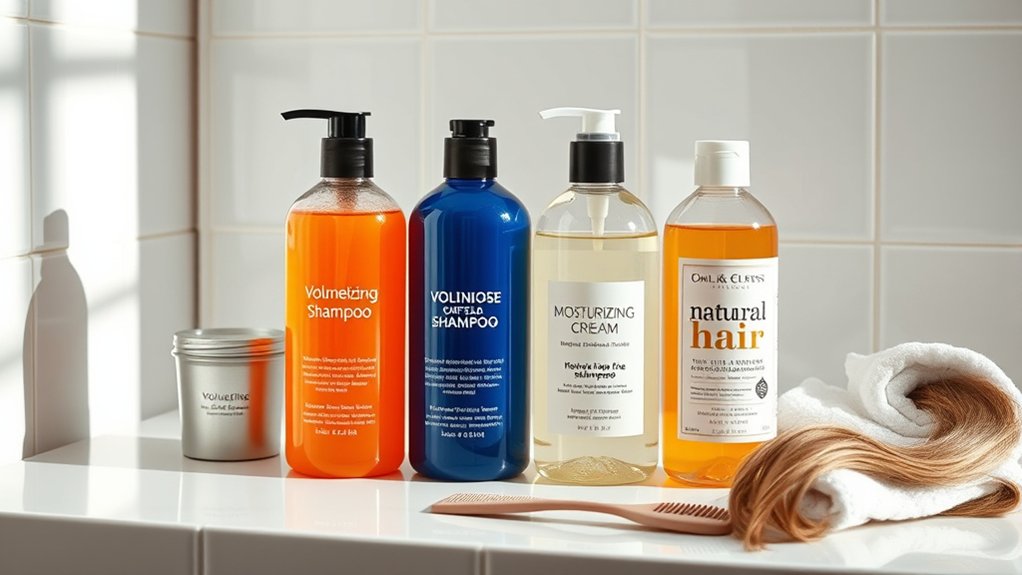
Match your shampoo to your hair type. Use volumizing shampoo for fine or oily hair, moisturizing for dry or coarse hair, and frizz-control for curls.
Use clarifying shampoo sparingly and adjust washing frequency based on your scalp condition. Pair shampoos with suitable conditioners to get the best results.
Explore these details to optimize your hair care routine effectively. It’s all about finding what works best for you!
Identify Your Scalp Condition for Better Shampoo Choices
How do you know which shampoo suits your hair best? Start by identifying your scalp condition, as this guides your shampoo choice.
If your scalp is oily, you need a clarifying shampoo that effectively removes excess oil and product buildup without over-drying.
On the other hand, if your scalp feels dry or tight, a moisturizing shampoo enriched with hydrating ingredients will restore balance and soothe irritation.
For dry or tight scalps, use moisturizing shampoos with hydrating ingredients to restore balance and soothe irritation.
Understanding whether your scalp is sensitive also matters. Harsh chemicals can cause adverse reactions, so sulfate-free, paraben-free formulas with calming agents like aloe vera are preferable.
Environmental factors such as pollution can affect scalp health. So, consider detoxifying options if you live in urban areas.
Regularly evaluating your scalp guarantees you adjust your shampoo choice for peak scalp health and hair appearance.
Shampoo Options for Different Hair Types
Although selecting the right shampoo can seem overwhelming, tailoring your choice to your specific hair type guarantees ideal care and results.
Your unique hair type demands shampoo options that address its particular needs within your hair care regimen.
For fine or medium hair, choose volumizing shampoos that lift without weighing strands down.
Medium to coarse hair benefits from moisture-repair or thickening shampoos that hydrate and fortify.
If you have oily hair, clarifying or balancing shampoos effectively remove excess oil and buildup.
Dry hair requires moisturizing formulas enriched with oils or butters to restore softness.
Curly hair thrives with shampoos rich in moisture and frizz control to define curls without residue.
Selecting shampoos aligned with your hair’s characteristics assures healthier, manageable hair day after day.
It’s all about matching the product to what your hair really needs.
Volumizing Shampoos That Boost Fine, Oily Hair
When you have fine, oily hair, choosing a volumizing shampoo can really transform your daily routine. It works by effectively removing excess oil without weighing your strands down.
Volumizing shampoos offer lightweight cleansing that lifts and adds bounce, creating the illusion of fuller hair.
Lightweight cleansing lifts fine hair, adding bounce and creating the perfect illusion of fullness.
Look for formulas enriched with natural extracts like aloe vera or wheat protein. These ingredients strengthen fine hair while boosting body.
Many options are sulfate-free, cleansing gently to preserve your hair’s natural oils and maintain scalp health.
Using volumizing shampoo regularly improves manageability and styling versatility. It helps your hair stay fresh and voluminous throughout the day.
Moisturizing Shampoos for Dry and Coarse Hair
Because dry and coarse hair often lacks essential moisture, choosing a moisturizing shampoo is crucial to restore softness and manageability.
Moisturizing shampoos designed for dry and coarse hair typically include rich natural oils like argan and coconut, along with butters such as shea, which deeply hydrate and nourish each strand.
Look for labels emphasizing “moisture-repair” or “hydrating” to guarantee intense hydration and replenishment of lost moisture. Ingredients like aloe vera and protein-based components, including keratin and silk protein, strengthen and revitalize your hair.
Using these shampoos regularly helps improve texture and combat dryness effectively.
For optimal hydration and protection, pair your moisturizing shampoo with a compatible conditioner to maintain softness and manageability throughout the day.
It really makes a difference when you use both together!
Best Shampoos for Frizz Control and Shine
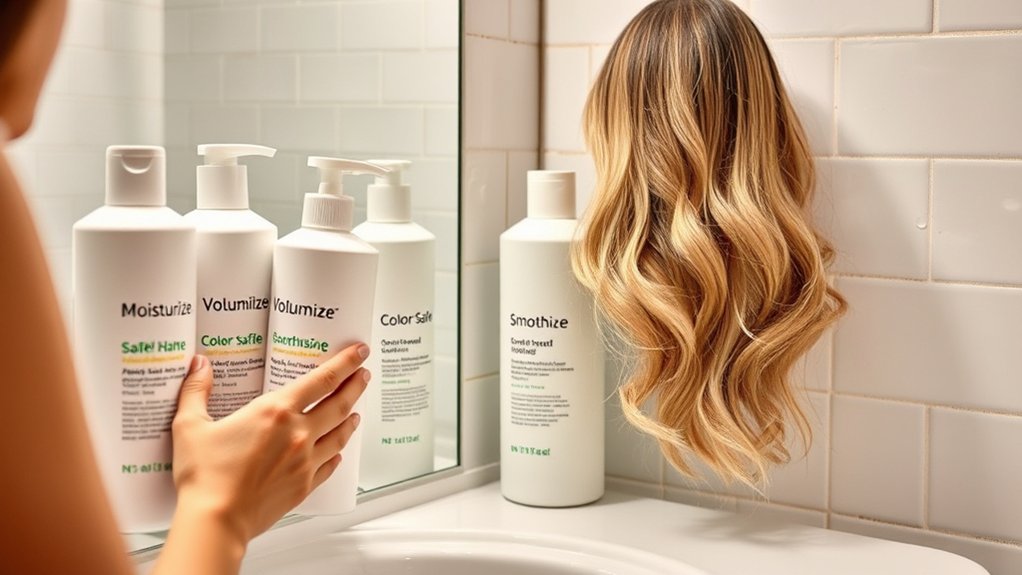
When you’re picking out shampoos for frizz control and shine, it’s a good idea to go for formulas that are packed with conditioning agents. These help smooth your hair and give it that extra glossy finish.
You’ll want to keep an eye out for hydrating ingredients like argan oil or aloe vera. They’re great at locking in moisture and keeping those pesky flyaways at bay.
Plus, choosing sulfate-free and pH-balanced shampoos makes a big difference. They help maintain your hair’s natural oils and keep the cuticle healthy, which means your smoothness lasts longer.
Effective Frizz Control
Although managing frizz can feel challenging, choosing the right shampoo makes a significant difference in achieving smooth, shiny hair. Opt for smoothing shampoos enriched with conditioning agents like argan oil, coconut oil, and aloe vera to hydrate and tame frizz effectively.
These ingredients not only provide frizz control but also impart a natural glossy finish.
Sulfate-free formulas are essential since sulfates strip natural oils, worsening frizz and dryness. Regularly using moisturizing or moisture-repair shampoos helps maintain your hair’s hydration levels, reducing frizz over time.
To avoid weighing your hair down, pair your smoothing shampoo with a lightweight conditioner that balances hydration and control.
This combination guarantees your hair stays sleek, manageable, and frizz-free without sacrificing volume or bounce.
Enhancing Hair Shine
To enhance your hair’s natural shine while controlling frizz, you should select shampoos specifically formulated with high levels of conditioning agents. These products help smooth the hair cuticle, improving texture and boosting shine.
When choosing a shampoo, prioritize formulations rich in humectants and avoid sulfates, which can strip oils and dull your hair.
To effectively enhance shine and provide frizz control, look for shampoos that contain silicones or natural oils like argan and coconut for a glossy finish. They should also feature moisturizing agents to maintain hydration and be labeled “anti-frizz” to attract and retain moisture.
Make sure the shampoo suits medium to coarse hair types with smoothing properties. Also, pick ones that exclude sulfates to preserve natural oils and prevent frizz.
Selecting the right shampoo will leave your hair smoother, shinier, and more manageable. It’s worth taking the time to find the perfect match for your hair needs!
When Should You Use a Clarifying Shampoo?
Usually, once a week does the trick to reset things without stripping away your hair’s natural moisture. Just keep an eye on how your hair responds and tweak how often you use it to keep everything balanced and hydrated.
Signs You Need
When your hair feels heavy, greasy, or just lacks volume even though you wash it regularly, that’s a pretty clear sign a clarifying shampoo could help. Knowing when you need one is key to keeping your hair care routine on point.
This type of shampoo is a powerful cleanser that gets rid of buildup from styling products, excess oil, and other impurities. It helps bring back your hair’s natural balance.
Keep an eye out for these signs: dull, lifeless hair without shine, limp strands that won’t hold a style, and a scalp that’s persistently itchy or irritated.
You might also notice product residue even after washing or an oily scalp that feels greasy quickly. Using a clarifying shampoo tackles these problems by deeply cleansing your hair and scalp.
Just remember to follow with a moisturizing conditioner afterward to keep your hair hydrated and your scalp healthy.
How Often Use
Although clarifying shampoos offer a powerful solution for removing buildup, using them too often can strip your hair of essential moisture and natural oils.
Generally, you should use a clarifying shampoo 1-2 times a month to effectively eliminate product residue and excess oil without over-drying your hair.
If you have oily hair, you might need to use it more frequently, about once a week, to maintain scalp health.
However, if your hair is dry or color-treated, limit clarifying shampoo use to prevent moisture loss and color fading.
After every clarifying shampoo session, always follow up with a moisturizing conditioner to restore hydration and protect your hair’s natural balance.
This approach guarantees your hair stays clean, healthy, and well-nourished.
Are Sulfate-Free and Natural Shampoos Right for You?
How do you determine if sulfate-free and natural shampoos suit your hair care needs? If you have sensitive skin or color-treated hair, sulfate-free shampoos can be a gentler option. They help prevent dryness caused by harsh sulfates.
Natural shampoos are enriched with plant-based ingredients like coconut and argan oil. They offer hydration without synthetic chemicals. However, keep in mind they may not lather as much as traditional shampoos and could contain allergens.
Consider these points:
- Sulfate-free shampoos protect natural oils and scalp health.
- Natural shampoos use botanical ingredients for nourishment.
- They often exclude parabens and synthetic additives.
Lathering might be less intense compared to conventional shampoos. Also, check ingredient lists for potential allergens despite “natural” labeling.
Choosing the right shampoo really depends on your hair type and sensitivity. So, think about what works best for you!
How to Match Shampoo With Conditioner for Best Results
Selecting the right shampoo based on your hair type is just one part of optimizing your hair care routine. Matching it with a compatible conditioner can considerably enhance your results. Tailored combinations of shampoo and conditioner help you focus on needs like volume, moisture, or frizz control.
For example, pairing a thickening shampoo with a smoothing conditioner boosts fullness while taming flyaways. Don’t hesitate to experiment to find what works best for your hair.
| Shampoo Type | Conditioner Type | Purpose |
|---|---|---|
| Volumizing | Smoothing | Root lift + frizz control |
| Thickening | Smoothing | Density + sleekness |
| Moisture-repair | Volumizing | Hydration + lightweight cleanse |
| Clarifying | Nourishing | Oil control + moisture balance |
| Color-protecting | Repair | Color longevity + damage repair |
How Often Should You Wash Your Hair?
For instance, if you have oily hair, you might need to wash it daily. On the other hand, if your hair is dry or curly, washing every few days usually works better.
It’s all about adjusting your routine based on how your scalp feels and the environment you’re in. That way, you can keep your hair and scalp in the best balance possible.
Washing Frequency Factors
Although washing frequency varies widely, understanding your hair type and lifestyle can help you figure out the best routine. Your washing frequency should balance scalp health with what feels right for you to keep your hair clean and nourished.
Think about these key factors:
- Oily hair often needs daily washing to keep excess oil and buildup under control.
- Dry or curly hair usually does better with washing every 3-5 days to hold onto natural moisture.
- Environmental stuff like humidity and pollution might mean you need to wash more often.
At the end of the day, your personal preference really matters. Comfort and how your hair feels should guide your routine.
Try out different washing schedules to see what works best for your unique hair type and scalp.
Hair Type Guidelines
When should you wash your hair to keep it healthy and vibrant? Following proper hair type guidelines is crucial. If you have oily hair, you’ll likely need to wash daily to remove excess oil and prevent buildup.
For dry or curly hair, washing every 3-7 days helps preserve natural oils and moisture, reducing the risk of damaged hair. You should also consider lifestyle factors like exercise or pollution exposure, which may require adjusting your routine.
To maintain scalp health, choose the right shampoo. Gentle, sulfate-free options work best for sensitive scalps. Clarifying shampoos can be used occasionally to eliminate product buildup if you wash less frequently.
Tailoring your washing schedule to your hair type guarantees peak health and appearance. It’s all about finding what works best for you!
Tips for Switching Shampoos Without Damaging Hair
Since switching shampoos can disrupt your hair’s natural balance, it’s important to adjust gradually by mixing your new shampoo with your current one over several days. This smooth adjustment helps your scalp and hair adapt without shock.
To protect your hair needs during this change, follow these tips:
- Mix your new shampoo with the old one over a week to ease the adjustment.
- Choose a sulfate-free shampoo to avoid stripping natural oils.
- Use a clarifying shampoo once before switching to remove buildup.
Keep an eye on your hair’s reaction and adjust how often you wash if you notice dryness or oiliness.
Also, track changes in texture and health to find the best shampoo for your hair needs.
Frequently Asked Questions
Can Shampoo Help Reduce Hair Loss or Promote Growth?
Yes, shampoo can help reduce hair loss and promote growth, especially if it focuses on scalp stimulation.
By improving blood circulation to your scalp, it encourages healthier hair follicles and can enhance hair thickness over time.
Choosing shampoos with natural remedies like biotin, caffeine, or essential oils supports this process.
While they’re not miracle cures, consistent use combined with good hair care habits can make a noticeable difference in your hair’s health.
What Ingredients Should I Avoid in Shampoos for Sensitive Scalp?
You should avoid sensitive ingredients like sulfates, parabens, and synthetic fragrances, as they often cause scalp irritation.
These harsh chemicals can strip your scalp’s natural oils, leading to dryness and itching.
Instead, look for natural alternatives such as aloe vera, chamomile, or tea tree oil, which soothe and protect your scalp.
Choosing gentle, hypoallergenic shampoos helps maintain balance and reduces the risk of flare-ups or discomfort.
It’s all about keeping your scalp happy and healthy, so opting for milder ingredients really makes a difference.
Are Shampoos With Color Protectants Effective for Dyed Hair?
Yes, shampoos with color protectants offer good color protection efficacy by locking in dye and minimizing fading.
To maximize dye longevity factors, choose sulfate free options since sulfates strip color and moisture. These shampoos use gentle cleansers and antioxidants that shield your hair from UV rays and environmental damage.
Using them consistently helps maintain vibrant, long-lasting color while keeping your hair healthy and hydrated.
How Does Water Hardness Affect Shampoo Performance?
Hard water affects shampoo performance by reducing shampoo lather, making it harder to cleanse your hair thoroughly.
The minerals in hard water can cause mineral buildup on your scalp and strands, which weighs hair down and leaves it feeling dull or sticky.
To combat this, you should choose shampoos formulated to soften hard water effects or contain chelating agents that help remove buildup.
This way, you ensure your hair stays clean, vibrant, and healthy.
It’s all about keeping your hair looking and feeling its best despite the hard water.
Can Shampoo Improve Scalp Health Beyond Cleanliness?
Yes, shampoo can improve scalp health beyond cleanliness by promoting scalp exfoliation benefits that remove dead skin cells and buildup.
It helps maintain the pH balance importance, keeping your scalp’s environment stable and preventing irritation.
Good shampoos also preserve your scalp’s natural oils, which protect and nourish hair follicles.
Choosing a formula designed for your scalp type supports overall scalp health, reduces flakiness, and encourages stronger, healthier hair growth.
Conclusion
Choosing the right shampoo is like finding the perfect key to unlock your hair’s true potential. When you understand your scalp and hair type, you can create a routine that really nourishes, protects, and enhances every strand.
It’s all about matching your shampoo with the right conditioner and washing frequency. That way, you keep a good balance and avoid any damage.
With these tips, you’ll feel confident walking down the hair care aisle. Soon enough, you’ll be rocking a vibrant, healthy crown.