Can You Use Shampoo As Hand Soap – Is It Safe And Effective
You can use shampoo as hand soap temporarily, but it isn’t designed for frequent skin use and may cause dryness or irritation by stripping natural oils. Shampoo’s higher pH and thicker consistency differ from hand soap, which is formulated to clean effectively while protecting your skin.
To reduce dryness, moisturize after washing and rinse well. Avoid regular use, especially if you have sensitive skin, and watch for signs of irritation.
Explore more tips to maintain skin health during product substitutions.
Can You Safely Use Shampoo As Hand Soap?
But keep in mind, shampoo formulations are designed primarily for hair, not skin. This means shampoo may leave a residue and lacks the moisturizing properties found in dedicated hand soaps.
Using shampoo on your hands frequently can cause dryness or irritation because it strips natural oils. That can negatively affect your skin health.
If you do choose to use shampoo regularly as hand soap, it’s a good idea to apply a moisturizer afterward to counteract any drying effects.
How Shampoo Works As A Hand Soap Alternative
Shampoo cleans your hands by using surfactants, which trap dirt and grease, allowing them to be rinsed away with water. When you use shampoo as a hand soap alternative, it works in a similar way by breaking down oils and contaminants on the skin’s surface.
But keep in mind, shampoo is made mainly for hair, not skin.
Here are some things to think about when using shampoo on your hands:
- Surfactants in shampoo do a good job removing dirt but might leave some residue if you don’t rinse well.
- Using it often can dry out or irritate your skin because it’s designed with hair in mind.
- So, it’s better to save shampoo for emergencies rather than washing your hands regularly.
Differences Between Shampoo And Hand Soap Formulations
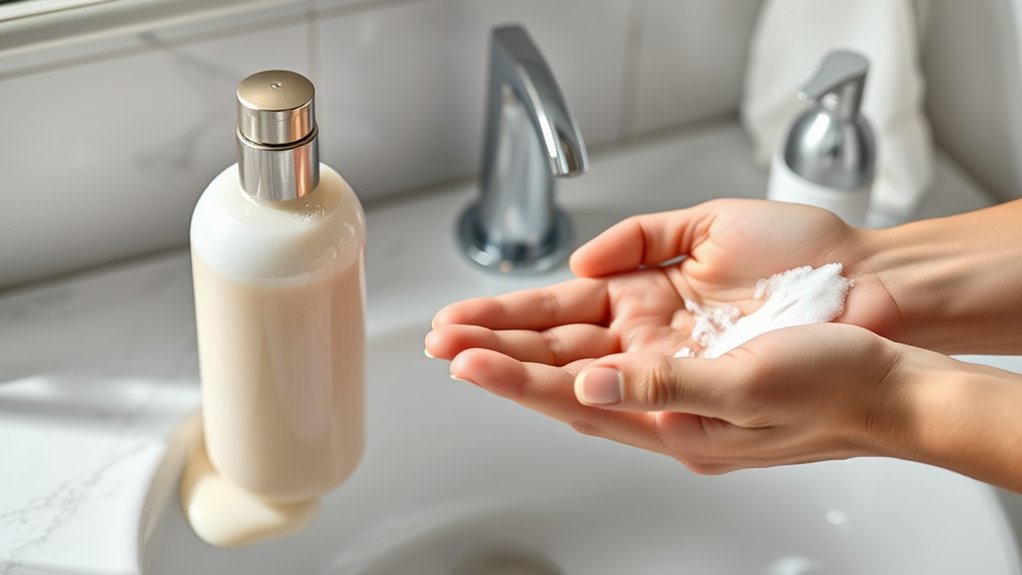
Although both products contain surfactants to remove dirt and oils, hand soap and shampoo differ markedly in their formulations.
Shampoo includes conditioning agents designed to maintain hair moisture and health, whereas hand soap prioritizes effective dirt and germ removal from the skin. Shampoo typically has a higher pH level, which can irritate skin if used frequently as hand soap.
Furthermore, hand soap usually presents a thinner consistency than shampoo, influencing its lathering and cleaning performance.
While shampoos aim to preserve hair moisture, their ingredients may cause skin dryness when used regularly on hands.
Understanding these formulation differences helps you appreciate why shampoo and hand soap serve distinct purposes despite their shared cleansing surfactants.
What Shampoo Does To Your Skin Vs. Hand Soap
When you use shampoo on your hands, you might notice it cleans effectively but can leave your skin feeling dry or tight over time.
Shampoo contains surfactants designed primarily for hair, which may strip natural oils from your skin when used frequently.
Hand soap, however, is formulated to maintain skin moisture and reduce irritation. So, it’s really made with your skin’s needs in mind.
Here’s what differentiates shampoo and hand soap for your skin:
- Shampoo’s pH level varies and can disrupt skin balance more than hand soap.
- Hand soap includes emollients that nourish and protect the skin during washing.
- Regular use of shampoo as hand soap increases the risk of dryness and irritation compared to hand soap.
Choosing hand soap guarantees better skin health during regular handwashing. It’s a simple switch that makes a big difference!
What To Expect When Washing Hands With Shampoo
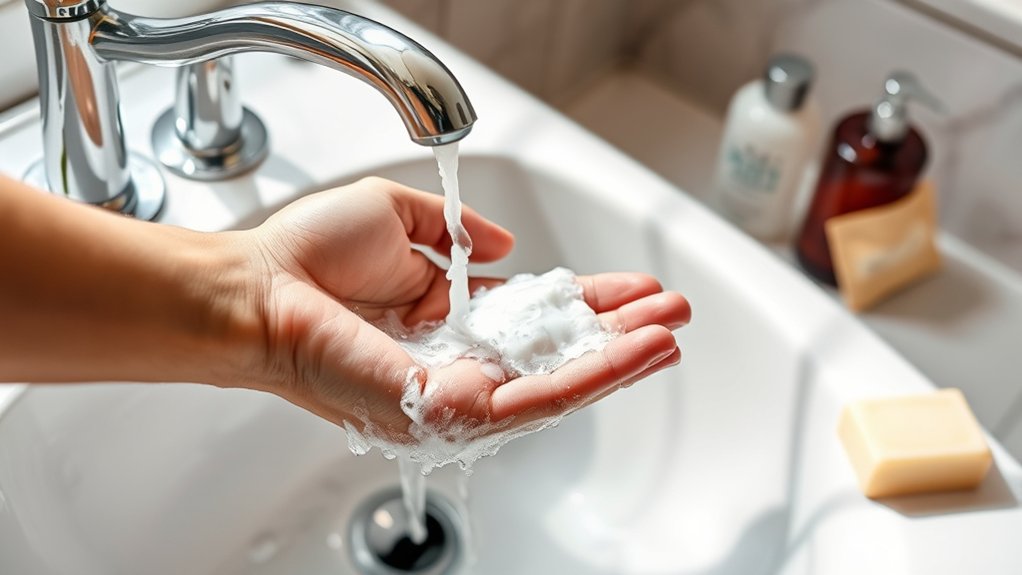
When you wash your hands with shampoo, you’ll notice it does a good job removing dirt and oils because of the surfactants in it.
But, if you don’t rinse it off properly, it might leave a bit of residue behind.
Also, you might feel a difference in how your skin feels afterward. Shampoo can strip away natural oils more than regular hand soap, which could leave your hands feeling dry.
Cleaning Efficiency Comparison
Since shampoo contains surfactants similar to those in hand soap, it effectively removes dirt and oils from your hands.
However, shampoo’s formulation, designed for hair, may leave a residue that reduces the feeling of cleanliness compared to traditional hand soap.
When comparing cleaning efficiency, consider these points:
- Shampoo cleans effectively but may leave a film that hand soap typically avoids.
- Shampoo’s pH differs from hand soap, potentially affecting skin comfort during extended use.
- Frequent use of shampoo on hands can cause dryness or irritation due to its ingredients.
Skin Moisture Impact
Shampoo’s ability to clean effectively comes with a trade-off in skin moisture. Because shampoo contains surfactants designed to remove oils, using it to wash your hands can strip away natural skin oils, leading to dryness.
Unlike regular hand soap, shampoo may leave residues that affect moisture balance, potentially making your skin feel rougher.
If you have sensitive skin, shampoo’s ingredients might cause irritation or discomfort when used often. Plus, relying on shampoo repeatedly as hand soap can make dryness and discomfort worse. It’s not really made for that purpose.
To help with this, it’s a good idea to apply a moisturizer after washing your hands with shampoo. This helps restore hydration and keeps your skin barrier healthy. That way, your hands stay in good shape despite shampoo’s oil-removing effects.
Residue and Rinse
Anyone using shampoo as hand soap should know it might leave a residue if you don’t rinse thoroughly.
Shampoo has surfactants that clean well, but it’s made for hair, not skin. That difference can leave a slippery or greasy feel on your hands.
When washing with shampoo, here’s what to expect: residue can build up if you don’t rinse enough, which can change how your skin feels. You might also notice a drying sensation since shampoo ingredients aren’t designed for skin.
On the plus side, some conditioning agents can make your hands softer— but only if you rinse off all the residue.
To avoid residue, make sure you rinse your hands really well.
And it’s a good idea to apply moisturizer afterward to keep your skin hydrated and comfortable.
When Should You Avoid Using Shampoo As Hand Soap?
You should probably steer clear of using shampoo as hand soap if you have sensitive skin or if your scalp tends to get irritated easily. Some of the ingredients in shampoo might make those issues worse.
Also, using shampoo on your hands all the time can strip away your skin’s natural oils, leaving your skin dry and uncomfortable.
Plus, shampoo isn’t really made to handle heavy dirt or grime, so it mightn’t clean your hands as well when they’re really dirty.
Scalp Irritation Risks
Although shampoo effectively cleans hair and scalp, it can cause dryness and irritation when used frequently on hands because of differing pH levels. You should be aware of scalp irritation risks when considering shampoo as hand soap.
People with sensitive skin or allergies might notice redness, dryness, or flakiness.
To minimize these risks, follow some simple guidelines. First, avoid using shampoo as hand soap if your skin is sensitive or prone to allergies. Always rinse your hands thoroughly after washing to prevent any residue buildup.
If you start to feel irritation or discomfort, stop using shampoo right away and switch to a proper hand soap.
At the end of the day, it’s just safer to use hand soap made specifically for washing hands to keep your skin healthy and avoid those scalp irritation risks.
Hair Dryness Concerns
Dryness poses a significant concern when using shampoo as hand soap since shampoos contain surfactants designed to strip oils from hair. These surfactants can also remove the natural oils your skin relies on for moisture.
If you have sensitive skin or conditions like eczema, it’s best to avoid using shampoo as hand soap to prevent irritation. Applying moisturizer afterward can help replenish lost moisture. But keep in mind, frequent use is not recommended.
| Factor | Impact on Skin | Recommendation |
|---|---|---|
| Surfactants | Remove natural oils | Use sparingly |
| pH level difference | Potential irritation | Avoid if sensitive |
| Skin condition | Increased dryness risk | Prefer hand soap for regular use |
| Moisturizer use | Helps restore moisture | Apply after shampoo use |
Frequent Use Limitations
While shampoos can occasionally serve as hand soap, their formulation isn’t suited for frequent use on skin. Understanding frequent use limitations is essential to avoid adverse effects such as dryness, irritation, and allergic reactions.
You should avoid using shampoo as hand soap when you wash your hands multiple times daily. That’s because shampoos can strip natural oils, leading to dryness and roughness.
Also, if you have sensitive skin or known allergies, shampoo ingredients and fragrances may trigger irritation.
If you experience skin discomfort or visible irritation after use, it’s a sign your skin is reacting negatively.
To keep your skin healthy, limit shampoo use as hand soap to emergencies or one-time situations.
And remember to always apply moisturizer afterward to restore hydration.
Tips To Minimize Skin Dryness After Using Shampoo
When you use shampoo as hand soap, you can minimize skin dryness by applying a moisturizing lotion or cream immediately afterward to lock in hydration.
Choose a mild, sulfate-free shampoo to reduce irritation and dryness. Rinse your hands thoroughly with lukewarm water to remove all shampoo residue, which can otherwise strip natural oils and make dryness worse.
Try not to use shampoo as hand soap too often because it can remove your skin’s protective oils.
For extra moisture, you might want to apply a few drops of natural oils like jojoba or coconut oil after washing.
These simple steps help keep your skin healthy and hydrated, so you don’t end up with dry, flaky hands while using shampoo as a substitute hand cleanser.
Other Hand Soap Alternatives For Emergencies
When you run out of traditional hand soap, don’t worry—there are a few good alternatives you can use to keep your hands clean in an emergency.
For example, body wash, bar soap, and even diluted shampoo work well because they’ve similar cleaning ingredients.
You can also consider dish soap or shaving cream, but just be careful with those since they might irritate your skin if used too often.
Knowing about these options can really come in handy when you don’t have your usual hand soap around.
Alternative Soap Options
In emergencies where traditional hand soap is unavailable, several alternatives can effectively maintain hand hygiene. You can rely on substances with surfactants, similar to shampoo, to remove dirt and oils from your skin.
Consider these options:
- Body Wash – Contains surfactants comparable to shampoo, providing effective cleaning and a pleasant scent.
- Bar Soap – A cost-effective, readily available option that lasts long if stored properly.
- Dish Soap – Offers strong cleaning properties but should be used sparingly to avoid skin dryness and irritation.
While shampoo works as a suitable temporary substitute, try to avoid using harsh cleaners made for surfaces too often since they might harm your skin.
Always rinse thoroughly to minimize residue and potential irritation.
Emergency Soap Substitutes
Although traditional hand soap is preferred, you can effectively maintain hand hygiene in emergencies by using certain substitutes.
Body wash is a reliable alternative since it contains surfactants similar to those in hand soap, effectively removing dirt and germs. Bar soap also works well, offering a cost-effective and widely available option.
Dish soap can be used, but sparingly, as its harsh chemicals may dry out or irritate your skin with frequent use.
Shampoo serves as a last-resort substitute; it can clean your hands but may leave residue and isn’t formulated for regular hand washing. Liquid hand soap and body wash share comparable chemical compositions, allowing safe interchangeability provided you’re not allergic to specific ingredients.
These options guarantee you maintain hygiene when hand soap isn’t accessible.
When To Switch Back To Regular Hand Soap For Healthy Skin
How do you know it’s time to switch back to regular hand soap after using shampoo? Although shampoo can work as a temporary hand cleanser, it’s not really made for your skin’s health.
You should go back to regular hand soap if you notice any of these signs: dryness or irritation, since shampoo’s surfactants can strip away your skin’s natural oils and leave it rough or flaky.
Switch back to hand soap if dryness or irritation appears, as shampoo can strip your skin’s natural oils.
Or if your skin texture feels different, like rougher or just not right, that’s a sign shampoo isn’t the best choice.
Also, watch out for allergic reactions like redness, discomfort, or sensitivity—these mean your skin isn’t handling the shampoo well.
Regular hand soaps help keep your skin’s pH balanced, which shampoo might mess up.
For healthy, hydrated hands, try to only use shampoo in a pinch and switch back quickly to a hand soap made for frequent washing.
How To Maintain Hand Health During Product Substitutions
Recognizing when to switch back to regular hand soap helps protect your skin, but maintaining hand health during product substitutions requires ongoing care.
When using shampoo as hand soap, limit how often you do it to keep dryness at bay. Shampoo is meant to strip oils, not nourish your skin.
Always rinse your hands well to get rid of any shampoo residue that might irritate your skin. After washing, put on a moisturizer right away to keep your skin hydrated and prevent dryness. You might also want to try a gentle conditioner after washing to help support your skin’s barrier.
Keep an eye on your hands for any signs of irritation or dryness. If you notice any problems, switch back to your usual hand soap quickly.
Following these tips will help you take good care of your hands, even when you’re swapping products like shampoo.
Frequently Asked Questions
Can Shampoo Cause Allergic Reactions When Used as Hand Soap?
Yes, shampoo can cause allergic reactions when used as hand soap due to allergy considerations.
You might experience redness, itching, or swelling because shampoo contains fragrances and preservatives that can irritate sensitive skin.
Since shampoos have different pH levels and allergens than hand soaps, your skin may react adversely.
To avoid issues, you should perform a patch test before regular use and stop immediately if any allergic symptoms appear.
If needed, consult a healthcare professional. It’s better to be safe than sorry when it comes to skin reactions.
Does Using Shampoo Affect the Effectiveness of Hand Sanitizers?
Studies show hand sanitizers lose up to 40% effectiveness when applied over shampoo residue.
You should know shampoo residue can create a barrier on your skin, preventing hand sanitizer from fully adhering and working properly. This interference reduces the sanitizer’s alcohol content efficacy, compromising germ elimination.
To guarantee maximum hygiene, rinse shampoo thoroughly or use hand soap designed for hands before applying sanitizer.
This keeps your hand sanitizer working at peak performance.
Are Certain Shampoo Ingredients Harmful if Left on Hands?
Yes, certain shampoo ingredients can be harmful if left on your hands.
Ingredient safety is essential because sulfates, parabens, and fragrances may irritate sensitive skin or cause allergic reactions with prolonged contact.
Active components in specialized shampoos, like anti-dandruff agents, might dry out or inflame your skin.
Residual silicones can clog pores, increasing irritation risk.
How Does Shampoo Affect Hand Hygiene Compared to Antibacterial Soap?
Think of hand hygiene like a battle where shampoo offers a decent shield but antibacterial soap wields a sharper sword.
In lather comparison, shampoo effectively removes dirt and oils but lacks antibacterial agents that target microbes. While shampoo cleans your hands, it doesn’t reduce bacteria as well as antibacterial soap does.
Using shampoo regularly may also dry your skin.
Can Children Safely Use Shampoo as Hand Soap in Emergencies?
Yes, children can safely use shampoo as an emergency solution for hand washing.
Just make sure to choose a gentle, tear-free shampoo to reduce the risk of irritation.
You’ll want to rinse their hands thoroughly to get rid of any residue that might cause discomfort.
Keep an eye out for any skin reactions, especially if their skin is sensitive.
Remember, shampoo is only a temporary fix.
Try to switch back to regular hand soap as soon as you can for everyday hygiene.
Conclusion
Using shampoo as hand soap in a pinch can work, but it’s not a perfect match. Think of it like using a screwdriver to hammer a nail. Functional but not ideal.
Shampoos often lack the skin-conditioning agents found in hand soaps. This can lead to dryness or irritation. For healthy skin, switch back to regular hand soap as soon as possible.
And keep moisturizers handy to maintain your skin’s barrier when you need alternatives. It’ll help keep your skin feeling soft and healthy.