Can You Use Dry Shampoo On Wet Hair – What You Need To Know
You shouldn’t use dry shampoo on wet hair because moisture causes the powder to clump. This creates residue that’s hard to remove and leads to a dull, patchy look.
Applying it on damp hair can also irritate your scalp and clog follicles. That risks buildup and discomfort.
To get the best results, only apply dry shampoo to completely dry hair and use proper techniques. If you want to guarantee healthy, fresh hair without issues, there’s more to think about.
How Dry Shampoo Works And Why It Needs Dry Hair
Although it might seem convenient, applying dry shampoo to wet hair considerably reduces its effectiveness because the product relies on absorbing excess oil and sebum from a dry scalp.
Applying dry shampoo to wet hair greatly lessens its ability to absorb oils effectively.
When you apply dry shampoo, its active ingredients like starches and silicas need dry hair to properly disperse and bind to oils. Moisture causes these powders to hydrate and swell, which diminishes their ability to absorb oil effectively.
If you apply dry shampoo on wet hair, you risk clumping, uneven residue, and difficulty removing the product later.
For maximum hair care and a natural finish, always use dry shampoo on completely dry hair. This ensures the product performs as intended, leaving your hair refreshed without unwanted buildup.
The ‘Starch Gel’ Effect: Why Wet Hair Causes Dry Shampoo Clumping
Applying dry shampoo to wet hair not only reduces its oil-absorbing power but also triggers a physical reaction known as the “starch gel” effect. When moisture meets dry shampoo’s starch or powder, hydration causes it to swell and form a paste-like gel. This leads to clumping and uneven distribution.
Here’s why this matters:
The starch gel causes dry shampoo to clump, making it hard to spread evenly through your hair. Clumping results in patchy residue, leaving dull, greasy-looking sections.
And those hydrated powders stick to your hair and scalp, creating a tacky feel and trapping dirt in stubborn patches.
Risks Of Applying Dry Shampoo On Wet Or Freshly Washed Hair
If you put dry shampoo on wet or freshly washed hair, you’ll probably see clumps and residue that are hard to get rid of. This can irritate your scalp and clog your hair follicles, which might cause discomfort or even damage.
Clumping And Residue Formation
When you use dry shampoo on wet or freshly washed hair, the powder absorbs moisture and forms clumps that distribute unevenly. This leads to several issues.
First, clumping and residue create a paste-like texture that’s tough to brush out. This causes white patches and uneven distribution on your scalp.
Also, wet hair causes dry shampoo to set in stubborn patches. This results in noticeable buildup that dulls your hair’s appearance.
The residue from improper application leaves your hair looking gritty and weighed down. It makes it difficult to achieve a natural finish.
So, avoid using dry shampoo on damp hair to prevent these problems. Proper application on dry hair lets the powder absorb oils effectively without clumping, residue, or unsightly white patches.
This way, your hair stays fresh and clean.
Increased Scalp Irritation
Why does using dry shampoo on wet or freshly washed hair often lead to scalp irritation? When you apply dry shampoo to wet hair, the moisture causes the powders to swell and form a paste that traps moisture on your scalp. This moisture trapping clogs hair follicles, disrupting scalp health and increasing the risk of irritation.
Excess residue buildup from applying dry shampoo on damp hair can cause itching, flaking, and make scalp irritation worse. Plus, this practice messes with the scalp’s natural oil balance, which can lead to even more oil production and irritation.
If you keep using dry shampoo on wet hair, it might also contribute to scalp problems like folliculitis or dermatitis. So, for the best scalp health, it’s a good idea to avoid applying dry shampoo on wet hair to prevent these risks.
Difficult Product Removal
Although dry shampoo offers a quick solution for invigorating your hair, applying it on wet or freshly washed hair makes product removal tricky. When you use dry shampoo on damp hair, the powders hydrate and swell, often turning into a paste.
This leads to clumping and uneven residue that’s tough to brush out. You might notice white patches and a dull, gritty look.
There’s also increased product buildup, which can clog hair follicles and cause scalp irritation or dandruff. Plus, a sticky scalp sensation happens because residue lingers longer and might need multiple washes to fully remove.
These issues make using dry shampoo on wet hair kind of counterproductive. It not only messes with your styling but can also affect your scalp’s health.
When It’s Okay To Use Dry Shampoo On Damp Hair
Since dry shampoo is made to absorb oil from fully dry hair, you should avoid applying it on damp strands. This helps prevent uneven residue and buildup.
That said, there are rare times when you might use dry shampoo on slightly damp hair, like when your hair is almost dry but still feels a bit moist. In these cases, make sure your hair and scalp are close to fully dry to minimize product buildup and avoid a greasy look.
Applying dry shampoo on wet hair causes the powder to swell and form a paste. This traps dirt and makes it tough to remove.
To keep your hair and scalp clean, always wait until your hair is completely dry before using dry shampoo. This way, you get the best oil absorption and avoid any patchiness or heaviness.
Fixing Dry Shampoo Build-Up From Wet Hair
How can you effectively remove dry shampoo buildup caused by applying it to wet hair? When dry shampoo meets wet hair, it can clump and leave stubborn residue on your scalp. This can create dullness and uneven build-up.
To fix this, follow these steps: Use a clarifying shampoo to thoroughly wash your scalp, targeting the dry shampoo residue and excess oils. Gently massage your scalp during washing to dislodge any remaining product particles and promote removal.
Use a clarifying shampoo and gentle scalp massage to remove dry shampoo residue and excess oils effectively.
You might also consider incorporating a scalp massager regularly. It helps enhance circulation and prevent future build-up.
This approach ensures complete removal of dry shampoo build-up from wet hair. It helps maintain a clean, healthy scalp and keeps dullness from residue accumulation at bay.
Tips To Refresh Hair Without Dry Shampoo Residue Or Irritation
When you want to refresh your hair without risking dry shampoo residue or irritation, applying the product correctly is key. Avoid applying dry shampoo on wet hair, as moisture activates powders, causing clumping and sticky residue that’s difficult to remove. Instead, use dry shampoo only on completely dry hair to prevent irritation and buildup.
If you accidentally apply it on damp hair, blow-dry immediately to minimize greasiness and improve the finish. To refresh hair effectively, spray the product at the roots from a distance, then massage gently to distribute evenly.
Also, regularly wash your hair with clarifying shampoos to eliminate any residual buildup from dry shampoo. This helps ensure your scalp stays healthy and irritation-free.
Proper application and maintenance help you refresh hair cleanly without residue or discomfort.
Best Dry Shampoo Products And Tools For Clean Results
Applying dry shampoo correctly helps prevent residue and irritation. But choosing the right products and tools takes your hair refresh routine to the next level. To get clean results, consider these essentials:
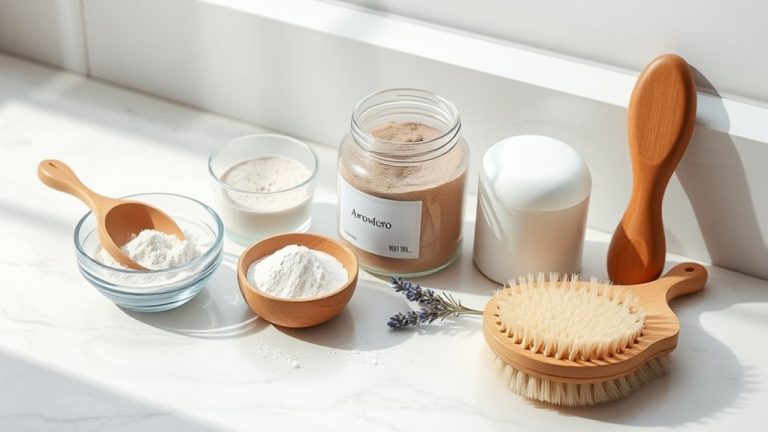
- Product type and formulation: Aerosol sprays like those from Living Proof offer even application and superior oil absorption. Powders suit targeted use for specific hair types. Choose color-safe, sulfate-free formulas to protect your hair.
- Ingredients: Look for rice starch and hydrated silica. These absorb oil effectively without weighing hair down.
- Tools: Use a dense boar-bristle brush to distribute dry shampoo evenly and reduce residue. A blow dryer can also help activate the product for a polished finish.
Selecting the right dry shampoo and tools ensures ideal oil absorption and a fresh, residue-free look every time.
How To Maintain Healthy Hair While Using Dry Shampoo
Although dry shampoo offers a quick fix for oily roots, you need to apply it only to completely dry hair to prevent buildup and scalp irritation.
Apply dry shampoo only to fully dry hair to avoid buildup and scalp irritation.
To maintain scalp health, limit how often you use dry shampoo to 2-3 times per week. Frequent use can cause product buildup, leading to clogged pores and dry hair.
Incorporate clarifying shampoos regularly to remove residue and keep your scalp clean.
Balance dry shampoo use with conditioning treatments or hair masks to keep hair moisturized and prevent brittleness.
Furthermore, gentle scalp massages or exfoliators help dislodge dirt and oil, promoting a healthy scalp environment.
Following these steps ensures you enjoy the convenience of dry shampoo without compromising your hair’s health.
Frequently Asked Questions
Can Dry Shampoo Replace Regular Shampoo Entirely?
No, dry shampoo can’t replace regular shampoo entirely. You’ll notice hair residue and scalp buildup if you rely on it alone, which harms scalp health.
While dry shampoo offers fragrance effects and convenient application techniques, it lacks the cleansing power needed for thorough dirt and oil removal.
Consider product compatibility and ingredient safety when choosing dry shampoos, and be mindful of environmental impact.
Use dry shampoo as a supplement, not a full substitute. It’s a handy fix, but it doesn’t do the deep clean your hair really needs.
How Often Should I Use Dry Shampoo Weekly?
Think of dry shampoo like watering a plant. You wouldn’t soak it daily without letting the soil breathe.
You should use dry shampoo 2-3 times a week for hair refreshment, oil control, volume boost, odor elimination, and as a styling aid.
Using it too much can cause product buildup and harm your scalp health. So, listen to what your hair needs.
Balance dry shampoo with regular washing to keep your scalp fresh and your style vibrant.
Does Dry Shampoo Affect Hair Color or Dye Longevity?
Yes, dry shampoo can affect hair color fading and dye longevity impact, especially on color treated hair. Frequent use may cause buildup that interferes with pigment retention and reduces dye durability.
To support hair color preservation and fading prevention, you should choose color-safe dry shampoos and avoid heavy application. Proper use helps maintain your hair’s vibrancy and extends the life of your dye by minimizing residue that dulls color.
Can Dry Shampoo Help With Scalp Conditions Like Dandruff?
Sure, dry shampoo can “magically” hide your flaky scalp and oily scalp symptoms, but it won’t cure seborrheic dermatitis or scalp irritation.
If you rely on it, product buildup might worsen sensitive skin issues and harm hair follicle health.
Instead, use medicated shampoos designed for dandruff.
Dry shampoo’s a quick fix, not a treatment, so don’t let it delay proper care or consultation with a dermatologist for real relief.
Is Dry Shampoo Safe for All Hair Types and Textures?
Dry shampoo is generally safe for all hair textures, but you should consider your hair porosity before use.
If your hair porosity is high, dry shampoo might build up faster, so use it sparingly.
For low porosity hair, choose lightweight formulas to avoid residue.
Fine or thin hair benefits from volume, while coarser textures may need specific products.
Always tailor dry shampoo use to your hair porosity and texture for best results.
It really helps to pay attention to what your hair needs!
Conclusion
So, you’re tempted to spritz dry shampoo on wet hair? Sure, why not turn your scalp into a starch gel science experiment? But seriously, unless you enjoy clumpy, cakey messes, stick to dry strands.
Dry shampoo loves dryness. Wet hair just doesn’t make the cut. Use it wisely, or you’ll end up with residue that screams “I tried.”
Keep your hair healthy, fresh, and residue-free by respecting the dry shampoo’s delicate dance with dryness.