Do You Have To Use Conditioner After Shampoo – Hair Care Advice
You don’t have to use conditioner after shampoo every time, but it’s highly recommended to restore moisture and smooth your hair cuticle. Shampoo cleanses but can strip natural oils, so applying conditioner afterward helps lock in hydration, reduce frizz, and protect against damage.
For fine or oily hair, you might try conditioner before shampoo or co-washing with gentle formulas. If you want healthier, shinier hair, understanding the best way to use conditioner will really benefit you.
Should You Use Conditioner Before Or After Shampoo?
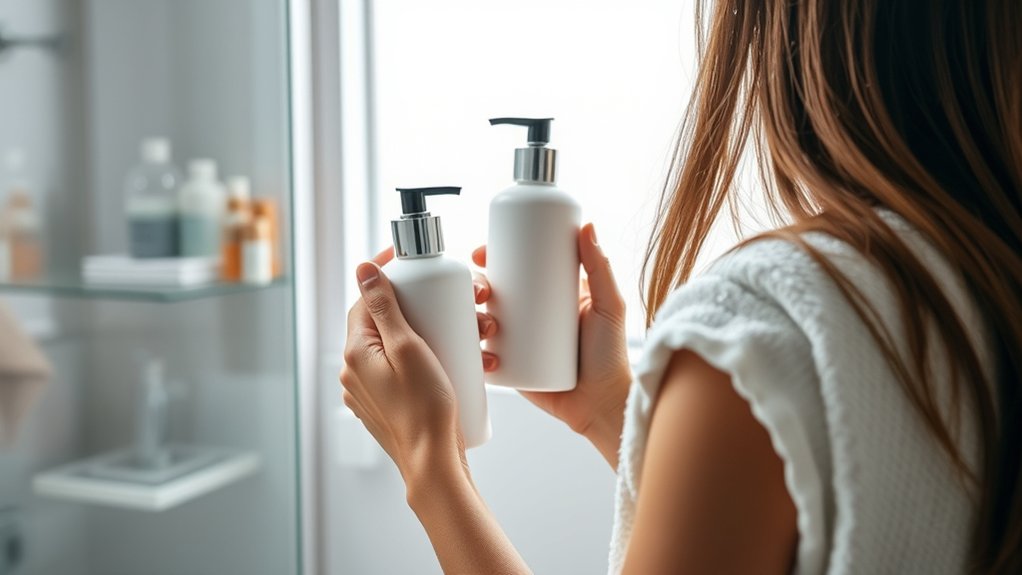
When should you apply conditioner in your hair care routine? Traditionally, you use shampoo first to cleanse the scalp and remove product buildup.
Then, you apply conditioner to hydrate and protect your hair.
However, reverse washing, which means applying conditioner before shampoo, can work well if you have fine hair. It adds lightweight softness without weighing your strands down.
Reverse washing—conditioner before shampoo—softens fine hair without adding weight.
For those with very dry or textured hair, a cleansing conditioner that skips shampoo altogether offers gentle cleansing while locking in moisture.
Choosing the right conditioner matters. Light, sulfate-free formulas suit reverse washing best, while heavier masks might weigh your hair down if misused.
Tailoring when and how you use conditioner supports your scalp’s health and keeps your hair balanced.
That way, your hair care routine matches your unique needs.
How Shampoo And Conditioner Work Together
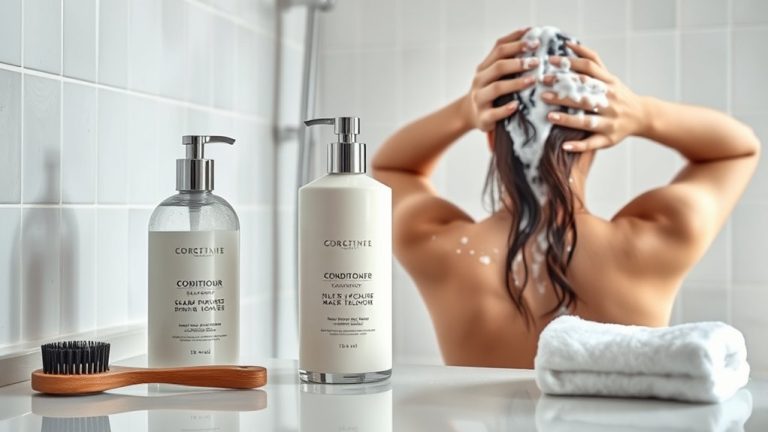
You’ll find that shampoo and conditioner work hand in hand—shampoo cleanses your scalp, getting rid of dirt and oil, while conditioner steps in to restore moisture and smooth your hair.
Using them in the right order really makes a difference because it helps keep your hair hydrated and easier to manage.
When you use both together, you’re supporting healthier, shinier hair that’s way easier to style and less likely to get damaged.
Complementary Functions Explained
Although shampoo effectively cleanses your scalp and hair by removing dirt and oil, it can raise the hair cuticle and strip away moisture. Shampoo cleanses the scalp thoroughly but leaves hair vulnerable to dryness and damage.
That’s where conditioner steps in. It smooths the cuticle, locks in moisture, and helps restore what shampoo may have stripped away. By nourishing beneath the cuticle and forming a protective layer on the hair strands, conditioner prevents dryness and reduces breakage.
Using both products together leads to improved hair manageability, reduces tangling, and enhances shine. This complementary process keeps your hair balanced, healthy, and resilient against environmental stressors.
Moisture Restoration Process
Since shampoo removes dirt and excess oils by lifting the hair cuticle, it can leave your hair feeling dry and vulnerable. While shampoo removes impurities and helps cleanse your scalp, it also strips away natural moisture. This can cause dryness and frizz.
That’s where conditioner helps. It works to restore moisture by smoothing the cuticle and locking in hydration, which keeps your hair feeling soft and healthy.
Conditioner also aids in detangling hair, reducing friction that leads to breakage and split ends. This is especially important when your hair is wet and more fragile.
Using both shampoo and conditioner together balances cleansing with hydration. It supports long-term healthy hair and leaves you with a nourished, resilient texture after every wash.
Enhancing Hair Manageability
How exactly do shampoo and conditioner work together to make your hair more manageable? Shampoo cleanses your scalp and hair, removing dirt, oil, and product buildup. Conditioner follows by restoring hydration and smoothing the cuticle, which enhances manageability and reduces frizz.
This combination helps seal the cuticle, reflecting light and adding shine to your hair texture. By choosing the right conditioner for your specific hair types, you can maximize these benefits, making hair easier to comb and style.
Regular use of both products not only improves manageability but also minimizes breakage, supporting ideal hair health over time. Incorporating conditioner after shampooing is essential to maintain hydrated, frizz-free, and healthy hair that’s easier to manage day after day.
Benefits Of Using Conditioner After Shampoo
When you use conditioner after shampoo, you help restore the moisture that shampoo often strips away from your hair and scalp. Conditioner plays an important role in your hair care routine by smoothing the hair cuticle, which reduces frizz and boosts shine.
By sealing in hydration and delivering essential nutrients, it makes hair easier to manage. Detangling and styling become simpler, and it helps minimize breakage too.
Plus, conditioner forms a protective barrier that shields your hair from environmental damage and heat styling. This helps keep your hair healthy and strong over time.
Hair Types That Benefit Most From Conditioner After Shampoo
Conditioner plays an essential role in maintaining healthy hair, but its benefits can vary depending on your hair type. If you have curly hair, use conditioner to retain moisture and reduce frizz.
Fine hair benefits from lightweight conditioners that prevent tangling without weighing hair down. Color-treated hair needs conditioning agents to protect the cuticle and preserve color.
Coarse hair thrives with conditioners that smooth and add shine. For damaged hair, deep conditioners in your hair routine repair and strengthen strands.
| Hair Type | Benefits of Conditioner | Recommended Product Type |
|---|---|---|
| Curly Hair | Moisture retention, frizz control | Hydrating conditioner |
| Fine Hair | Detangling, lightweight care | Light conditioner |
| Color-Treated Hair | Color protection, cuticle repair | Color-safe conditioners |
| Coarse & Damaged Hair | Smoothness, damage repair | Deep conditioners |
What Happens If You Skip Conditioner?
Although shampoo cleanses your hair, skipping conditioner can leave it dry and frizzy because you miss out on the essential moisture and smoothing benefits that conditioner provides.
Without conditioner, your hair loses crucial protection and moisture, which impacts overall hair health. You might notice more tangles and increased breakage, making your hair harder to manage.
Over time, skipping conditioner can worsen split ends and cause scalp issues due to imbalance.
Here’s what happens if you skip conditioner:
- Hair becomes dry and frizzy
- Increased tangles and breakage
- Loss of natural shine as the cuticle stays open
- Greater risk of split ends and damage
- Potential scalp dryness and irritation
Using conditioner helps protect your hair, maintain moisture, and keep it healthy and shiny.
Choosing The Right Conditioner For Your Hair Type
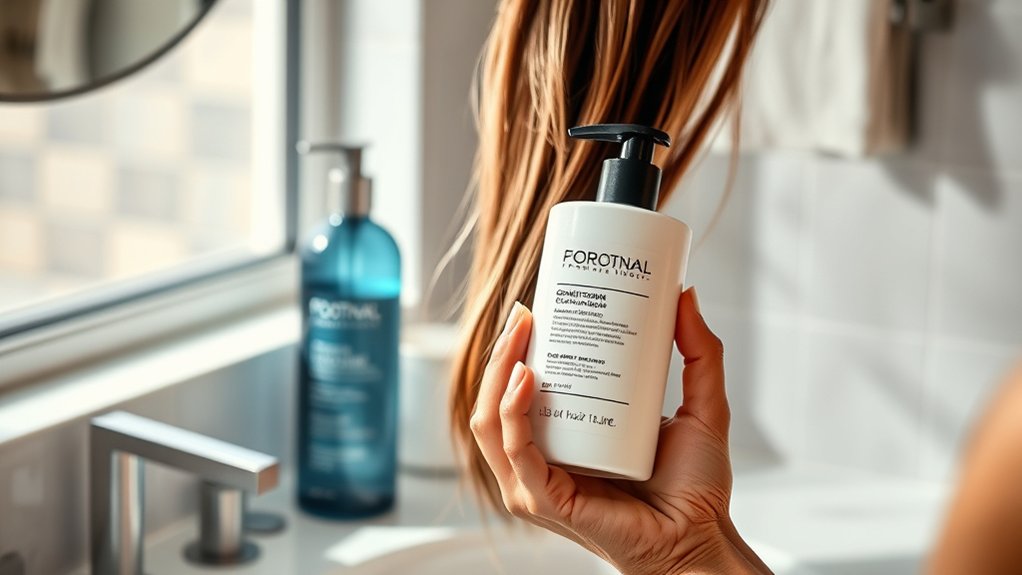
Since every hair type has unique needs, selecting the right conditioner can make a significant difference in your hair’s health and appearance.
If you have fine hair, choose lightweight conditioners to avoid weighing your hair down. Apply conditioner mainly to the ends to keep your hair looking fresh and bouncy.
For thick hair, opt for products that provide deep moisture. Consider layering treatments for peak nourishment—it really helps keep your hair soft and manageable.
Moisturizing conditioners work best for dry or curly hair. Apply them from mid-length to ends to boost hydration and reduce frizz.
If your hair is color-treated, pick conditioners designed to protect color and extend vibrancy.
Also, incorporating sulfate-free options into your hair care routine helps retain natural oils, especially if you have a sensitive scalp or dry hair.
Tailoring your conditioner choice guarantees your hair stays healthy, manageable, and vibrant. It’s all about finding what works best for you!
How To Apply Conditioner For Best Results
To get the best results, start by applying conditioner mainly from the mid-lengths to the ends—this is where your hair really needs it.
Then, let it sit for a few minutes so it can fully absorb.
After that, gently comb it through to avoid any breakage.
Finally, rinse with cool water to lock in moisture and give your hair a nice boost of shine.
Easy, right?
Application Techniques
Three simple steps can transform how you apply conditioner to get the best results.
First, use conditioner wisely by applying it from mid-lengths to ends, avoiding roots to prevent greasiness.
Next, allow the conditioner to sit for 1-3 minutes; this lets the nourishing ingredients penetrate the hair shaft and leave hair soft.
Finally, rinse thoroughly to remove residue and seal the cuticle.
To maximize effectiveness, follow these application techniques:
- Apply from mid-lengths to ends, not roots
- Conditioning first on damp hair after shampoo
- Allow the conditioner to sit for peak absorption
- Distribute evenly using fingers or a wide-toothed comb
- Rinse thoroughly with cool water
These steps guarantee your hair stays healthy, hydrated, and easy to manage.
Timing and Rinsing
Although shampooing cleans your scalp and hair, it also strips away natural oils and roughens the cuticle. So, applying conditioner immediately afterward is vital to restore moisture and smooth the strands.
After shampooing, rinse your hair thoroughly to remove excess product and prepare your hair strands to enhance absorption. When you apply conditioner, focus on the mid-lengths to ends, avoiding the roots to prevent greasiness and residue buildup. This is especially important if you have fine hair.
Let the conditioner sit for 1 to 3 minutes. This pause locks in moisture and improves texture.
Finally, rinse completely to keep your hair feeling light and clean.
Proper timing and rinsing guarantee you get the best results and maintain healthy, manageable hair.
Using Conditioner Without Shampoo: Pros And Cons
When you skip shampoo and use conditioner alone, a method called co-washing, you can gently cleanse and hydrate very dry or textured hair without stripping away its natural oils.
Using conditioner this way has notable pros and cons you should consider. Co-washing can boost moisture retention and reduce frizz. It’s ideal for curly or coily hair needing extra hydration.
Co-washing helps lock in moisture and tame frizz, perfect for curly or coily hair seeking extra hydration.
However, it may not effectively remove heavy product buildup or oils, especially if you have oily scalps or frequently use styling products. To maintain scalp health, incorporating clarifying shampoos occasionally is essential.
Also, choosing a lightweight conditioner helps avoid greasiness.
Keep these points in mind:
- Hydrate hair without harsh stripping
- Enhance moisture retention
- Risk product buildup over time
- Not ideal for oily scalps
- Use clarifying shampoos periodically
Limitations Of 2-In-1 Shampoo And Conditioner
When you use a 2-in-1 shampoo and conditioner, you might find that your hair doesn’t feel completely clean or as well-conditioned as you’d like.
It’s pretty common because these products often can’t deliver the same level of care as using separate shampoo and conditioner that are specifically designed for your hair type.
Knowing these limitations can actually help you make smarter choices and keep your hair healthier and easier to manage.
Cleansing And Conditioning Issues
Two common issues come up when using 2-in-1 shampoo and conditioner products: not cleansing well enough and not conditioning enough. When you rely on these hybrid products, you might end up with a scalp that isn’t properly cleaned or hair that doesn’t get enough moisture. This can lead to scalp problems and dryness.
The conditioning ingredients in 2-in-1s can block hair follicles, which causes buildup and makes cleansing less effective. So, to keep your hair healthy, it’s usually better to use shampoo and conditioner separately. A two-step system works best.
Keep in mind that 2-in-1 products often contain harsh or weak cleansing agents. They can cause buildup on your scalp and hair, provide not enough conditioning, block moisture absorption, and increase your risk of scalp irritation.
Using separate shampoo and conditioner helps you get better cleansing and conditioning results. That way, your hair stays healthy and easier to manage.
Performance Compared To Separates
Although 2-in-1 shampoo and conditioner products offer convenience, they often fall short compared to using separate products. When you rely on 2-in-1 products, the balance between cleansing and conditioning can be off. This may leave your scalp either under-cleansed or your hair under-conditioned.
Conditioning agents in these formulas can block hair follicles, reducing moisture absorption and causing product buildup that affects hair health.
Separate shampoo and conditioners let you target each step more effectively. Shampoo focuses on deep cleansing the scalp without stripping, while conditioners provide the nourishment your hair needs.
This two-step approach delivers better results. It helps keep your scalp healthy and your hair feeling clean, light, and well-conditioned.
For ideal hair care, using separate shampoo and conditioners is usually the better choice.
Common Conditioner Mistakes And How To Avoid Them
Why does your conditioner sometimes leave your hair feeling heavy or greasy? It often comes down to a few common mistakes.
To avoid weighing down fine hair or causing greasiness, you should:
Apply a small amount of conditioner, focusing on mid-lengths and ends rather than roots.
Use a matching shampoo and conditioner system for best results.
Rinse thoroughly to remove all residue that can coat hair and cause heaviness.
Never skip conditioner, as it helps prevent dry brittle hair by maintaining hydration.
Avoid applying conditioner directly to the scalp, which can lead to unwanted oiliness.
Frequently Asked Questions
Can Conditioner Cause Scalp Acne or Irritation?
Yes, conditioner can cause scalp acne or irritation if it disrupts your scalp hygiene or leads to product buildup.
If you have sensitive skin or specific hair porosity, certain ingredients might act as acne triggers.
To protect your scalp’s pH balance and ingredient safety, avoid heavy oils or silicones and apply conditioner mainly to hair ends.
Regular scalp exfoliation helps prevent irritation and keeps your hair texture healthy.
It’s all about finding the right products and routine that work for your scalp type.
That way, you can enjoy the benefits of conditioner without any unwanted side effects.
How Does Water Temperature Affect Conditioner Effectiveness?
Water temperature plays an essential role in conditioner absorption and hair cuticle health. Using warm water opens the cuticle, improving conditioner penetration, while a cooler rinse temperature helps seal it. This locks in moisture and enhances scalp hydration.
Proper temperature regulation also prevents product buildup and adapts to your hair porosity.
Are Natural or Homemade Conditioners as Effective as Commercial Ones?
Natural conditioners can be just as effective as commercial ones, like a garden fresh bloom versus a store-bought bouquet.
Homemade recipes offer ingredient benefits tailored to your hair types and scent preferences, often at a lower cost.
With proper application techniques and storage tips, they nourish without buildup, reducing environmental impact.
User testimonials praise their gentle care, proving that nature’s touch rivals synthetic blends while supporting your hair’s unique needs beautifully.
Can Conditioner Help With Hair Growth or Scalp Health?
Yes, conditioner can help with hair growth and scalp health by improving scalp hydration and maintaining pH balance.
When you choose the right ingredients, it supports scalp circulation and follicle stimulation, which enhances nutrient absorption.
This boosts hair thickness and strengthens hair texture. Plus, regular use prevents product buildup that can block follicles.
So, using conditioner thoughtfully contributes to a healthier scalp environment and better hair growth over time.
It’s all about picking the right formula and sticking with it consistently.
How Often Should Deep Conditioning Treatments Be Done?
You should adjust your deep conditioning frequency based on your hair type. Once a week works for most people, but very dry hair might need treatments twice a week.
Seasonal hair care matters too. You’ll want to increase treatments in winter to help your hair retain moisture.
To avoid product buildup, make sure to clarify your scalp first. Apply treatments on clean hair and focus on the ends.
Also, consider DIY deep conditioners if you want extra nourishment. The best time to apply them is right after shampooing for scalp health and maximum absorption.
Conclusion
You might think skipping conditioner after shampoo will save time, but your hair will quickly remind you otherwise. Dry, tangled, and unmanageable strands are no fun at all.
Ironically, that “quick rinse” often means more effort later. Conditioner isn’t just a luxury; it’s your hair’s best friend, restoring moisture and smoothness shampoo can strip away.
So, if you want hair that’s easy to style and healthy-looking, don’t skip conditioner. It’s the finishing touch your hair actually deserves.