Can You Use Human Shampoo On Cats – Risks And Safer Options
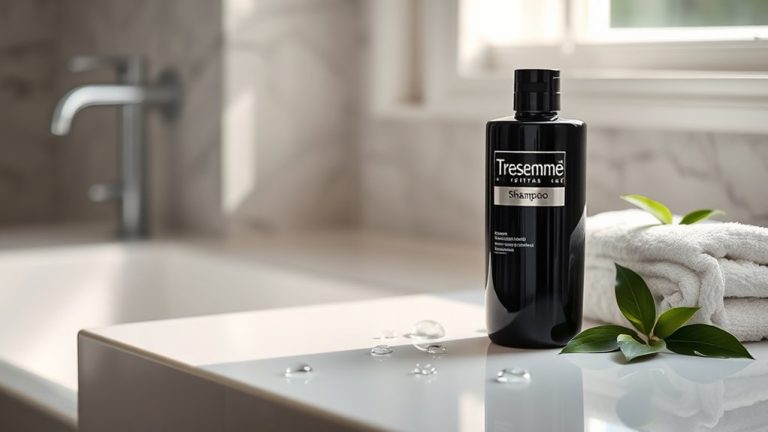
You shouldn’t use human shampoo on your cat because its pH and ingredients can irritate their sensitive skin and cause dryness, redness, or even toxic reactions if ingested. Human shampoos often contain sulfates, fragrances, and dyes that are harmful to cats.
Instead, choose cat-specific, hypoallergenic shampoos designed for their skin’s pH. Bath your cat only when necessary, using gentle techniques to keep them comfortable and healthy.
Keep exploring for tips on safe grooming and skin care. It’s all about making sure your furry friend feels good and stays safe!
Why Human Shampoo Is Unsafe for Cats
Although you might think human shampoo is a convenient option, it’s actually unsafe for cats because their skin has a different pH balance than ours.
Human shampoos are formulated for a pH around 5.5, but cats’ skin pH ranges between 6.5 and 7.5, making these products incompatible.
The ingredients in human shampoos, such as fragrances, sulfates, and parabens, can irritate your cat’s skin, causing dryness or allergic reactions.
These chemicals also strip away the essential oils that maintain your cat’s natural skin barrier, leaving their skin vulnerable.
Plus, some human shampoos contain toxic dyes and essential oils that cats might ingest while grooming, which could lead to poisoning.
When Should You Bathe Your Cat?
Since human shampoos can harm your cat’s skin, it’s important to know when bathing is truly necessary. Generally, cats groom themselves well, so you only need to bathe your cat if they’re heavily soiled, sticky, or have skin conditions requiring medicated shampoo.
Human shampoos can harm cats, so bathe only when they are very dirty or need medicated care.
Cats infested with fleas also benefit from a bath.
Long-haired breeds or cats prone to matting need periodic baths to keep their coats healthy and tangle-free.
Moreover, if your cat has health issues like obesity or arthritis that limit their grooming ability, bathing can help maintain hygiene.
In stressful or complex cases, consider professional grooming services to ensure your cat’s safety and comfort during the bath.
Knowing when to bathe your cat helps protect their delicate skin and overall well-being.
Health Risks of Using Human Shampoo on Cats
When you use human shampoo on your cat, you risk irritating their skin because these products are designed for a different pH level than feline skin. Cats have a skin pH between 6.5 and 7.5, while human shampoos target around 5.5. This mismatch can cause skin irritation, dryness, and disrupt their natural skin barrier.
Plus, leftover shampoo may be ingested during grooming, which can be toxic for your cat.
| Risk | Effect on Cat | Your Emotional Response |
|---|---|---|
| Skin pH imbalance | Dry, flaky, itchy skin | Concern for your cat’s comfort |
| Harsh ingredients | Allergic reactions, infections | Worry about long-term damage |
| Toxic ingestion | Gastrointestinal distress | Fear for your cat’s safety |
Safe Cat Shampoo Alternatives and How to Choose Them
If you want to keep your cat’s skin healthy and avoid the risks associated with human shampoos, choosing a shampoo designed specifically for cats is essential. Look for safe alternatives with a pH balance between 6.2 and 7.2 to prevent irritation.
Opt for hypoallergenic, fragrance-free, and dye-free formulas to reduce allergic reactions.
For cats with skin conditions, vet-prescribed medicated shampoos are the best choice and should be used as directed.
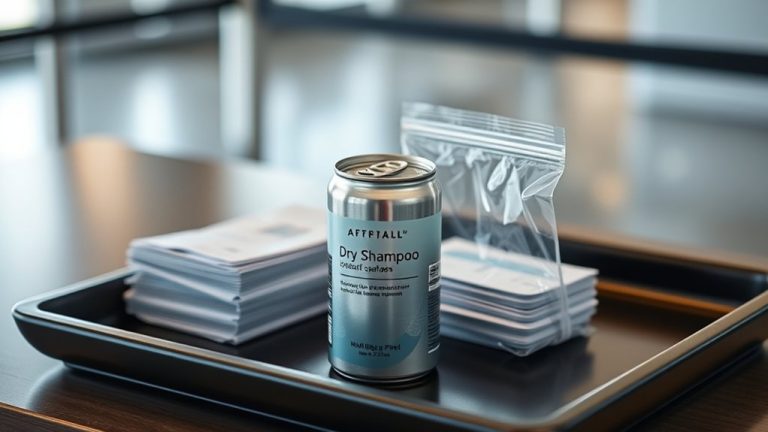
You can also consider waterless or dry shampoos like foams and powders for gentle grooming without water.
DIY oatmeal-based shampoos, approved by your vet, offer soothing options for sensitive skin.
Tips for Bathing Your Cat Safely
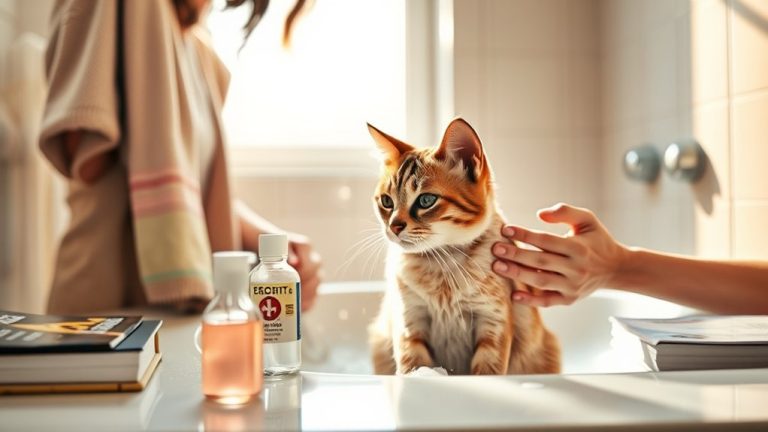
Although bathing a cat can seem challenging, using the right techniques helps make the experience safer and less stressful for both of you. Start by preparing all your supplies—cat shampoo, towels, and drying tools—beforehand to guarantee smooth bathing.
Use lukewarm water and gentle massage motions to avoid stressing or injuring your cat.
Rinse thoroughly to remove all shampoo, since leftover residue can cause skin irritation or ingestion issues.
Speak in a calm, soothing voice and offer treats or praise to create positive associations with bath time.
After bathing, dry your cat completely with a soft towel or a low-heat dryer to prevent chills and skin problems.
Following these cat care tips will help keep your feline healthy and comfortable during bathing. It might take a little patience, but your cat will thank you for making bath time a better experience!
What to Do if You’ve Used Human Shampoo on Your Cat
Because human shampoo can contain ingredients harmful to cats, you should act quickly to rinse your cat thoroughly with lukewarm water to remove any residue. This helps minimize the risk of skin irritation, which may present as redness, dryness, itching, or excessive scratching.
After rinsing, keep a close eye on your cat for any unusual behavior or signs of distress. Avoid applying any additional products or treatments unless your veterinarian recommends them. Doing more could actually make the irritation worse.
If you notice persistent skin irritation or if you’re unsure about how your cat is reacting, schedule a veterinary check-up right away.
Taking these steps helps make sure your cat stays safe and comfortable while preventing any potential problems from using human shampoo on their sensitive skin.
Alternative Ways to Keep Your Cat Clean Without Shampoo
When you want to keep your cat clean without risking irritation from human shampoo, several gentle alternatives can help maintain their hygiene effectively. You can use pet wipes or a damp cloth with plain warm water to remove dirt and grime between baths. This way, you minimize the need for shampoo.
Waterless shampoos specifically formulated for cats offer a quick and safe cleaning option without water, making them ideal for sensitive skin. Regular brushing also plays a key role in removing loose fur, dirt, and debris. It keeps your cat’s coat healthy and clean.
Furthermore, vet-approved DIY oatmeal-based waterless shampoos can soothe irritated skin while cleansing gently. These methods provide safe, practical ways to maintain your cat’s cleanliness without exposing them to harsh chemicals. They’re pretty easy to use, too!
How to Maintain Your Cat’s Skin and Coat Health
To keep your cat’s skin and coat healthy, it’s important to focus on proper bathing techniques and pick shampoos made just for cats.
Regular grooming does more than keep their fur shiny—it also helps you catch any skin problems early on.
Proper Bathing Techniques
Although bathing a cat might seem intimidating, following proper techniques can make the process smoother and more comfortable for both you and your pet. You’ll want to prepare carefully to maintain your cat’s skin and coat health.
First, brush your cat before bathing to remove loose fur and tangles. This helps prevent matting and lets the shampoo reach the coat better.
Next, use lukewarm water with a gentle stream to wet the coat. Apply a small amount of pet-specific shampoo and massage it in gently without scrubbing too hard.
Then, rinse thoroughly with lukewarm water to get rid of all the shampoo. This avoids skin irritation and reduces the chance your cat will ingest any residue.
Finally, dry your cat with a soft towel or a low-heat dryer. Don’t forget to reward them with treats—it helps create positive associations with bath time.
These simple steps keep your cat comfortable and their coat clean and healthy. It’s easier than you might think once you get the hang of it!
Choosing Safe Shampoos
Since your cat’s skin is more sensitive than yours, choosing the right shampoo is essential to keeping their coat healthy and irritation-free. Always opt for cat-specific shampoos formulated to match their skin pH, typically between 6.5 and 7.5. This helps maintain their natural skin balance.
Look for hypoallergenic products that are fragrance-free and dye-free to minimize allergic reactions or irritation. Avoid shampoos with sulfates, parabens, essential oils, or artificial dyes, as these ingredients can harm your cat’s delicate skin.
If your cat has a skin condition, veterinarians may recommend medicated shampoos designed for safe treatment. Using these carefully selected shampoos supports your cat’s skin health, prevents discomfort, and promotes a shiny, healthy coat you’ll both appreciate.
Regular Grooming Benefits
When you groom your cat regularly, you help spread their natural oils evenly across the coat, which keeps it shiny and healthy. Regular grooming plays a vital role in maintaining your cat’s skin health and overall well-being. It prevents common issues like matting, irritation, and dryness while promoting a balanced skin pH.
Here’s how consistent grooming benefits your cat:
- Distributes natural oils, enhancing the cat’s coat shine and softness.
- Removes loose hair, dirt, and debris to reduce skin infections and allergies.
- Prevents matting and tangles, minimizing discomfort and the need for baths.
- Stimulates blood circulation and helps detect skin issues or parasites early.
Frequently Asked Questions
Can Kittens Be Bathed With Human Shampoo?
You shouldn’t bathe kittens with human shampoo because their sensitive skin reacts poorly to harsh ingredients. For kitten grooming, it’s essential to use products designed for their delicate skin pH.
A safe bathing routine involves gentle, cat-specific shampoos that protect their natural oils and prevent irritation.
Prioritizing cat skin sensitivity helps avoid dryness, flakiness, and discomfort. This way, your kitten stays healthy and comfortable during grooming sessions.
It’s all about keeping their little skin happy!
How Often Can You Bathe a Cat Safely?
You should bathe your cat only when necessary, typically every few months, to maintain proper cat hygiene without disrupting their natural oils.
Bath frequency depends on your cat’s coat length and lifestyle. Short-haired cats or those that groom themselves usually need fewer baths.
Over-bathing can harm their skin, so it’s better to focus on regular pet grooming like brushing.
Always watch your cat’s skin condition. And if you’re unsure about how often to bathe them, just check with your vet.
Are There Any Natural Ingredients Safe for Cat Baths?
Yes, you can use natural ingredients safe for cat baths, but you must prioritize ingredient safety because cats are sensitive to chemicals. Organic remedies like colloidal oatmeal gently soothe the skin.
Coconut oil moisturizes without harmful additives, which is great.
Baking soda diluted in water neutralizes odors without causing irritation.
Pure aloe vera gel can calm minor irritations, too.
Just remember, always check with your vet before trying any homemade shampoo.
They can confirm if these options suit your cat’s specific needs. It’s better to be safe and keep your furry friend comfortable!
Can Human Conditioner Be Used on Cats?
Using human conditioner on your cat is like pouring salt in a wound. It can disrupt feline skin health and cause irritation.
The shampoo ingredients in human products aren’t designed for pet grooming. They may strip your cat’s natural oils, leading to dryness or dullness.
Instead, choose conditioners formulated specifically for cats to keep their coat shiny and their skin balanced.
This way, your furry friend stays comfortable and healthy.
What Symptoms Indicate a Shampoo Allergy in Cats?
You’ll notice symptoms like red, inflamed skin, persistent itching, and rashes when your cat has a shampoo allergy. Swelling or hives around the face, ears, and paws are common too. Excessive licking or grooming signals discomfort.
Dry, flaky skin or open sores may develop, leading to hair loss or infections. Consider allergy testing to pinpoint triggers.
Follow gentle grooming tips, and choose alternative products designed specifically for cats to keep them safe and comfortable.
Conclusion
Just like you wouldn’t wear shoes meant for someone else, your cat’s skin needs care tailored just for them. Using human shampoo can do more harm than good, so choose products designed specifically for cats to keep their coat healthy and safe.
Remember, a well-cared-for cat is like a well-tuned instrument: happy, balanced, and ready to purr. Always prioritize their unique needs, and you’ll both enjoy a healthier bond.