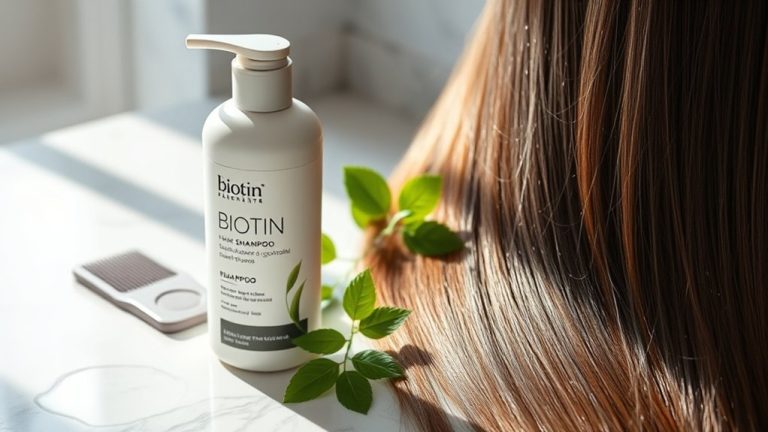
Is Shampoo For Hair – Purpose And Benefits Explained
You use shampoo to thoroughly cleanse your hair and scalp, removing dirt, oil, and buildup that can cause irritation and clogged follicles. Beyond cleansing, shampoos contain ingredients like proteins, vitamins, and oils that nourish, moisturize, and protect your hair from damage and environmental stressors.
Using the right shampoo helps maintain scalp balance and supports healthy hair growth. It can also address specific needs such as dandruff control.
Understanding these benefits makes it easier to optimize your hair care routine for lasting health and wellness. It’s all about giving your hair the care it deserves.
What Is Shampoo and How It Works
Although you might think shampoo simply cleans your hair, it actually serves a complex role by using surfactants to remove dirt, oil, and product buildup from your scalp and strands. When you apply shampoo, its surfactants create a lather that traps impurities, allowing them to be rinsed away with water effectively.
Shampoo uses surfactants to lift dirt and oil, cleansing both scalp and hair effectively.
This cleansing process targets both your scalp and hair without stripping away essential natural oils that maintain moisture balance.
Furthermore, shampoos often contain conditioning agents and active ingredients tailored to specific hair needs, whether for dandruff control or moisture enhancement. This helps ensure that your scalp stays healthy and your hair remains manageable.
Understanding how shampoo works can really help you choose formulations that cleanse thoroughly while preserving your hair’s natural integrity.
Why Cleansing Your Scalp and Hair Is Essential
You really need to cleanse your scalp and hair regularly. This helps get rid of dirt, extra oil, and product buildup that can clog your follicles and cause irritation.
Keeping your scalp clean is key to maintaining a balanced pH, which helps prevent dandruff and itchiness.
Plus, by managing pollutants and sweat, you’re setting up the best environment for healthier hair growth. It also keeps your scalp feeling fresh for longer.
Removing Dirt and Buildup
Because your scalp constantly accumulates dirt, excess oil, and product residue, cleansing with shampoo is essential to prevent buildup that can clog hair follicles and hinder healthy hair growth. Effective dirt removal through regular scalp cleansing eliminates environmental pollutants like dust and smoke, which contribute to follicle obstruction.
When you wash your hair and scalp properly, you reduce product buildup that can make hair appear greasy, dull, or weighed down. Maintaining this clean environment supports scalp health by minimizing dandruff and irritation risks. This creates ideal conditions for healthy hair development.
Maintaining Scalp Freshness
Maintaining scalp freshness goes beyond simply removing dirt and buildup; it involves preserving a balanced environment that supports hair health and comfort. Effective cleansing eliminates excess oil, dirt, and product residues that can clog hair follicles and cause irritation. By regularly washing, you help maintain a balanced scalp pH, which reduces dandruff and itchiness, crucial for ideal scalp health.
Cleansing also removes pollutants and sweat, promoting a breathable, fresh scalp environment conducive to hair growth. Importantly, using gentle shampoos ensures oil control without over-drying, preserving the scalp’s natural protective barrier.
This balance prevents greasy, lifeless hair while supporting overall scalp freshness and health. That’s why consistent, proper cleansing is essential for maintaining both your scalp and hair in peak condition.
Keeping up with this routine helps you feel fresh and keeps your hair looking and feeling its best.
The Role of Shampoo in Maintaining Scalp Health
How exactly does shampoo contribute to a healthy scalp environment? Shampoo helps cleanse the scalp by removing excess oil, dirt, and product buildup, which can clog hair follicles and disrupt scalp health.
By maintaining a balanced pH level, shampoo reduces common issues like dandruff and itchiness, supporting an ideal scalp environment.
Ingredients such as zinc pyrithione and ketoconazole in specialized shampoos combat fungi and bacteria, further enhancing scalp health.
Using gentle, sulfate-free formulas preserves the scalp’s natural moisture, preventing dryness and irritation that compromise the scalp barrier.
Moreover, proper shampooing stimulates blood circulation to the scalp, promoting nutrient delivery to hair follicles.
Together, these actions ensure a clean, balanced scalp environment that fosters healthy hair growth and overall scalp vitality.
How Shampoo Nourishes, Moisturizes, and Protects Hair
When you choose a shampoo enriched with natural oils, vitamins, and proteins, you actively support your hair’s repair and moisture restoration processes. Such formulations nourish damaged hair by delivering essential nutrients that strengthen hair strands, reducing breakage and split ends.
These natural oils penetrate the hair shaft, effectively moisturizing dry, brittle hair to minimize frizz while enhancing smoothness and shine.
Plus, the shampoo creates a protective barrier that shields your hair from environmental stressors, heat styling, and chemical treatments. This barrier helps maintain hair integrity and prevents further damage.
Choosing Shampoo Based on Your Hair Type
First, you want to figure out your hair type accurately. This helps you pick a shampoo that really suits what your hair needs.
Look for shampoos with ingredients that match your hair’s condition. For example, proteins are great if your hair is damaged, while natural oils work well for dryness.
By choosing the right formula, you’re giving your hair and scalp exactly what they need.
That way, your hair stays healthy, looks better, and feels great.
Hair Type Identification
Since different hair types have unique characteristics and needs, identifying your specific hair type is essential for selecting an effective shampoo. To identify hair accurately, assess your scalp condition and strand texture, noting whether your hair is oily, dry, curly, fine, or sensitive.
Each hair type presents distinct hair concerns requiring targeted solutions. For example, dry hair demands hydrating shampoos to restore moisture and reduce frizz, while oily hair benefits from clarifying formulas that deeply cleanse excess sebum.
Curly or textured hair needs sulfate-free, moisturizing shampoos to maintain curl definition and prevent dryness. Fine or thin hair requires lightweight, volumizing shampoos to add body without weighing strands down.
Tailored Shampoo Benefits
Numerous shampoo formulations exist to target the specific needs of various hair types, ensuring ideal care and improved hair health. Choosing a shampoo suitable for your hair type optimizes cleansing while addressing issues like dryness, oiliness, or damage.
For example, moisturizing shampoos benefit dry hair by replenishing hydration, whereas volumizing shampoos enhance fine hair’s body. Curly hair demands sulfate-free, moisture-rich shampoos to maintain curl definition and minimize frizz.
If you have color-treated hair, select color-protecting shampoos with gentle, sulfate-free ingredients to protect your hair’s vibrancy. Those with sensitive scalps should opt for mild, hypoallergenic formulas containing soothing agents to prevent irritation.
Tailoring your shampoo choice based on hair types not only protects your hair but also supports scalp health, ensuring effective hair care and improved appearance. It really makes a difference when you pick the right one for you.
Ingredient Selection Impact
Understanding the benefits of tailored shampoo choices naturally leads to examining how specific ingredients influence their effectiveness for different hair types. When selecting a shampoo, you should focus on ingredients that address your hair’s unique needs.
For dry hair, moisturizing agents like glycerin and aloe vera replenish hydration, restoring softness.
If you have a sensitive scalp or color-treated hair, sulfate-free shampoos with gentle surfactants prevent irritation and color fading.
To strengthen weak or damaged hair, look for active ingredients such as biotin and keratin, which improve hair shaft resilience.
Moreover, natural oils in shampoos support scalp health and enhance shine.
By choosing shampoos with targeted active ingredients, you ensure effective treatment that promotes ideal hair health and appearance tailored precisely to your hair type.
It’s all about picking what works best for you.
When and How Often Should You Wash Your Hair With Shampoo?
Although the ideal shampooing frequency varies depending on your hair type, washing your hair 2 to 3 times a week generally maintains scalp health without stripping away natural oils.
If you have oily hair, you’ll need to shampoo more often to manage excess sebum and prevent buildup.
On the other hand, if your hair is curly or dry, washing less often helps preserve moisture and prevent damage. Over-washing can disrupt your scalp’s natural barrier, leading to dryness and irritation.
Think about your lifestyle too, like how much you sweat or if you’re often exposed to pollution. These factors might mean you need to wash your hair more frequently.
If you have a sensitive scalp or dandruff, it’s a good idea to see a specialist who can recommend the best shampoos and washing schedules.
Specialty Shampoos for Travel and Convenience
Adjusting your shampoo routine to fit your lifestyle means thinking about how to keep up with hair care when you’re traveling or just having busy days. Specialty travel-sized shampoos offer a smart solution. They combine a lightweight, portable design with effective cleansing properties.
These handy products make it easy to maintain healthy hair without any extra hassle. Plus, they’re designed to meet airline liquid restrictions, so packing them in your carry-on is no problem.
The packaging is compact and lightweight, which helps reduce baggage bulk and makes using them on the go super convenient. Their formulas refresh your hair quickly while keeping essential nutrients and scalp balance intact.
Tips for Maintaining Healthy, Vibrant Hair With Shampoo
When you choose a shampoo tailored to your hair type, you help maintain an ideal moisture balance that prevents both dryness and excessive oiliness. Use a gentle, sulfate-free formula to minimize scalp irritation and preserve natural oils, supporting healthy hair growth.
Apply shampoo by massaging your scalp gently to enhance blood circulation and improve cleansing efficacy.
It’s a good idea to incorporate a clarifying shampoo occasionally to remove buildup and restore scalp health without stripping essential moisture.
Weekly use of nourishing hair masks repairs damage and boosts vibrancy by replenishing nutrients.
Finally, consult with a hair care professional to customize your shampoo routine, ensuring it addresses your specific scalp condition and hair needs.
Following these tips will help you maintain strong, vibrant hair with balanced moisture and minimal damage.
Frequently Asked Questions
Can Shampoo Cause Allergic Reactions or Scalp Irritation?
Yes, shampoo can cause allergic reactions or scalp irritation if you have ingredient sensitivity. Chemicals like fragrances, preservatives, or sulfates may trigger contact dermatitis or redness, itching, and inflammation.
Your scalp’s exposure to these irritants increases the risk of adverse effects, especially if you have sensitive skin. To minimize chemical exposure, always patch test new shampoos.
Also, try to opt for hypoallergenic, dermatologically tested formulas designed to reduce allergic reactions and scalp irritation.
How Should Shampoo Be Stored for Maximum Effectiveness?
Did you know that improper storage can reduce shampoo effectiveness by up to 30%? To maximize performance, keep your shampoo in a cool, dry place to maintain temperature stability. This simple step really makes a difference.
Also, use opaque packaging to protect the ingredients from light exposure. It’s a smart way to keep your shampoo working well for longer.
Don’t forget to seal the bottle tightly after each use and store it upright to avoid spills and contamination.
Be mindful of the product’s expiration date too. Once the formula degrades, it loses its effectiveness and might even cause scalp issues.
Are Natural or Organic Shampoos More Beneficial Than Regular Ones?
Yes, natural or organic shampoos are often more beneficial because they use herbal ingredients that gently cleanse without harsh chemical preservatives. They usually have lower sulfate content, which helps reduce scalp irritation and dryness.
Plus, they don’t contain synthetic fragrance additives, so they tend to minimize allergic reactions. These shampoos typically maintain balanced pH levels, which supports scalp health and hair strength over time.
Can Shampooing Affect Hair Color or Dye Longevity?
Yes, shampooing can really affect how long your hair color lasts and how quickly it fades. If you use shampoos with sulfates or harsh ingredients, it can damage your hair’s pigment and make the color fade faster.
To keep your color looking fresh, try to pick sulfate-free and color-safe shampoos. Also, washing your hair less often helps a lot.
Using the right shampooing techniques protects your hair cuticle. This keeps your color vibrant and extends the life of your dye.
Is It Necessary to Use Conditioner After Every Shampoo?
Think of your hair like a delicate fabric. Washing it strips away natural oils. You don’t always need conditioner after every shampoo; it depends on your hair texture, how often you wash, and the types of shampoo you use.
For example, oily scalps benefit from lighter conditioners. Dry hair needs richer formulas to keep your scalp healthy.
It really comes down to what your hair needs.
Conclusion
By understanding shampoo’s role in cleansing, nourishing, and protecting your scalp and hair, you can make informed choices tailored to your hair type. Imagine Sarah, who switched to a moisturizing shampoo designed for dry hair. Her scalp felt less irritated, and her strands became noticeably softer within weeks.
Regular, appropriate shampoo use supports scalp health and vibrant hair. It helps you maintain a balanced, resilient mane through everyday care and occasional deep cleansing. Taking a little time to choose the right shampoo really makes a difference.