Does Native Shampoo Cause Hair Loss – What Users Should Know
You won’t find scientific proof that Native Shampoo causes hair loss, though some users may see temporary shedding as their scalp adjusts. Its sulfate-free, gentle formula with natural ingredients like coconut oil and tea tree oil supports scalp health and reduces irritation. This can help prevent thinning.
Individual sensitivities are possible, so patch testing is wise. Understanding how its ingredients and pH balance work can help you choose the right care for your hair and scalp needs.
What Is Native Shampoo And How Does It Work?
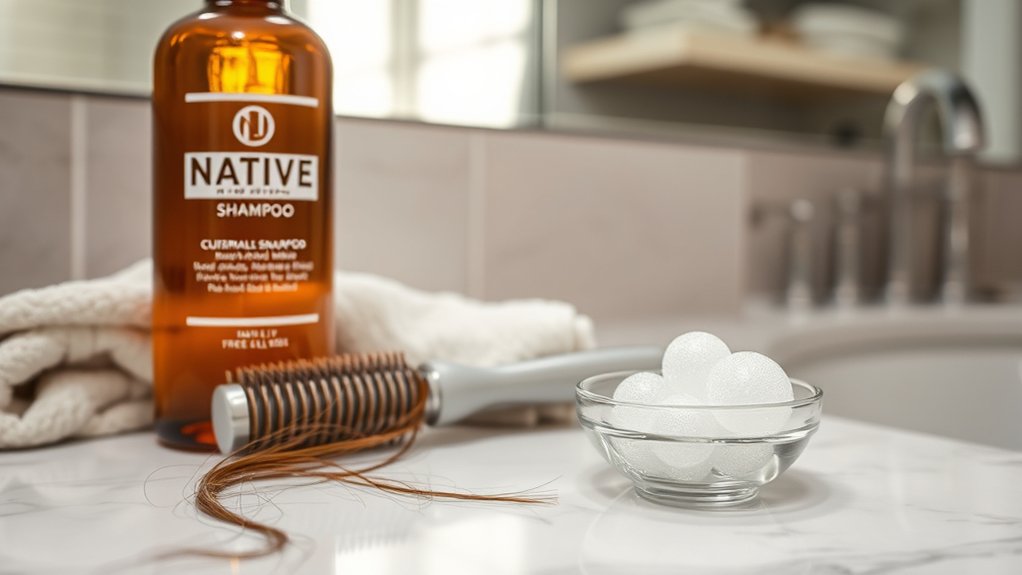
What makes Native Shampoo stand out is its commitment to gentle, natural cleansing. Native Shampoo uses natural ingredients like coconut oil, shea butter, and tea tree oil to cleanse your hair without harsh chemicals. It’s sulfate-free and paraben-free, so it avoids the aggressive surfactants that can strip your scalp’s natural oils.
Instead, it relies on mild cleansers such as sodium cocoyl isethionate. This balanced formula maintains a pH of 5.5-6.5, matching your scalp’s natural environment.
This supports gentle cleansing while preserving hair health.
Because of its plant-based, mild ingredients, Native Shampoo suits sensitive scalps and works well for daily use across various hair types. This thoughtful formulation helps you maintain clean, healthy hair without irritation or damage.
Which Ingredients Are In Native Shampoo And What Do They Do?
Because Native Shampoo relies on carefully selected natural ingredients, each component plays a specific role in maintaining your scalp and hair health. The Native shampoo ingredients combine natural oils and cleansing agents to guarantee effective hair nourishment and scalp care.
- Coconut oil and shea butter: These natural oils moisturize your hair, add shine, and reduce frizz, improving overall hair texture.
- Tea tree oil: Known for its anti-dandruff and soothing properties, it promotes scalp health and reduces irritation.
- Charcoal and peppermint oil: Charcoal detoxifies by removing excess oils and impurities, while peppermint oil stimulates blood flow, supporting healthy hair growth.
Together, these ingredients balance cleansing and nourishment to maintain a healthy scalp and vibrant hair. It’s a great combo that keeps your hair feeling fresh and looking lively.
Does Native Shampoo Cause Hair Loss?
Although some users may notice increased hair shedding when they start using Native Shampoo, current scientific evidence doesn’t support a direct link between the shampoo and hair loss. Hair shedding during initial use is often temporary and may result from your scalp adjusting to the new product or sensitivity to certain natural ingredients.
Native Shampoo’s sulfate-free formula is designed to be gentler, reducing scalp irritation that can contribute to hair thinning. However, individual reactions to fragrances or plant extracts in the shampoo might cause scalp irritation in sensitive users, potentially increasing shedding.
What Else Causes Hair Loss Besides Using Native Shampoo?
You should know that hormonal changes, like those during pregnancy or menopause, can really affect your hair growth.
On top of that, nutritional deficiencies—especially in iron, vitamin D, or protein—can weaken your hair and cause more shedding than usual.
And don’t forget about stress; it can trigger a condition where lots of hair follicles enter a shedding phase all at once, making hair loss even worse.
Hormonal Influences On Hair
When hormonal imbalances disrupt your body’s natural cycle, they can considerably impact hair growth and contribute to hair loss. Hormonal changes often play a vital role in hair thinning beyond shampoo use. Here are key hormonal influences to contemplate:
- Androgenetic alopecia results from elevated androgens like testosterone and dihydrotestosterone (DHT), causing inherited hair loss patterns.
- Conditions such as menopause and polycystic ovary syndrome (PCOS) trigger hormonal imbalances that accelerate hair thinning.
- Pregnancy, childbirth, and hormonal contraceptives cause temporary hair shedding due to fluctuating hormone levels.
If you notice persistent hair loss, it’s a good idea to check in with a healthcare professional. Evaluating hormonal influences can really help since these factors can markedly affect your hair’s health and growth cycle.
Nutritional Deficiencies Impact
Since hair health depends heavily on the nutrients your body receives, deficiencies in iron, vitamin D, zinc, and biotin can cause noticeable thinning and increased shedding. Nutritional deficiencies disrupt hair growth by impairing the hair follicle’s ability to produce strong strands.
A lack of essential fatty acids and protein further weakens hair structure.
Insufficient antioxidants like vitamins A, C, and E compromise scalp health, increasing vulnerability to hair loss.
Chronic malnutrition or restrictive diets can trigger telogen effluvium, a condition marked by excessive shedding.
To counteract these effects, you can improve your diet or consider dietary supplements that target these nutrient gaps.
Addressing nutritional deficiencies is a critical step to support healthy hair growth and minimize hair loss beyond external factors such as shampoo use.
Stress And Hair Loss
Nutritional health plays a significant role in maintaining strong hair, but it’s not the only internal factor that affects hair loss. Stress, for instance, can push hair follicles into a resting phase. This causes increased hair shedding, which is known as telogen effluvium.
It’s important to understand what else causes hair loss besides shampoo. Consider these factors:
- Stress impact: Physical or emotional stress disrupts the scalp’s normal cycle, leading to temporary hair loss.
- Internal health: Hormonal imbalances and medical conditions can weaken hair follicles, promoting shedding.
- Genetics: Androgenetic alopecia causes gradual hair thinning independent of external products.
Which Native Shampoo Ingredients May Cause Scalp Sensitivity?
Although Native Shampoo uses mostly natural ingredients, some components may cause scalp sensitivity in certain individuals. Fragrance elements like essential oils and artificial scents can trigger allergic reactions or irritation, especially if you have a sensitive scalp.
Native Shampoo’s natural ingredients may still cause scalp sensitivity, especially due to essential oils and artificial fragrances.
Coconut-derived cocamidopropyl betaine, commonly used as a gentle cleanser, might still cause dryness or irritation for some users. Moreover, preservatives and fragrance additives may contain allergens that heighten scalp sensitivity risks.
Natural extracts such as tea tree oil, despite their benefits, can sometimes lead to redness, itching, or burning sensations. Sodium salicylate, included for anti-inflammatory effects, also has the potential to provoke minor irritation.
If you experience discomfort, it’s wise to review the ingredient list carefully and consider patch-testing before regular use to minimize adverse reactions. Better safe than sorry, right?
How Does Native Shampoo’s Sulfate-Free Formula Affect Hair And Scalp?
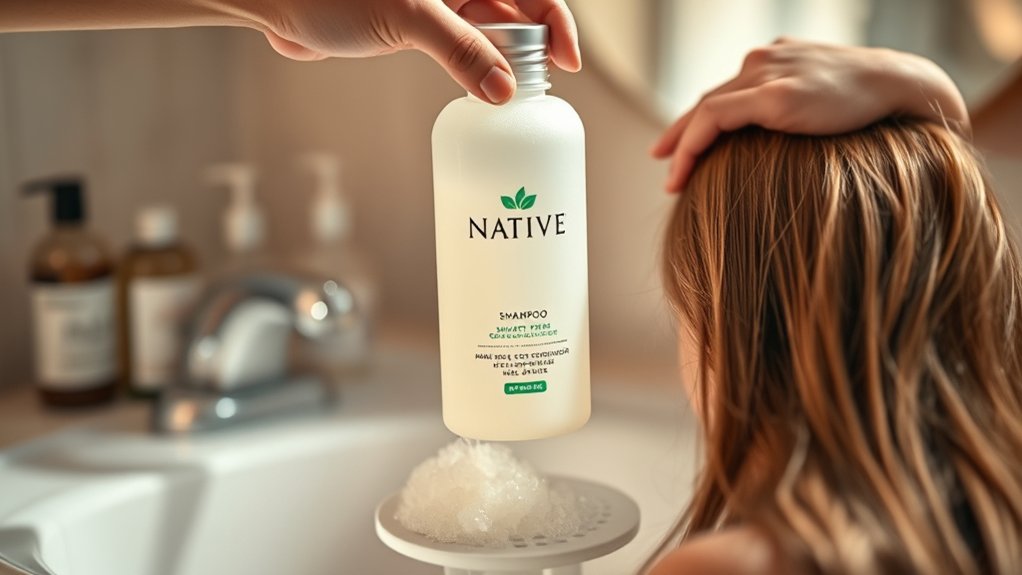
Understanding how specific ingredients affect your scalp is important, especially when you’re thinking about the cleansing agents in your shampoo. Native Shampoo’s sulfate-free formula uses mild surfactants like sodium cocoyl isethionate. These help preserve your scalp’s natural oils and support overall scalp health.
That said, sulfate-free shampoos mightn’t remove excess oil or product residue as effectively. This could sometimes lead to buildup on your scalp.
Here’s what to keep in mind:
- Sulfate-free formulas reduce scalp dryness and irritation compared to traditional shampoos.
- They produce less lather, which might make you feel like your hair and scalp aren’t fully clean.
- The shampoo’s pH (5.5-6.5) helps maintain your scalp’s natural acidity, promoting a healthy environment.
How Can You Tell Normal Shedding From Actual Hair Loss?
While losing some hair daily is normal, it’s important to recognize when shedding crosses into actual hair loss. Shedding usually involves losing up to 100 strands a day as part of the natural hair growth cycle.
You can tell hair loss apart when you notice a consistent decrease in hair volume, visible thinning, or bald patches. Pay attention to scalp changes, as hair loss may involve follicle miniaturization or permanent damage, unlike normal shedding where hair strands fall from the ends.
Temporary shedding spikes can happen after changing hair products but generally stabilize within weeks. Monitoring the pattern, amount of shedding, and any scalp changes helps you distinguish normal shedding from hair loss.
This way, you can address hair growth concerns appropriately.
How To Choose The Right Shampoo For Your Hair And Scalp Needs
Noticing changes in your hair volume or scalp condition often points to the need for a shampoo that suits your unique hair and scalp requirements. When choosing shampoo, consider these key factors to protect scalp health and get the best results.
First, select hair care products formulated for your hair type, whether it’s oily, dry, or normal. This helps you avoid buildup or excessive dryness.
Next, check ingredients carefully. Look for gentle agents like tea tree oil if you have dandruff, or moisturizers if your scalp is dry.
And if you have sensitive skin, try to avoid harsh sulfates or synthetic fragrances.
Also, make sure the shampoo’s pH is close to your scalp’s natural level—around 5.5. This can help minimize irritation.
It’s a good idea to test new shampoos on a small patch first. This way, you can see how compatible and effective the product is over time, keeping your scalp and hair healthy.
Frequently Asked Questions
Can Native Shampoo Be Used on Color-Treated Hair?
Yes, you can use Native Shampoo on color-treated hair. Its gentle, sulfate-free formula focuses on color protection by minimizing shade fading and preserving your hair texture.
Because it avoids harsh chemical ingredients, it helps maintain your hair’s natural porosity, preventing damage and dullness.
However, if you have sensitive scalp concerns, patch testing is wise.
Pair it with a color-protecting conditioner for the best results and to keep your color vibrant longer.
How Often Should I Wash My Hair With Native Shampoo?
Think of your scalp like a garden. You wouldn’t flood it daily or let it dry out. For ideal hair washing frequency with Native Shampoo, aim for 2-3 times weekly, and adjust based on your hair texture and scalp health.
Seasonal changes might mean you need to tweak how often you wash. If your scalp tends to get oily, you might need to wash more often. Native’s gentle shampoo ingredients help keep your scalp balanced.
Is Native Shampoo Safe for Daily Use on All Hair Types?
Yes, Native Shampoo is generally safe for daily use across most hair types because of its gentle formulation and safe ingredients. Its sulfate-free formula, combined with natural oils, helps support scalp health without using harsh chemicals.
That said, if you have a sensitive scalp or concerns about allergens—especially coconut oil or shea butter—it’s a good idea to do a patch test first.
If you notice any buildup or discomfort, especially with oily hair, try adjusting how often you use it.
This way, you can keep your scalp balanced and feeling good without any issues.
Does Native Shampoo Help With Dandruff or Dry Scalp?
If you’re battling dandruff or scalp irritation, Native Shampoo can feel like a gentle rain calming a desert storm. Its ingredient effectiveness, including tea tree oil and aloe vera, supports scalp hydration and soothes irritation naturally.
Many users find these natural remedies help reduce flakes without harsh chemicals.
However, watch for fragrance concerns if you have sensitivities. While it helps mild dryness, severe dandruff might need stronger, medicated treatments.
Where Can I Buy Native Shampoo Offline?
You can buy Native Shampoo offline at various retail stores, including drugstores like Shoppers Drug Mart and department stores such as Target.
Many beauty salons and specialty health shops also stock Native products, giving you more local options.
Availability can vary by region, so it’s a good idea to call ahead or use Native’s store locator on their website to find the nearest location.
This way, you can make sure you get your preferred product without any hassle.
Conclusion
If you notice increased shedding after switching to Native Shampoo, don’t panic. It might just be a normal adjustment, not actual hair loss.
For example, a recent case study found a user experienced mild shedding at first but saw improved scalp health over three months. Remember, ingredients like essential oils can irritate sensitive scalps. So, always choose a shampoo that fits your specific needs.
And if hair loss keeps happening, it’s a good idea to check with a dermatologist. Evidence shows that sulfate-free formulas often support healthier hair and scalp in the long run.