Can You Use Castile Soap As Shampoo – Pros And Cons Explained
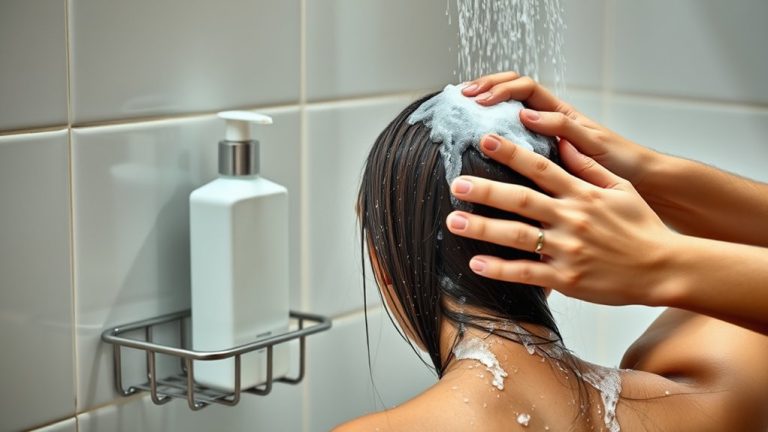
You can use castile soap as shampoo, but its high alkalinity means you’ll need to dilute it well and follow up with an acidic rinse to protect your hair and scalp. It’s natural and eco-friendly, but may cause dryness, frizz, or color fading if used improperly.
Different hair types and water quality also affect results, so customized care is key. If you want to optimize benefits and minimize risks, exploring detailed application tips and adjustments will help you get the best outcome.
Understanding Castile Soap As Shampoo
Although castile soap is celebrated for its natural and vegetable-based composition, using it as a shampoo requires careful consideration due to its high pH level. Typically, the pH ranges between 9 and 11, which can disrupt your hair’s natural acidity and potentially lead to dryness and damage.
Castile soap, made primarily from olive oil, acts as an alkaline cleanser. It can lift the hair cuticle, causing frizz and brittleness over time. Because of this elevated pH, castile soap isn’t suitable for all hair types, especially those prone to dryness or damage.
Since many castile soaps are homemade, their formulations vary, which affects their impact on hair health. If you decide to use castile soap as a natural shampoo, you might need to balance its alkalinity with acidic rinses.
This helps maintain your scalp’s ideal pH and keeps your hair healthy.
Pros And Cons Of Using Castile Soap For Hair
You’ll appreciate that Castile soap is natural and biodegradable, which makes it a pretty gentle option for cleansing.
That said, it’s also highly alkaline, and that can throw off your hair’s pH balance. When that happens, you might notice dryness, brittleness, or even some scalp irritation.
Benefits Of Castile
How does Castile soap measure up as a shampoo for your hair? Castile soap offers several benefits, primarily because it’s made from natural oils like olive oil. This makes it a gentle and eco-friendly choice for hair care.
Its moisturizing properties help keep your scalp hydrated when you use it the right way. Plus, since it’s biodegradable, it’s great for supporting sustainable beauty routines.
- Made from plant-based natural oils
- Provides moisturizing effects for scalp and hair
- Biodegradable and eco-friendly formulation
- Versatile for various hair types with proper dilution
- Reduces reliance on synthetic chemicals in hair care
Using Castile soap means you can embrace a natural, environmentally conscious approach while supporting scalp health thanks to its oil content.
Potential Hair Issues
Castile soap’s natural composition offers clear advantages for hair care, but it also presents some challenges you should consider. Its high pH, ranging from 9 to 11, can open hair cuticles, causing dry hair and increasing susceptibility to damage.
This alkalinity may accelerate fading in color-treated hair by disrupting the scalp’s natural acidity.
If you have low-porosity hair, castile soap can weigh down strands and worsen build-up, leading to dullness.
On the other hand, high-porosity hair is more vulnerable to roughness, brittleness, and frizz from the soap’s elevated pH.
So, it really depends on your hair type.
Repeated use without proper rinsing or pH balancing can weaken the protective cuticle layer of your hair and scalp, resulting in increased breakage over time.
Because of this, understanding these potential hair issues is essential before incorporating castile soap into your routine.
Application And Care
When applying castile soap as shampoo, you’ve got to pay close attention to dilution and rinsing to keep your hair healthy. Because it’s pretty alkaline, if you don’t use it right, it can mess with your hair’s natural pH, which might lead to dryness and frizz.
So, it’s a good idea to add an acidic conditioner after rinsing to bring things back into balance and help seal the cuticle.
Make sure you dilute the castile soap well to lower its pH impact. Also, rinse your hair really thoroughly to avoid any residue buildup that could cause trouble later on.
After rinsing, follow up with something acidic like diluted apple cider vinegar — it works wonders.
If your hair is color-treated, try not to use castile soap too often. And to keep things from getting waxy, consider using clarifying treatments or softening hard water.
Being mindful about how you apply and care for your hair with castile soap makes all the difference for safer, better results.
How To Use Castile Soap Shampoo Effectively
To use castile soap shampoo effectively, start by diluting it properly—usually about one tablespoon per cup of water. This helps prevent your scalp from getting too dry or irritated by the soap’s alkalinity.
Once you’ve rinsed your hair, it’s a good idea to apply an acidic rinse, like diluted apple cider vinegar. This step helps close the hair cuticle and gets rid of any leftover soap residue.
And lastly, don’t forget to follow up with a deep conditioner or a natural oil. This will restore moisture and keep your hair healthy and happy.
Proper Dilution Techniques
Although natural and effective, castile soap needs to be properly diluted to work well as a shampoo and to prevent scalp irritation. You should always dilute castile soap with water before use. A typical mix is ½ tablespoon of soap per ½ cup of water.
Proper mixing guarantees a consistent lather and helps reduce residue that could irritate your scalp. If you have hard water, pay special attention because minerals can cause build-up that requires thorough rinsing.
It’s a good idea to adjust the dilution depending on your hair type and how sensitive your scalp is.
- Use water to dilute castile soap before application
- Mix thoroughly to create an even solution
- Rinse hair well to remove soap and minerals
- Increase water ratio for sensitive or dry scalps
- Consider hard water’s effect on residue and scalp health
Post-Wash Conditioning
Since castile soap has an alkaline nature that can leave your hair feeling dry or rough, you’ll want to follow up with an acidic rinse like diluted apple cider vinegar or lemon juice. This helps restore your hair’s natural pH balance and closes the cuticle.
For effective post-wash conditioning, apply a deep conditioning treatment or natural oils such as coconut or argan oil. These replenish moisture and counteract dryness caused by the soap’s alkalinity.
After conditioning, rinse your hair with cool water to seal the cuticle. This enhances shine and reduces tangling.
Also, try to avoid rinsing with hard water right after using castile soap to prevent mineral build-up.
To keep your hair hydrated and protected, add leave-in conditioners or moisturizing sprays to your post-wash routine. They help maintain moisture and keep your hair feeling soft.
How Hair Porosity Affects Castile Soap Results
How does your hair’s porosity influence the effectiveness of castile soap as a shampoo? Hair porosity dictates how your hair absorbs and retains moisture. This directly affects how it reacts to alkaline products like castile soap.
Low porosity hair has a tightly closed cuticle structure, which resists product penetration. So, castile soap might be less effective on this hair type.
On the other hand, high porosity hair has raised cuticles that absorb moisture but lose it quickly. This makes it more prone to damage from alkaline exposure.
Medium porosity hair has a balanced cuticle structure. It allows for effective cleansing without causing too much dryness.
Here are some quick points to keep in mind for your hair type:
- Low porosity hair resists alkaline penetration
- High porosity hair is prone to moisture loss and damage
- Medium porosity hair tolerates castile soap better
- Moisture retention varies with cuticle integrity
- Tailoring product use helps minimize hair damage
Knowing your hair porosity can really help you get the best results from castile soap.
Managing Hard Water With Castile Soap
When you wash your hair with castile soap in hard water, minerals like calcium and magnesium react with the soap, creating a waxy residue known as soap scum. This buildup can weigh hair down, cause roughness, and increase tangling, especially in low porosity hair.
Managing hard water involves minimizing mineral deposits and residue through effective rinsing and product choice.
| Factor | Effect on Hair | Management Tip |
|---|---|---|
| Hard water minerals | Soap scum and buildup | Use water softening shower head |
| Castile soap form | Bar soap leaves less residue | Prefer bar over liquid soap |
| Mineral deposits | Weighs hair down | Rinse with distilled water |
| Acidic rinse | Removes some deposits | Use diluted apple cider vinegar |
Regular rinsing helps reduce buildup but won’t fully prevent soap scum long-term. So, it’s good to combine rinsing with other methods to keep your hair feeling fresh.
Tips For Transitioning To Castile Soap Shampoo
Although switching to castile soap shampoo requires some adjustment, easing into the process can really help minimize scalp irritation and dryness. When you make the shift, be sure to dilute castile soap properly to reduce its alkalinity and protect your scalp.
Supporting this with an acidic rinse helps restore your hair’s pH balance and close the cuticles. Adding natural oils into your routine fights dryness and supports scalp health.
Remember, full adaptation takes time, so patience is key.
- Gradually reduce conventional shampoo frequency while introducing castile soap
- Dilute castile soap (for example, 1 tablespoon per cup of water) before use
- Follow washes with an acidic rinse like diluted apple cider vinegar
- Use deep conditioning treatments with natural oils to maintain moisture
- Allow 2 to 4 weeks for your scalp and hair to adapt fully
Customizing Castile Soap Use For Different Hair Types
Since hair types vary widely in texture, density, and treatment history, you’ll need to adjust your castile soap dilution and post-wash care accordingly to maximize results.
For example, curly hair benefits from a higher dilution to prevent dryness, while oily hair may require a stronger concentration. High-porosity hair needs added moisturizing agents during washing.
Color-treated hair demands careful dilution and an acidic rinse to protect against damage.
| Hair Type | Castile Soap Dilution | Post-Wash Care |
|---|---|---|
| Fine/Thin | High dilution | Light moisturizing |
| Coarse/Thick | Moderate dilution | Intensive conditioning |
| Color-treated | Very high dilution | Acidic rinse + moisturizing |
Tailor your castile soap use by hair porosity and type to maintain ideal moisture and health. This way, you’ll keep your hair looking and feeling its best.
Troubleshooting Castile Soap Shampoo Issues
If you notice waxy buildup or residue after using castile soap as shampoo, hard water minerals might be reacting with the soap and causing deposits on your hair. To manage this, focus on residue removal techniques and water treatment options.
Consider these strategies: use acidic rinses with diluted apple cider vinegar or lemon juice to dissolve mineral deposits. Clarify your hair occasionally with a baking soda paste to get rid of stubborn buildup.
You can also install a water softening shower head to reduce hard water effects.
Another tip is to opt for bar castile soap, which rinses cleaner in hard water than liquid forms. And don’t forget to increase deep conditioning treatments to counteract dryness from residue.
These methods target hard water challenges and can really improve your castile soap shampoo experience.
Frequently Asked Questions
Can Castile Soap Damage Hair Color or Cause Fading?
Yes, castile soap can cause color fading and hair discoloration because its high pH level leads to dye stripping. When you use it regularly, it weakens hair fibers, accelerating pigment loss and increasing the risk of hair damage.
This alkaline environment opens cuticles, making your hair more prone to losing artificial color.
To protect your dye, consider pH-balanced shampoos. Also, try to avoid frequent use of castile soap to minimize long-term fading effects.
Taking these steps can help keep your hair color looking fresh for longer.
Is Castile Soap Safe for Daily Use on Children’s Hair?
Imagine Sarah, who used Castile soap daily on her child’s hair and noticed scalp dryness and moisture imbalance after two weeks. You shouldn’t use Castile soap daily on children’s hair because its alkalinity can cause chemical irritation, increase allergy risk, and lead to scalp dryness or product buildup.
Always dilute it well and follow with an acidic rinse.
Monitor your child’s scalp closely and consult a pediatric dermatologist for sensitive skin.
How Does Castile Soap Compare to Traditional Shampoo in Cost?
You’ll find castile soap generally costs less than traditional shampoo because it’s concentrated, letting you dilute it multiple times per bottle. Traditional shampoos often come with a variety of scents and usually create more lather.
But castile soap stands out for its natural ingredients and balanced pH, which is great if you want something gentle on your scalp. Plus, it avoids harsh chemicals, so there’s less chance of irritation.
All in all, castile soap is a cost-effective and eco-friendly option that doesn’t compromise on ingredient quality. It’s a smart choice if you care about both your wallet and what goes into your hair care products.
Can Castile Soap Be Mixed With Other Hair Care Products?
Yes, you can mix castile soap with other hair care products to create DIY hair recipes tailored to your needs. Combining it with carrier oils or aloe vera helps with pH balancing and reduces alkalinity, which improves softness.
Adding essential oils lets you customize the scent and also offers scalp benefits. Just remember, you should always test small amounts first to see how your skin reacts.
Adjust your application techniques as needed to avoid residue or irritation. This way, you get the best results without any unwanted surprises.
Does Castile Soap Have Any Antibacterial Properties for Scalp Health?
Castile soap has limited antibacterial properties and isn’t designed to target scalp health specifically. While it offers natural cleansing that can remove surface dirt and some bacteria, it doesn’t actively promote microbial balance or fight harmful microbes effectively.
If you’re prone to skin irritation or scalp conditions, relying solely on castile soap mightn’t be enough.
For better antibacterial action and scalp health, consider shampoos formulated with specific antimicrobial ingredients. It’s all about finding what works best for your scalp’s needs.
Conclusion
You might worry that Castile soap will leave your hair dry or tangled, but with proper use and adjustment, it can cleanse effectively without stripping natural oils. By understanding your hair’s porosity and managing water hardness, you can customize your routine to maintain moisture and shine.
Shifting gradually helps your scalp adapt, ensuring a balanced, healthy feel. Castile soap, when used right, offers a natural, versatile shampoo alternative backed by practical experience.