Can Baby Shampoo Be Used On Dogs – Pros, Cons, And Safe Use Tips
You can use baby shampoo on your dog in emergencies, especially if it’s fragrance-free and hypoallergenic, but be cautious. Baby shampoo’s lower pH may disrupt your dog’s skin balance, causing dryness or irritation with frequent use. Always rinse thoroughly and watch for signs like redness or scratching.
For regular grooming, dog-specific shampoos are safer and better for skin health. Keep an eye out for issues and explore how to care for your dog’s coat properly. It’s all about making sure your furry friend stays comfortable and healthy.
Key Differences Between Baby and Dog Shampoo
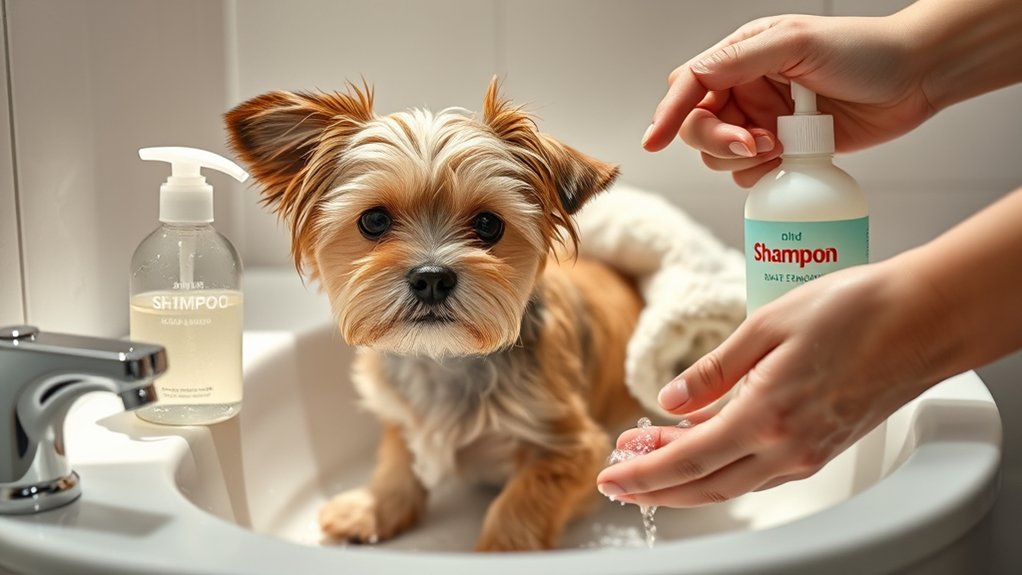
When choosing a shampoo for your dog, it’s important to understand that baby shampoo and dog shampoo are formulated very differently. Baby shampoo is designed for human skin, with a pH around 5.5, while dog shampoo matches canine skin pH levels of 6.5 to 7.5. This difference affects how well each product supports your dog’s skin health.
Dog shampoo is specifically formulated for dogs, often containing ingredients that address common skin conditions and preserve natural oils. In contrast, baby shampoo lacks these targeted properties and can strip away your dog’s natural oils, leading to irritation and dryness.
While baby shampoo is mild and tear-free, it isn’t designed for your dog’s unique skin chemistry. So, even though baby shampoo might seem like a gentle option, it’s really best to stick with grooming products made for dogs.
Choosing the right shampoo guarantees better skin care and long-term health for your furry friend.
Why Dog Skin PH Matters for Baby Shampoo Use
You should know that your dog’s skin pH is actually higher than yours. It usually falls between 6.5 and 7.5, while human skin is typically around 5.5.
So, when you use baby shampoo—which is made for human skin—it can throw off your dog’s natural balance. This might cause dryness or irritation.
Keeping the right pH level is really important to protect your dog’s skin and avoid any long-term problems.
Canine Skin pH Difference
Because dogs have a skin pH ranging from 6.5 to 7.5, which is more neutral than the acidic pH of human skin, you need to be cautious when choosing shampoos for your pet.
The canine skin pH difference means that using human shampoo, including baby shampoo, can disrupt this pH balance. Such disruption often leads to skin issues like dryness, irritation, and vulnerability to infections.
During dog grooming, stripping away natural oils harms your pet’s skin barrier and compromises healthy skin.
That’s why proper grooming involves using shampoo specifically formulated for dogs, which maintains their unique skin balance. By selecting the right product, you support your dog’s skin health and coat condition.
This helps prevent common problems caused by incompatible human shampoos.
pH Impact On Health
Although baby shampoo seems gentle and safe, its formulation doesn’t suit your dog’s more neutral skin pH, which ranges from 6.5 to 7.5.
Human shampoos, including baby shampoo, are formulated to be gentle for human skin but can disrupt dogs’ pH balance.
This disruption weakens the skin barrier, causing dryness, irritation, and increasing the risk of skin problems and infections.
Because dogs have a thinner skin barrier, maintaining the correct pH balance is essential to protect against pathogens and retain moisture.
Frequent use of inappropriate shampoos strips natural oils, further harming skin health.
When Is It Safe to Use Baby Shampoo on Your Dog?
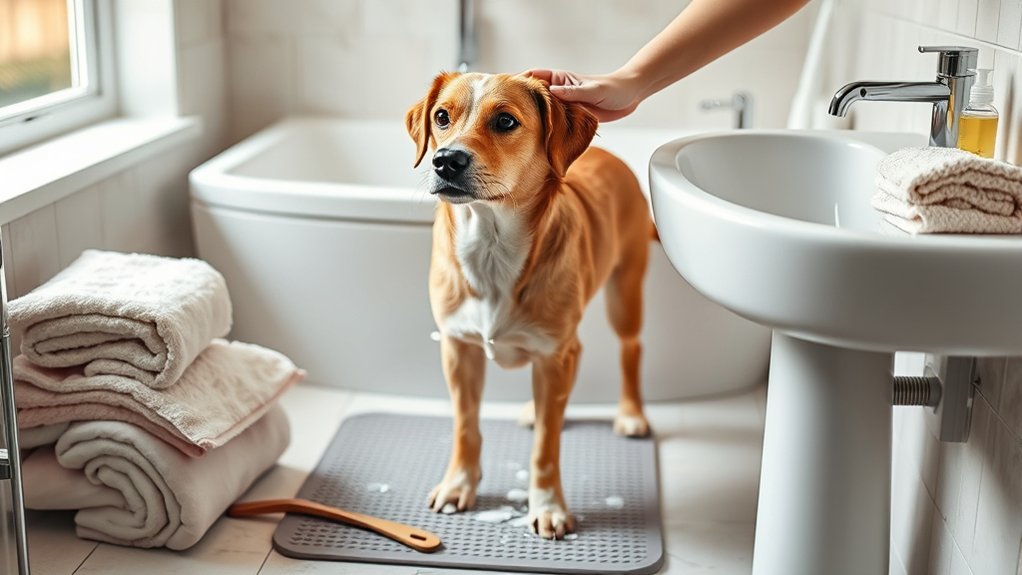
One key situation where baby shampoo can be safely used on your dog is during emergencies when you don’t have access to dog-specific shampoos. Baby shampoo, with its gentle formulation, can be a safe alternative for dogs, especially those with sensitive skin or young puppies. However, always choose fragrance-free, hypoallergenic options to minimize irritation.
Use only a small amount and rinse thoroughly to protect your dog’s skin. Keep a close eye out for signs of irritation, such as redness or scratching. If you notice anything unusual, it’s best to consult a vet to be safe.
| Condition | Recommendation |
|---|---|
| Emergency use | Acceptable with caution |
| Sensitive skin | Use hypoallergenic baby shampoo |
| Young puppies | Generally safe |
| Signs of irritation | Stop use and consult a vet |
Pros and Cons of Using Baby Shampoo on Dogs
If you’re considering baby shampoo for your dog, it’s important to weigh the benefits against the drawbacks carefully.
On the pro side, baby shampoo is milder than regular human shampoos, making it a gentle option for dogs with sensitive skin, especially in emergencies. Many pet owners appreciate its lower risk of causing immediate irritation.
However, the cons include its inability to maintain your dog’s natural skin pH balance, which can lead to dryness and irritation over time. Baby shampoo also lacks antibacterial and antifungal properties, so it may not address underlying skin issues.
Frequent use can strip your dog’s natural oils, increasing susceptibility to skin infections.
Understanding these pros and cons helps you make informed choices that best protect your dog’s skin health.
Health Risks of Frequent Baby Shampoo Use
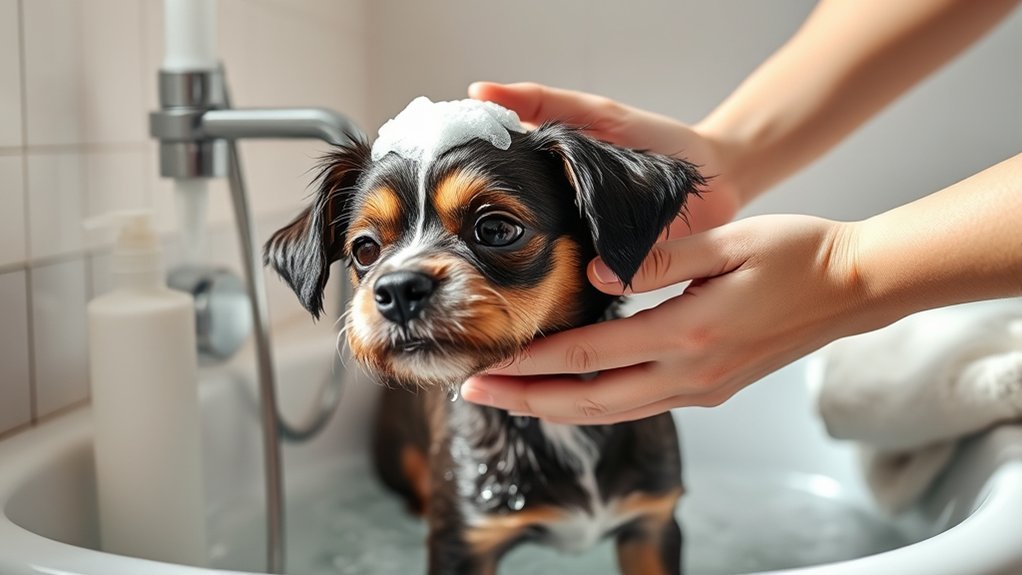
While baby shampoo may seem gentle, using it frequently on your dog can pose significant health risks. Dogs have a different skin pH balance than humans, ranging from 6.5 to 7.5. Baby shampoo can disrupt this balance, which isn’t great for your pup.
This disruption may lead to irritation and dryness by stripping away essential natural oils. Over time, this can worsen existing skin conditions and make your dog more vulnerable to infections. So, it’s something to watch out for.
Be aware of these health risks when using baby shampoo on dogs:
- Disruption of skin pH balance causing irritation
- Loss of natural oils leading to dryness and flakiness
- Exacerbation of skin conditions due to lack of antibacterial properties
Regular monitoring is essential to protect your dog’s skin health. Keep an eye on how your dog’s skin responds if you do use baby shampoo.
Signs Your Dog Reacts to Baby Shampoo
Although baby shampoo seems mild, your dog’s skin can react negatively in several noticeable ways. Watch for signs like excessive scratching, biting, or licking, which often indicate irritation or discomfort.
Redness or rashes on your dog’s skin are clear signals of an adverse reaction, as dogs have more sensitive skin than humans.
Redness or rashes signal your dog’s sensitive skin is reacting negatively to a product.
You might also notice a dull, flaky coat or increased shedding if the shampoo strips natural oils, causing dryness. If you see any of these signs, stop using the shampoo immediately.
Persistent symptoms, swelling, or hot spots mean it’s time to consult your vet promptly to prevent infections or worsening sensitivity.
Recognizing these signs early helps protect your dog’s skin health and guarantees safe grooming practices. So, keep an eye out and don’t hesitate to act if something seems off. Your dog will thank you for it!
Better Shampoo Alternatives for Sensitive Dogs
Noticing your dog’s reaction to baby shampoo signals it’s time to explore better options designed specifically for their skin needs.
Dog-specific shampoos maintain a pH balance ideal for optimal skin health and coat hydration, unlike baby shampoos. For sensitive dogs, hypoallergenic shampoos minimize skin irritations and allergic reactions.
Medicated shampoos offer tailored treatment options for conditions like infections or dandruff. Aloe and oatmeal shampoos soothe and hydrate irritated skin, promoting overall coat health.
Consider these effective alternatives:
- Dog-specific shampoos: pH-balanced for ideal skin health
- Hypoallergenic and aloe/oatmeal shampoos: gentle on sensitive dogs, reducing irritations
- Medicated shampoos: address specific skin conditions with tailored treatment options
Choosing the right shampoo supports your dog’s comfort and long-term skin wellness. It’s worth finding the one that fits your dog’s unique needs.
How to Safely Bathe Your Dog With Baby Shampoo
Using baby shampoo to bathe your dog can be safe if you take specific precautions to protect their sensitive skin.
Start by choosing a fragrance-free or hypoallergenic baby shampoo to minimize irritation risks.
Always dilute the baby shampoo with water before applying it to your dog’s coat. This reduces its concentration and makes it safer to use.
Use lukewarm water during bathing to keep your dog comfortable and help the shampoo lather effectively.
After washing, rinse thoroughly to remove all shampoo residue. Leftover product can cause dryness and irritation.
Keep an eye on your dog for any signs of discomfort, like redness or excessive scratching, after the bath.
These personal recommendations guarantee a gentle, effective bathing experience while keeping your dog’s skin healthy and happy.
When to See a Vet for Your Dog’s Skin
If your dog starts scratching, licking, or biting more than usual, that’s a clear sign you need to check their skin.
You might notice redness, rashes, or even unusual shedding—these are all signals that it’s a good idea to get some professional advice.
And don’t wait around if you spot persistent odors, swelling, or any kind of discharge.
Getting your dog to the vet quickly can help prevent more serious problems down the line.
Identifying Skin Irritation
How can you tell when your dog’s skin irritation has crossed the line from mild discomfort to a problem needing a vet’s attention? When using baby shampoo or any grooming product, keep an eye on your dog’s skin and coat.
Dogs’ pH balance differs from humans, so harsh chemicals can cause irritation.
Look for visible signs like redness, rashes, or flaky skin. Excessive scratching, biting, or licking signals discomfort that shouldn’t be ignored. If the problem persists despite choosing the right shampoo, it’s time to call your veterinarian for an assessment.
Watch for continuous scratching or biting beyond the bath. Also, redness, swelling, or flaky patches on the skin can be warning signs. Pay attention to signs of distress such as whining or restlessness during or after grooming.
Catching these early can help prevent the irritation from getting worse and keep your dog comfortable. So, keep a close eye and don’t hesitate to seek help if you’re worried.
When To Seek Help
When your dog’s skin shows persistent signs of irritation such as excessive scratching, biting, or licking, it’s important to seek veterinary advice promptly.
Even if you’ve switched to gentle grooming products like Baby Shampoo, ongoing redness, rashes, or flaky skin may indicate an adverse reaction or underlying skin issues.
A dull coat, increased shedding, or changes in grooming habits also warrant a vet visit to guarantee your dog’s comfort and health.
Don’t hesitate to consult your vet for a proper diagnosis if skin problems persist despite using safe products and following recommended safe use tips.
Early veterinary intervention helps address skin irritation effectively, preventing complications and keeping your dog comfortable and healthy.
How to Choose the Best Dog Shampoo
Because your dog’s skin has a unique pH range between 6.5 and 7.5, choosing a shampoo that matches this balance is crucial to maintain healthy skin and coat.
While baby shampoo might seem gentle, the best choice is a shampoo designed for dogs to preserve the balance of your dog’s skin and dog’s coat. A shampoo is generally formulated to meet their specific skin needs without causing irritation.
When selecting the best dog shampoo, consider these points:
Opt for hypoallergenic options if your dog has sensitive skin or allergies.
Choose shampoos free from harsh chemicals, dyes, and fragrances.
Consult with a veterinarian for recommendations tailored to your dog’s breed and health.
This approach guarantees safe, effective grooming without compromising skin health. It’s all about keeping your furry friend comfortable and looking great!
Frequently Asked Questions
Can Baby Shampoo Be Used on Puppies Under Three Months Old?
Yes, you can use baby shampoo on puppies under three months old, but make sure to pick a tear-free formula with gentle cleansing ingredients. This helps protect their sensitive puppy skin.
Try not to bathe them too often since it can dry out their coat and skin. Always check the ingredients to avoid anything that might irritate them.
While baby shampoo is good for grooming, you might also want to use alternatives like damp cloth wipes sometimes.
Keep an eye on their skin for any signs of sensitivity. And if you’re unsure, it’s always best to chat with your vet to make sure your little pup gets the best care.
Does Baby Shampoo Help With Flea or Tick Prevention?
Only about 10% of flea treatment effectiveness comes from shampoo ingredients analysis, so baby shampoo won’t help much with flea or tick prevention.
Because of dog skin sensitivity, using baby shampoo frequently can cause irritation, which can actually make the problem worse.
For safe tick removal tips and puppy grooming advice, it’s best to follow your vet’s recommendations and stick to products designed specifically for dogs.
You can compare natural alternatives carefully, but always keep product safety in mind.
How Often Can I Store Baby Shampoo Before It Expires?
You can store baby shampoo for about three years if you follow proper product storage guidelines. Keep it in cool, dry conditions away from sunlight to maintain ingredient stability and quality control.
Also, pay attention to expiration signs like changes in color, scent, or texture regardless of packaging types. Once opened, try to use it within a year to make sure it stays fresh.
Dilution ratios don’t affect shelf life but can impact effectiveness, so it’s best to follow usage recommendations carefully. That way, you get the most out of your baby shampoo every time.
Can Baby Shampoo Cause Eye Irritation in Dogs?
Think of baby shampoo like a gentle breeze, usually soft but sometimes too strong for a dog’s sensitive eyes.
Yes, baby shampoo can cause eye irritation signs like redness or squinting.
To protect your pup, follow dog grooming tips: always rinse thoroughly, check ingredient safety, and consider pet shampoo alternatives designed for sensitive skin care.
Tear-free formulas help, but hypoallergenic products are best for dog coat health and safe bathing practices.
Is Baby Shampoo Safe for Dogs With Allergies to Fragrances?
Yes, you can use fragrance-free options of baby shampoo for dogs with allergies, but you need to proceed cautiously.
Look for hypoallergenic formulas with natural ingredients and proper allergen testing to minimize skin sensitivity.
Remember, baby shampoo isn’t pH balanced for dogs, so it may still cause irritation.
Always follow grooming tips and consult your vet for alternative shampoos tailored to your dog’s needs.
This way, you can ensure safe, comfortable baths every time.
Conclusion
While baby shampoo can be a gentle option for occasional use, remember that dogs’ skin pH is typically around 6.2 to 7.4. This is more alkaline than human skin’s 5.5. Studies show that using baby shampoo regularly can disrupt this balance, leading to dryness or irritation.
So, it’s best to choose shampoos formulated specifically for dogs, especially if your pup has sensitive skin. Always prioritize your dog’s comfort and health by consulting your vet when in doubt. It’s better to be safe than sorry!