What Is The Best Shampoo For 70 Year Old Woman – Gentle Hair Care Picks
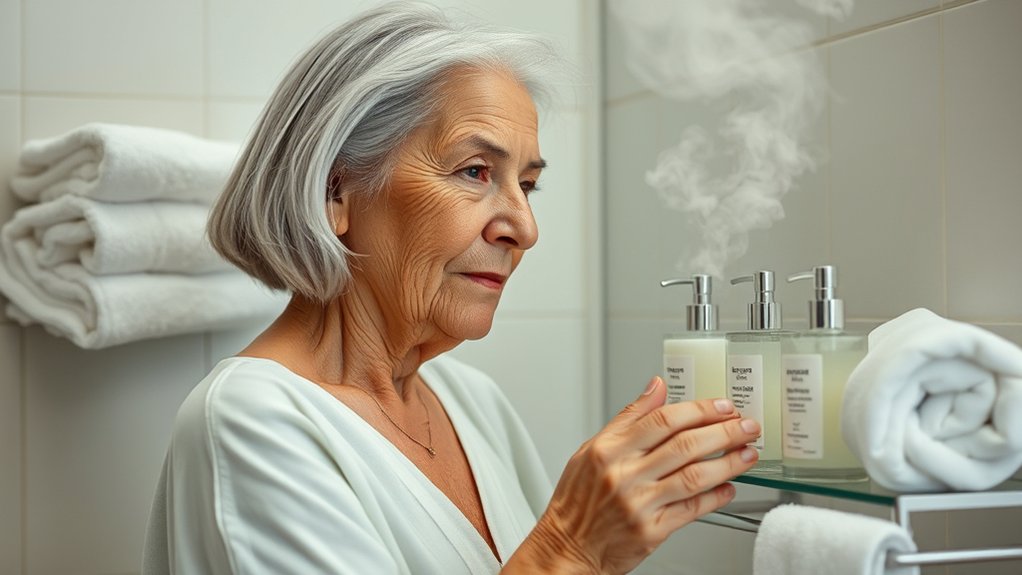
For a 70-year-old woman, choose a gentle, sulfate-free shampoo that protects fragile, thinning hair and soothes a sensitive scalp prone to dryness. Look for shampoos with biotin, keratin, natural oils like argan or jojoba, and calming ingredients such as aloe vera or chamomile.
These ingredients nourish your scalp, strengthen hair, and reduce breakage. Proper shampooing techniques also matter to maintain hydration and scalp health.
Want to learn more? Discover ideal products and care tips that support aging hair effectively.
How Aging Affects Hair and Scalp Health
As you age, your hair and scalp undergo significant changes that affect their health and appearance. Aging causes thinning hair due to reduced natural oil production and hormonal shifts, especially post-menopause. These shifts increase sensitivity to DHT, a hormone linked to hair loss.
Your scalp ages faster than facial skin, making it prone to increased shedding, dryness, and irritation. Because of this, focused scalp care becomes really important to maintain hair health.
Nutrient deficiencies, particularly in biotin and iron, can make these effects worse. That’s why proper nutrition plays a big role in supporting your hair as you get older.
Adopting specialized hair care routines helps counteract breakage and dryness. This supports vitality in aging hair and keeps it looking its best.
Understanding these factors lets you tailor your scalp care and manage the impacts of aging on your hair more effectively.
Why Choose Gentle Shampoo for a 70-Year-Old Woman
Because hair becomes more fragile and scalp sensitivity increases with age, choosing a gentle shampoo is crucial for a 70-year-old woman. Gentle shampoos provide the appropriate care aging hair requires by preserving hydration and replenishing natural oils that decline with age.
As hair weakens and scalp sensitivity rises with age, gentle shampoos are essential for proper care.
They also support scalp health, reducing irritation and dryness common in mature scalps.
Here’s why you should choose gentle shampoos:
- They maintain hydration and restore luster, preventing dryness and brittleness.
- Their mild, often sulfate-free cleansers protect sensitive scalps from irritation.
- They promote scalp health, improving circulation and nourishing hair follicles for better hair vigor.
Using gentle shampoos tailored for mature hair helps combat common aging hair issues. This way, your hair stays vibrant, manageable, and healthy.
Key Ingredients to Look for in Shampoos for Aging Hair
When selecting a shampoo for aging hair, you should focus on ingredients that actively support hair strength, scalp health, and hydration.
Biotin is crucial for reinforcing hair structure and preventing breakage, which is common in mature hair. Incorporating protein, such as keratin, helps restore damaged strands and improves texture, maintaining hair integrity.
Natural oils like argan or jojoba provide essential hydration, reducing dryness and brittleness that aging hair often experiences.
Furthermore, ingredients that promote scalp health, such as niacinamide, enhance circulation and support a healthy follicle environment, encouraging hair growth.
Best Sulfate-Free Shampoos for Sensitive Aging Scalps
You’ll want to go for sulfate-free shampoos that have gentle cleansing ingredients. This helps avoid irritating your sensitive, aging scalp.
It’s a good idea to look for formulas that not only clean but also provide hydration and support scalp care. That way, they help maintain your scalp’s natural oils and reduce dryness.
These shampoos work to promote a balanced scalp environment, which can really improve how manageable your hair feels and boost its overall health.
Gentle Cleansing Ingredients
Although aging scalps often become more sensitive, choosing a sulfate-free shampoo can greatly reduce dryness and irritation by preserving natural oils.
Gentle cleansers are key in sulfate-free shampoos designed for scalp care, as they minimize irritation while effectively cleansing.
When selecting a shampoo, focus on ingredients that nourish and strengthen aging hair without harsh chemicals.
It really makes a difference to pick products that care for your scalp and hair gently.
Consider these three essential gentle cleansing components:
- Aloe vera and chamomile soothe and protect sensitive scalps.
- Natural oils like coconut or argan help maintain moisture and support hair health.
- Added proteins such as silk or keratin reinforce thinning strands while staying gentle.
Using shampoos with these ingredients helps maintain scalp balance and promotes stronger, healthier hair in seniors.
It’s a smart way to keep your hair looking and feeling great as you age.
Hydration And Scalp Care
Since sensitive aging scalps require careful attention, choosing a sulfate-free shampoo with hydrating properties is crucial to maintain moisture and prevent irritation.
Gentle formulations preserve your scalp’s natural oils, avoiding dryness and discomfort common in mature skin. Look for shampoos enriched with aloe vera and chamomile, as these ingredients provide soothing scalp care, reducing itchiness and inflammation.
Hydration is further enhanced by biotin and natural oils, which strengthen hair strands and improve texture.
Moreover, antioxidants in some shampoos protect against environmental damage, promoting a healthier scalp environment. Using a gentle, hydrating shampoo regularly supports scalp integrity, preventing flakiness and irritation.
Prioritizing these features guarantees effective hydration and scalp care tailored for sensitive, aging scalps.
It really makes a difference when you choose the right products that nurture and protect your scalp every day.
Top Shampoos to Combat Dryness and Frizz in Older Hair
When addressing dryness and frizz in older hair, selecting shampoos with targeted hydrating ingredients proves essential. Shampoos for older women should focus on hydration to restore moisture and reduce frizz, while also offering volumizing benefits to combat thinning.
Consider these top options:
- Kérastase Densifique Densité Shampoo. It contains hyaluronic acid to hydrate and improve scalp health.
- Watermans Grow Me Shampoo. This sulfate-free formula has biotin and caffeine, which minimize frizz and energize the scalp.
- OGX Thick & Full Shampoo. It combines biotin and collagen to hydrate and add volume, enhancing hair manageability.
These formulations prioritize elasticity, hydration, and frizz control. They address the specific challenges of aging hair with clinical precision.
Picking the Best Shampoo for Gray or Silver Hair
How can you best care for gray or silver hair with the right shampoo? Choose a shampoo for aging hair that’s specifically formulated for silver hair.
These products designed for gray hair often include purple pigments that neutralize brassiness and enhance shine.
Look for ingredients like biotin and keratin, which strengthen and moisturize aging hair prone to dryness and brittleness.
Avoid shampoos containing sulfates and parabens because they can further dry out sensitive strands.
Consider options enriched with natural oils such as argan or coconut oil to restore hydration and luster.
Brands like Alterna Caviar Anti-Aging Shampoo combine these features, providing volume and shine while addressing the unique needs of silver hair effectively.
Picking the right shampoo guarantees your gray hair stays vibrant and healthy.
It’s all about giving your silver locks the care they deserve!
Why Biotin, Collagen & Natural Oils Help Aging Hair
Biotin, collagen, and natural oils each play an indispensable role in maintaining the health of aging hair by addressing common issues like dryness, brittleness, and thinning. You’ll find these ingredients vital for restoring hydration and strength.
Biotin, collagen, and natural oils are essential for restoring hydration and strength to aging hair.
- Biotin supports keratin production, strengthening hair and reducing breakage. This helps maintain thickness as you age.
- Collagen enhances hair elasticity and hydration, combating dryness and brittleness common in aging hair.
- Natural oils such as argan and coconut provide moisture, restoring softness and shine while minimizing frizz.
Together, these components improve scalp conditions, encouraging healthier hair growth and reducing age-related hair loss.
Incorporating biotin, collagen, and natural oils into your hair care routine guarantees enhanced hydration and resilience for your aging hair.
How to Use Shampoo Properly for Fragile, Aging Hair
Although aging hair requires extra care, following a proper shampooing technique can greatly reduce damage and maintain scalp health.
Start by rinsing your hair with lukewarm water to preserve natural oils and hydration. This helps avoid the dryness caused by hot water.
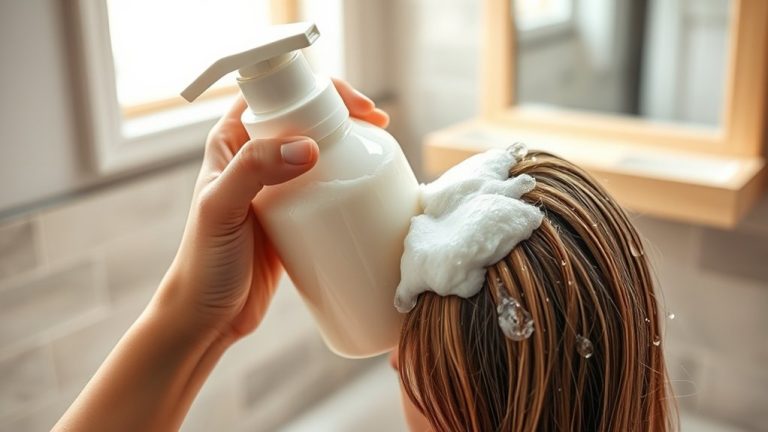
Apply a gentle, sulfate-free shampoo to dry hair and let it sit for a few minutes. This allows the shampoo to loosen dirt and buildup before rinsing. Remember to use only a quarter-sized amount to prevent residue and scalp irritation.
When massaging, focus on your scalp to stimulate circulation and ensure effective cleansing. This way, you avoid stressing fragile strands.
Finally, rinse thoroughly to remove all shampoo. Doing this prevents buildup that can aggravate sensitive, aging scalps.
This precise method supports hydration and helps maintain the integrity of aging hair.
Give it a try—you might notice a real difference!
Best Conditioners and Treatments for Aging Hair
When caring for aging hair, choosing conditioners and treatments that prioritize hydration and elasticity is essential. A quality conditioner for aging hair should restore moisture without weighing hair down.
Incorporate deep conditioning treatments regularly to rebuild structure and enhance shine. Scalp oils and serums also play a vital role by supporting scalp health and promoting hair growth.
Consider these options:
- Use lightweight conditioners with biotin and proteins to improve fine or thinning hair.
- Apply collagen-rich deep conditioning treatments to rejuvenate gray hair and combat dryness.
- Incorporate scalp oils or microbiome-supporting serums to reduce inflammation and strengthen follicles.
These targeted approaches help maintain hair’s hydration, elasticity, and overall texture as you age. This way, you can enjoy healthier, more resilient hair.
When to Consult a Dermatologist for Hair and Scalp Care
If you notice that your scalp keeps feeling irritated or if you start losing hair without a clear reason, it’s a good idea to see a dermatologist.
Sometimes, these issues can be signs of something more serious that only a professional can properly diagnose and treat.
Also, if you spot any infections on your scalp, don’t wait to get it checked out.
Getting help early can stop things from getting worse and make sure your hair and scalp get the right care they need.
Persistent Scalp Irritation
How do you know when persistent scalp irritation requires professional attention? If you experience ongoing discomfort affecting your scalp and hair, it’s essential to consult a dermatologist promptly.
Persistent scalp irritation can signal underlying conditions like eczema or psoriasis that need targeted treatment.
Watch for these signs:
- Severe itching, redness, or flaking lasting more than a few weeks
- Reactions to hair care products causing chronic irritation
- Discomfort unresponsive to over-the-counter remedies
A dermatologist can diagnose the cause and recommend medicated shampoos or topical therapies tailored to your specific scalp condition.
Timely intervention prevents long-term damage and helps maintain healthy hair and scalp. Don’t delay professional evaluation if symptoms persist or worsen.
Unexplained Hair Loss
Persistent scalp irritation can sometimes accompany unexplained hair loss, signaling that a thorough evaluation by a dermatologist may be necessary. If you notice hair loss exceeding 100 strands daily or visible thinning, seek professional advice promptly.
Unexplained hair loss in women over 70 often stems from hormonal shifts, nutrient deficiencies, or scalp conditions requiring targeted hair care. A dermatologist will perform scalp and blood tests to identify causes like thyroid issues or iron deficiency, helping to boost scalp health effectively.
Early intervention is key to managing hair loss and preventing progression.
Don’t delay consulting a specialist if you experience persistent symptoms alongside hair loss, as timely diagnosis guarantees the most appropriate treatment and preserves hair health.
Signs Of Infection
When you notice symptoms like itching, redness, swelling, or pus-filled bumps on your scalp, these signs often indicate an infection that needs prompt medical attention. Ignoring them can lead to complications like scarring or permanent hair loss.
You should see a dermatologist if you experience persistent scalp pain or tenderness along with hair loss. Also, watch out for circular patches of hair loss, which might suggest a fungal infection like ringworm.
Sudden changes in hair texture or density are another warning sign.
And if your symptoms stick around despite trying over-the-counter treatments, it’s definitely time to get checked out.
Getting early intervention from a dermatologist is key to diagnosing the infection correctly and preventing more hair loss or scalp damage.
Frequently Asked Questions
Can Diet Impact Hair Health in Women Over 70?
Yes, diet greatly impacts your hair health after 70. Hormonal changes reduce nutrient absorption, so you must prioritize protein intake and hydration levels to support hair strength and prevent dryness.
Deficiencies in vitamins and minerals can cause thinning, while antioxidants help combat oxidative stress.
Maintaining a balanced diet rich in essential nutrients guarantees your hair retains its vigor, elasticity, and resilience despite aging-related challenges.
Are There Specific Hairstyles Better for Thinning Hair at 70?
Think of your hair as a canvas, where the right brushstrokes create fullness. For thinning hair at 70, short hairstyles like pixie styles and textured bobs work best. They add volume without weight.
Layered cuts introduce dimension, helping disguise thinning by creating natural movement.
Avoid heavy bangs, and opt for cuts that boost texture and lightness. These choices enhance your hair’s appearance, making it look healthier and more vibrant.
How Often Should a 70-Year-Old Woman Wash Her Hair?
You should aim for washing your hair about 1-3 times a week to keep your scalp healthy and avoid product buildup. As we age, hair texture changes, and strands can become more fragile and dry. Washing too often can strip away the natural oils that protect your scalp.
It’s good to adjust how often you wash based on whether your scalp feels oily or dry. On days you don’t shampoo, just rinsing with water can help keep your hair clean without overdoing it.
This way, you maintain a nice balance and keep your hair feeling fresh.
Do Scalp Massages Improve Hair Growth in Older Women?
Yes, scalp massages improve hair growth in older women by enhancing scalp stimulation and increasing blood circulation to hair follicles.
When you massage your scalp regularly, you promote nutrient delivery essential for hair health.
This also acts as a relaxation technique, reducing stress that can hinder hair growth.
Performing scalp massages daily for 5-10 minutes can strengthen hair follicles, potentially increasing hair thickness and improving overall scalp health over time.
Can Supplements Replace Shampoo Benefits for Aging Hair?
Supplements can’t wear the crown alone when it comes to aging hair care. While they do help boost nutrient absorption from within, they don’t replace shampoo alternatives that cleanse and hydrate your scalp.
For holistic hair care, you need both: shampoos to remove buildup and maintain scalp health, and supplements to strengthen hair internally.
Relying solely on supplements means missing out on the external benefits shampoos provide. These benefits are essential, especially for dry, thinning hair as you age.
Conclusion
Caring for your aging hair is like nurturing a delicate flower. Gentle, consistent care brings out its natural beauty. While youthful hair may have thrived on strong detergents, your 70-year-old scalp benefits from sulfate-free, moisturizing shampoos enriched with biotin and collagen.
Balancing hydration and strength prevents dryness and breakage. This helps your hair stay resilient. By choosing the right products and techniques, you transform fragile strands into healthy, vibrant hair. It’s all about reflecting your age gracefully.