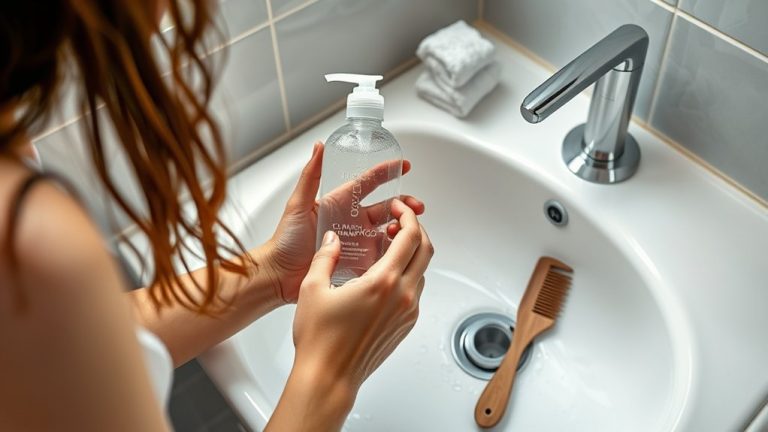
What Happens If You Use Body Wash As Shampoo – Hair Effects Explained
If you use body wash as shampoo, you strip your hair of natural oils and disrupt your scalp’s protective balance. This can lead to dryness, frizz, and scalp irritation.
Body wash’s pH and formulation aren’t designed for hair, which causes cuticle damage and dullness over time. It also doesn’t properly cleanse or condition your hair.
Because of that, you might see more breakage and buildup. Understanding why this happens and how it affects your hair can really help you make better care choices moving forward.
What Happens When You Use Body Wash As Shampoo?
What happens when you use body wash as shampoo? Using body wash for hair care can strip your hair and scalp of natural oils because its surfactants are usually harsher than those in shampoo. This can lead to dryness and mess with your scalp’s protective barrier, which might cause irritation.
The higher pH level of body wash can also disrupt the hair cuticle, making your hair frizzy and dull. Plus, body wash doesn’t have the conditioning ingredients your hair needs to stay strong and moisturized.
This means your strands can end up dry, brittle, and more likely to break. Over time, using body wash instead of shampoo can weaken your hair and cause more damage.
Why Body Wash and Shampoo Are Formulated Differently
Because body wash and shampoo serve different purposes, their formulations differ considerably to address the unique needs of skin and hair respectively.
Body washes contain milder surfactants and higher moisturizing ingredient concentrations to cleanse skin gently without disrupting its natural barrier.
Body washes use gentle surfactants and enriched moisturizers to cleanse skin without harming its natural barrier.
In contrast, shampoos use specific surfactants optimized for hair, balancing effective cleansing with preservation of natural oils.
pH balance plays an essential role. Shampoos maintain a pH around 4.5 to 5.5 to protect the hair cuticle and promote hair health.
Whereas, body washes often have a neutral or slightly acidic pH suited for skin.
Furthermore, shampoos include conditioning agents, keratin, and vitamins that support scalp and hair health.
These components are absent in body washes.
These formulation differences ensure each product effectively meets its intended cleansing and care requirements.
How Body Wash Affects Hair Cleansing and Moisture
Although body wash can cleanse hair, its formulation often compromises hair health by stripping natural oils and disrupting moisture balance. Body wash typically contains harsher cleansing agents and higher concentrations of surfactants than shampoo.
These ingredients aggressively remove sebum, which can leave your hair dry and brittle.
Since body wash lacks conditioning components, it doesn’t replenish hair moisture or protect the scalp’s lipid barrier. Consequently, regular use of body wash on hair can impair scalp health, causing dryness and irritation.
Body washes are designed primarily for skin hydration, not for maintaining hair’s delicate moisture balance.
Using body wash instead of shampoo means your hair and scalp miss out on specialized cleansing agents formulated to clean without damaging hair moisture or scalp integrity.
The pH Problem: How Body Wash Harms Your Hair Cuticles
Your hair cuticles do best in an acidic pH range of about 3.5 to 5.5. This acidity keeps them closed and smooth.
But when you use body wash, which is usually more alkaline, it throws off that balance and causes the cuticles to lift.
This shift in pH makes your hair more porous, which can lead to frizz, dullness, and even damage over time.
Hair Cuticle pH Balance
When the pH level of your hair rises above 5.5, the cuticle layers begin to lift. This causes increased frizz, dullness, and makes your hair more vulnerable to damage.
Your hair cuticle thrives within a pH range of 3.5 to 5.5, which helps keep its structure closed and protects your scalp.
Body washes often have a pH around 5.5 but can be more alkaline, which can disrupt this delicate balance. Using body wash as shampoo might leave your hair cuticle open, leading to moisture loss and weakening the hair shaft.
This imbalance doesn’t just affect your hair’s texture; it can also compromise scalp health. Keeping the proper acidic pH balance helps realign the cuticles, restore shine, and prevent further damage to both your scalp and hair.
That way, your hair stays resilient and healthy.
Cuticle Damage From pH
Since the hair cuticle thrives within an acidic pH range of 3.5 to 5.5, using body wash with a higher, more alkaline pH disrupts this balance and lifts the cuticle layers. This pH imbalance causes the cuticle to open, making your hair vulnerable to cuticle damage.
Unlike shampoo formulated to maintain the hair’s acidic environment, body wash’s alkalinity increases friction and static, leading to frizz and dullness. When the cuticle layers lift, the protective barrier weakens, reducing hair strength and shine.
Over time, this damage accumulates, resulting in brittle, unhealthy hair. To preserve cuticle integrity, it’s essential to use products with the appropriate pH.
Relying on shampoo designed to restore and maintain the acidic pH will protect your hair from ongoing cuticle damage caused by alkaline body washes.
Common Hair and Scalp Issues From Using Body Wash
Although body wash is formulated for skin cleansing, using it on hair often leads to several common issues. The formulation lacks the balance needed for hair and scalp health, causing:
- Scalp irritation due to harsh surfactants, leading to itching and flakiness.
- Inadequate removal of oil and dirt, resulting in greasy and dull hair.
- Product buildup from insufficient cleansing, which can clog follicles and weigh hair down.
- Dryness caused by stripping natural oils, increasing frizz and brittleness.
These issues stem from body wash’s higher pH and aggressive ingredients, which disrupt your scalp’s natural balance and weaken hair strands. Over time, this can lead to increased breakage and split ends, compromising overall hair health.
When Is It Okay to Use Body Wash As Shampoo?
You can use body wash as shampoo in rare situations, like when you’re traveling and don’t have access to your regular hair care products. In those cases, body wash can be a quick fix to clean your hair and scalp.
It’s also okay to use body wash occasionally for a deep clean, especially if you need to get rid of stubborn product buildup or extra oil. Just make sure to dilute the body wash with water to make it less harsh and avoid irritating your scalp.
After washing your hair with body wash, follow up with a deep conditioning treatment to help prevent dryness and keep your hair healthy.
But try not to use body wash as shampoo regularly because it doesn’t have the right balance of ingredients for scalp care and could damage your hair over time.
Why Using the Right Shampoo Saves You Money and Hair Damage
When you choose a shampoo formulated for your specific hair type, you help maintain your scalp’s natural pH balance and protect your hair from damage. Using the right shampoo actually saves you money and prevents hair damage in several key ways.
First, it preserves pH balance, which reduces the risk of scalp irritation and dryness. Plus, the conditioning agents in the shampoo help protect against breakage and split ends.
Also, using the proper shampoo minimizes frizz and dryness, so you won’t need to spend as much on styling products.
Investing in a quality, pH-balanced shampoo means you avoid repeated damage repairs and expensive salon treatments down the line.
How to Choose the Best Shampoo and Conditioner for Your Hair
When choosing shampoo and conditioner, it’s important to think about your specific hair type. That way, you can make sure you’re giving your hair the care it really needs.
Also, take a good look at the ingredients. Try to pick products that are pH-balanced and include ingredients that help keep your hair strong and hydrated.
Doing this not only keeps your scalp healthy but also makes your hair look and feel better overall.
Hair Type Considerations
How do you determine the best shampoo and conditioner for your specific hair type? Start by evaluating your hair type and scalp condition precisely. Follow these steps:
- Identify your hair type, whether it’s curly, straight, oily, or dry. Then, pick shampoos that address its unique needs, like moisture for dry hair or oil control for oily hair.
- Take a look at your scalp condition—sensitive, oily, or dry. Choose products with suitable pH levels and soothing ingredients that work best for you.
- If you have color-treated or curly hair, go for sulfate-free shampoos. They help preserve vibrancy and reduce frizz.
- Match your conditioner to your shampoo and hair type. Use lightweight formulas for fine hair and deep conditioners for thick or damaged hair.
Keep an eye on how your hair responds and adjust your routine as needed to keep your scalp healthy and your hair looking great.
Ingredient Importance
Although selecting shampoos and conditioners might seem straightforward, understanding ingredient composition plays a crucial role in addressing your hair and scalp needs effectively. Pay close attention to surfactants, as harsh sulfates can strip moisture, while mild or sulfate-free options protect color and sensitivity. Maintaining an ideal pH balance (4.5–5.5) preserves cuticle integrity, preventing damage.
Conditioning agents like silicones, oils, and proteins enhance moisture retention and manageability. Always read ingredient labels to target your specific concerns precisely.
| Ingredient Type | Function | Recommended For |
|---|---|---|
| Surfactants | Cleansing | Oily, normal, or sensitive hair |
| pH Balance | Cuticle health maintenance | All hair types |
| Conditioning Agents | Moisture, shine, manageability | Dry, frizzy, or damaged hair |
Choosing the right ingredients maximizes hair health and appearance.
Frequently Asked Questions
Can Using Body Wash as Shampoo Cause Hair Color to Fade Faster?
Yes, using body wash as shampoo can cause color fading because it strips your hair’s natural oils and opens the cuticle, which speeds up pigment damage.
Body wash doesn’t have the ingredients needed to protect your dye, so your hair color fades faster with each wash.
This stripping effect also dries out your strands and makes your color-treated hair lose its vibrancy.
To keep your dye looking fresh and minimize fading, it’s best to stick with shampoos made specifically for colored hair.
They’re designed to be gentle and help maintain your color longer.
Does Body Wash Affect Hair Growth or Thickness?
You might think using body wash on your hair is as outdated as dial-up internet, but it does impact hair growth and thickness. Body wash can disrupt your scalp pH balance, leading to impaired sebum production and altered hair porosity.
This imbalance reduces hair moisture, causing dryness and brittleness. Over time, these changes weaken hair strands and follicles, potentially thinning your hair. It indirectly affects growth by damaging the scalp environment that’s essential for healthy hair.
Are There Any Natural Body Washes Safe for Hair Use?
Yes, you can use natural body washes that are safe for hair if they contain natural ingredients like aloe vera, glycerin, or plant oils.
Just make sure they’re sulfate-free and have a proper pH balance to protect your sensitive scalp.
Avoid body washes with added fragrances or harsh preservatives because they might irritate your scalp or mess with your hair’s moisture.
It’s always a good idea to test the product first.
And don’t forget to follow up with a conditioner to keep your hair healthy and happy.
How Does Body Wash Impact Oily Versus Dry Scalp Differently?
Body wash impacts your oily and dry scalp differently due to oil imbalance and scalp dryness.
On an oily scalp, it may temporarily reduce oil but often leads to increased oil production and product buildup. This can raise the potential for irritation.
For a dry scalp, body wash can make dryness worse by stripping away natural oils. This increases sensitivity and flakiness, which nobody wants.
Both scalp types risk disrupting the skin’s microbiome.
Can Body Wash Cause Allergic Reactions When Used on Hair?
Using body wash on your hair can be like introducing a wolf in sheep’s clothing. It seems harmless but can actually be harmful. Yes, it can cause allergic reactions and skin irritation, especially if you’re sensitive to fragrances or preservatives.
These reactions might show up as redness, itching, or flakiness on your scalp. If you have sensitive skin, it’s a good idea to do a patch test first.
This helps you avoid any unwanted effects and makes sure you’re not accidentally making your scalp problems worse.
Conclusion
Using body wash as shampoo might seem convenient, but it can really mess with your hair’s natural balance. Studies show that 70% of people who switch to body wash for shampoo end up with more dryness or scalp irritation within just a few weeks.
That happens because body wash’s pH and ingredients aren’t made for hair care. They’re designed for your skin, which is different from what your hair and scalp need.
To keep your hair healthy and strong, it’s best to stick with shampoos made specifically for your hair type. They help protect your scalp, lock in moisture, and save you from costly damage down the road.