Can I Use Baby Shampoo On My Cat – Safety Tips For Pet Owners
You shouldn’t use baby shampoo on your cat regularly because it has a different pH and ingredients that can irritate their sensitive skin. This can cause dryness and allergic reactions.
In emergencies, you can use it sparingly, but always do a patch test first. Be sure to rinse thoroughly to avoid any harm.
For routine baths, it’s best to choose cat-specific shampoos. These protect their natural oils and skin barrier.
Knowing when and how to safely bathe your cat will help keep them healthy and comfortable. It’s all about keeping your furry friend happy!
Why Baby Shampoo Isn’t Ideal for Your Cat’s Skin
Although baby shampoo is gentle enough for human infants, it isn’t ideal for your cat’s skin because their pH levels are quite different. Baby shampoo has a pH around 5.5, while a cat’s skin pH is closer to 7.5. Using baby shampoo regularly can disrupt this natural pH balance, leading to dryness and skin irritation.
Cats have thinner, more sensitive skin than humans, making them more vulnerable to these effects. Unlike pet shampoos formulated specifically for cats, baby shampoo’s chemical composition doesn’t suit a cat’s unique skin needs.
Frequent use may cause dryness, itching, or even allergic reactions. To protect your cat’s skin health, it’s important to avoid products like baby shampoo that aren’t designed with their skin’s pH and sensitivity in mind.
It’s always best to choose shampoos made especially for cats to keep them comfortable and healthy.
Why Cat Shampoo Is Better Than Baby Shampoo
You’ll want to go for cat shampoo because it’s specially made to match your cat’s skin pH, which is usually between 6.2 and 7.5. Baby shampoo, on the other hand, tends to be more acidic.
This difference is important because the right pH helps keep your cat’s natural oils intact and stops their skin from getting dry or irritated.
Plus, cat shampoos often have soothing ingredients that are designed to keep your furry friend’s skin healthy and comfortable.
Skin pH Differences
Why does the pH level of shampoo matter so much when bathing your cat? Cats have more alkaline skin (pH 6.2–7.5), unlike humans whose skin is slightly acidic (pH ~5.5).
Using baby shampoo, which is made for human skin, can mess with your cat’s natural pH balance. This can strip away natural oils and cause skin irritation or dryness.
Proper cat shampoos keep the skin pH suited to feline skin. This helps preserve skin health and prevents discomfort.
| Skin Type | pH Range | Impact of Wrong pH Shampoo |
|---|---|---|
| Cat (Alkaline) | 6.2 – 7.5 | Skin irritation, dryness, itching |
| Human (Acidic) | ~5.5 | Not suitable for feline skin |
| Baby Shampoo | ~5.5 (acidic) | Disrupts cat’s pH balance |
Choose pH-balanced cat shampoo to protect your pet’s skin health.
Formulation Benefits
Because cat shampoos are specially formulated to match your feline’s skin pH and needs, they offer clear advantages over baby shampoos. Their pH balance, typically between 6.2 and 7.5, aligns with your cat’s skin, reducing the risk of skin irritation and allergic reactions.
Unlike baby shampoos, cat shampoos contain natural ingredients like colloidal oatmeal and aloe vera, which provide gentle formulation and moisturizing benefits. This helps soothe sensitive skin while preserving the coat’s natural oils, preventing dryness and flakiness.
Cat shampoos also maintain the protective skin barrier, minimizing infections. Many include odor and flea control components tailored to feline needs, making them safer and more effective.
Using a shampoo specifically designed for cats ensures your pet’s skin health and comfort without compromising their delicate balance.
Risks of Using Other Human Shampoos on Cats
You mightn’t realize it, but many human shampoos have ingredients like sulfates and fragrances that can really irritate your cat’s sensitive skin.
These harsh chemicals often lead to dryness, itching, and even allergic reactions. When that happens, it throws off your cat’s natural skin balance, which isn’t good at all.
Harmful Ingredients To Avoid
Although it might seem convenient to use your own shampoo on your cat, many human formulations contain ingredients that can harm their sensitive skin. Harmful ingredients like sulfates strip natural oils, causing dryness and increasing the risk of skin irritation.
Artificial fragrances and preservatives often trigger allergic reactions or sensitivities in cats. Plus, most human shampoos have a pH level around 5.5, which is too acidic for your cat’s skin and can disrupt its natural balance.
This imbalance can weaken the skin barrier, making your cat more prone to infections and discomfort. So, to protect your feline friend, avoid shampoos with these harmful ingredients.
Instead, opt for products specifically designed with your cat’s delicate skin in mind. It’s always better to be safe and keep your kitty comfortable!
Skin Irritation Risks
When selecting a shampoo for your cat, it’s essential to understand that many human shampoos contain ingredients that can seriously irritate their sensitive skin.
Human shampoos often have fragrances, dyes, and chemicals that increase the irritation risk, causing skin irritation or allergic reactions.
Since these shampoos aren’t pH-balanced for feline skin, they can disrupt your cat’s natural barrier, leading to dryness, itching, and even infections.
Repeated use may result in chronic skin conditions like dermatitis and inflammation.
To protect your cat, always choose a gentle formula specifically designed for pets, ideally pH-balanced for their skin type.
Avoid human shampoos to minimize discomfort and safeguard your cat’s health, ensuring their skin remains healthy and free from irritation.
When and How to Use Baby Shampoo on Your Cat
Since baby shampoo is gentle and less likely to irritate your cat’s skin, it can be a good option during emergencies. Just keep in mind that baby shampoo isn’t made like cat shampoos, so it should only be used temporarily.
To bathe your cat safely with baby shampoo, here’s a simple approach you can follow:
- Test a small patch of skin first to watch for any irritation or allergic reactions.
- Use baby shampoo sparingly by applying just a little to avoid drying out the skin.
- Rinse thoroughly to get rid of all shampoo residue, which helps prevent skin problems or the risk of your cat ingesting it.
- Limit baths to once every few weeks so your cat’s natural skin oils stay protected.
Being careful with baby shampoo means you can handle emergencies without hurting your cat’s skin.
Emergency DIY Cat Shampoo Recipes You Can Trust
If you find yourself needing a safe cleansing solution for your cat in an emergency, you can create effective DIY shampoos using simple natural ingredients. A popular homemade recipe combines ¼ cup ground organic oatmeal, ¼ cup mild dish soap like Dawn, ¼ teaspoon baking soda, and 1 cup warm water.
This blend offers gentle, safe cleaning without harsh chemicals, ideal when commercial pet shampoos aren’t available.
Before applying fully, patch test the mixture on a small skin area to check for allergic reactions. After shampooing, rinse your cat thoroughly to remove all residue. This helps prevent skin irritation or ingestion during grooming.
Safely Bathing Your Cat With Baby Shampoo
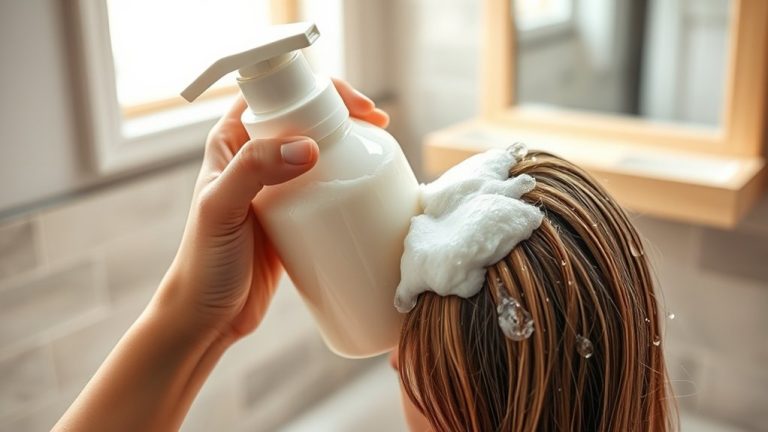
Although baby shampoo isn’t formulated specifically for cats, you can use it safely in emergencies by taking certain precautions. When bathing your cat with baby shampoo, follow these safety tips to minimize risks of skin irritation and ensure proper pet care.
First, perform a patch test to check for allergic reactions or sensitivities. Use only a small amount of baby shampoo and avoid frequent baths to protect your cat’s natural skin oils.
Lather gently and be careful to avoid getting shampoo in your cat’s eyes and ears. Rinse thoroughly with lukewarm water to remove all shampoo residue.
Then, dry your cat completely.
Signs Your Cat’s Skin Is Reacting to Baby Shampoo
Even when you take every precaution during a bath with baby shampoo, your cat’s skin might still react in some way. Watch closely for signs like redness, inflammation, or swelling. These often indicate a skin reaction.
If your cat starts excessive scratching or persistent licking, it could be a sign of irritation or an allergic response. You might also notice discomfort through behavioral changes such as restlessness or hiding.
Pay attention to hair loss in specific areas or a greasy residue left after rinsing. These suggest incomplete shampoo removal and potential irritation.
If you observe any of these symptoms, it’s important to stop using the shampoo immediately and consult your veterinarian.
This will help make sure your cat’s skin heals properly and avoid further allergic complications.
Best Tips for Regular Cat Grooming
When you commit to regular grooming, you help keep your cat’s coat clean and healthy while preventing common issues like matting and hairballs. To guarantee effective cat grooming, follow these tips:
- Choose shampoos designed specifically for cats. They’re safe to use and maintain your cat’s natural skin and coat balance.
- Brush your cat regularly, especially weekly for long-haired breeds. This helps reduce loose fur and hairballs.
- Introduce grooming gradually with calming techniques to minimize stress, especially during baths.
- Keep an eye on your cat’s skin and coat for signs of irritation or excessive licking. If you notice anything unusual, it’s a good idea to seek professional advice.
Sticking to these steps supports your cat’s well-being and helps you spot health issues early. It’s all about making grooming a positive experience for both you and your furry friend.
Frequently Asked Questions
Can Baby Shampoo Remove Fleas From My Cat?
Baby shampoo can’t effectively remove fleas from your cat. It might wash some away temporarily, but it won’t stop them from coming back.
For proper flea prevention, you should look into other treatments like veterinary-approved topical solutions or natural remedies. Managing your cat’s environment is also super important to break the flea life cycle.
If your cat has a flea allergy, it’s best to talk to your vet about the right approach. Always get veterinary advice to find safe and effective flea control that suits your cat’s needs.
Is It Safe to Use Baby Shampoo on Kittens?
It’s not safe to use baby shampoo on kittens because their sensitive skin needs gentle cleansing with mild ingredients made just for them. When you’re grooming kittens, it’s important to rinse properly and follow a suitable bathing routine.
This helps keep their skin healthy and prevents irritation.
How Often Can I Bathe My Cat With Baby Shampoo?
You should limit bathing your cat with baby shampoo to once every 4 to 6 weeks to protect skin health. Frequency considerations help maintain natural oils, preventing dryness and irritation.
Try to work this into your regular grooming schedule, and adjust for seasonal bathing when odor or dirt buildup increases.
Use gentle bathing techniques and make sure to rinse thoroughly to avoid any residue.
Always keep an eye on your cat’s skin after baths to make sure your routine is keeping them comfortable and happy.
Can Baby Shampoo Cause Eye Irritation in Cats?
Like a splash of lemon juice to a cut, baby shampoo can cause eye irritation in cats. You might notice eye redness, increased tear production, or eye discomfort if your cat has chemical sensitivity or allergic reactions to ingredients.
These irritant effects can make your cat paw at their eyes or blink excessively.
Always rinse thoroughly to minimize these risks and keep your feline friend safe and comfortable during baths. It’s a good idea to be extra careful around their face to avoid any accidental splashes.
That way, bath time stays stress-free for both of you.
What Should I Do if My Cat Licks Shampoo off Its Fur?
If your cat licks shampoo residue off its fur, watch for skin irritation, unusual fur shedding, or changes in grooming habits. These signs might indicate a cat allergy or sensitivity.
To minimize risks, rinse thoroughly during baths and maintain an appropriate bathing frequency.
Proper odor control helps reduce over-grooming. If your cat shows persistent discomfort or excessive licking, consult your vet promptly to protect their skin health and overall well-being.
It’s always better to be safe and keep an eye on how your furry friend reacts.
Conclusion
So, can you use baby shampoo on your cat? While it might seem gentle, it’s not the best choice for your feline’s sensitive skin. Opting for a shampoo made specifically for cats is safer and more effective.
If you must use baby shampoo, do so cautiously and only in emergencies. Remember, your cat’s comfort and health come first. Regular grooming with the right products keeps them happy and healthy.
Isn’t that what every pet owner wants?