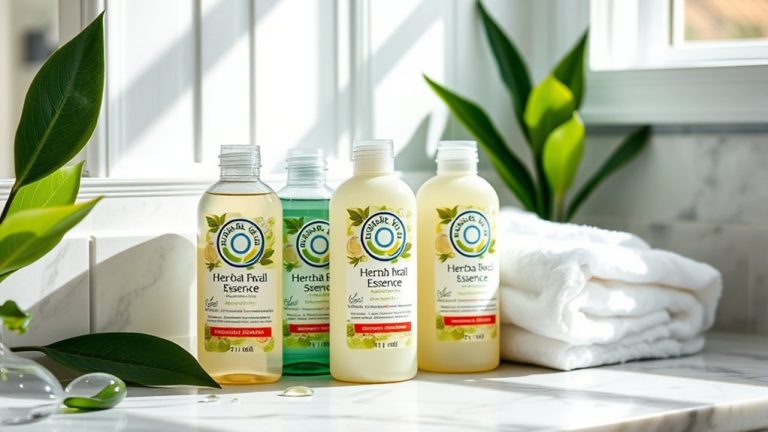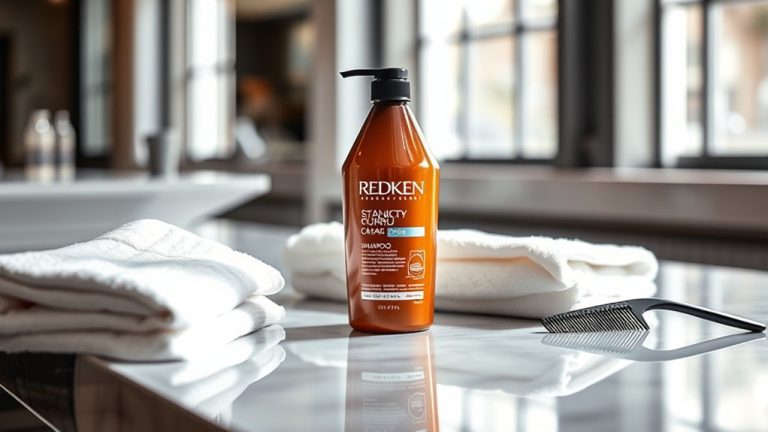
What Is The Best Shampoo For Itchy Scalp – Soothing Options
If you’re dealing with an itchy scalp, choose a shampoo that soothes irritation and fights dandruff with ingredients like aloe vera, tea tree oil, or pyrithione zinc. Avoid harsh sulfates and fragrances because they can make your sensitivity worse.
Hydrating options with hyaluronic acid or jojoba oil are great for dry scalps. Antifungal agents like ketoconazole specifically target yeast-related itchiness.
For balanced relief, look for formulas that combine cleansing with moisture restoration. Take some time to explore deeper insights so you can fine-tune your scalp care routine effectively.
Why Does Your Scalp Itch? How Soothing Helps
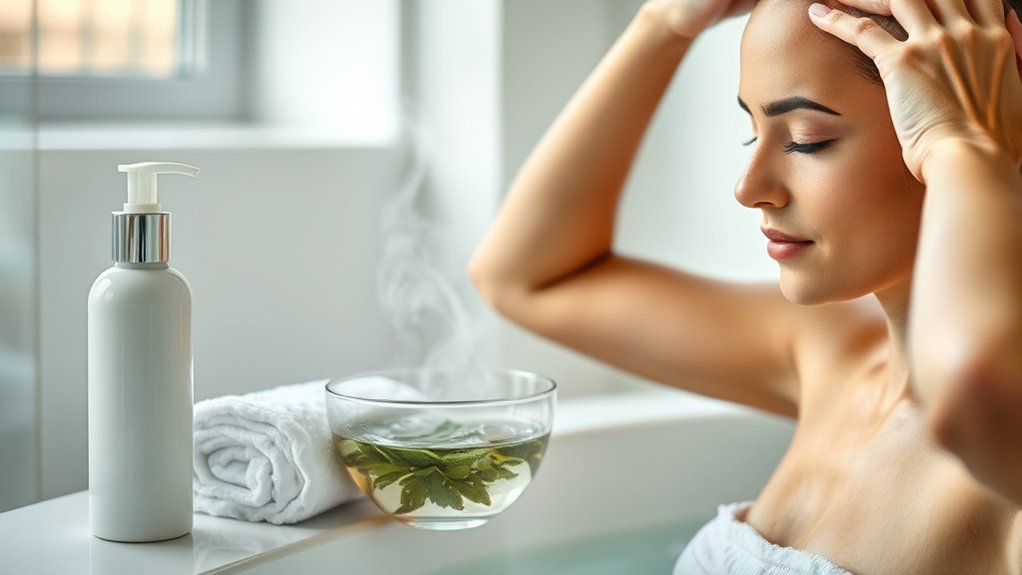
Although an itchy scalp can stem from various causes like dry skin, fungal infections, or allergic reactions to hair products, identifying the root cause is essential for effective treatment.
You may experience scalp psoriasis or other conditions that cause persistent itchiness. Using a hydrating shampoo with conditioned ingredients helps maintain scalp health by removing buildup and restoring moisture.
Soothing ingredients play an essential role in calming irritation and reducing inflammation, which can greatly reduce itching.
Proper scalp care, including regular cleansing with gentle formulas, supports a balanced environment that prevents discomfort. If you have scalp psoriasis, targeted shampoos with specific active components are necessary to manage symptoms effectively.
Overall, addressing the cause and incorporating soothing elements into your routine optimizes relief for an itchy scalp.
Taking these steps can make a big difference in how your scalp feels day to day. It’s all about keeping things clean, calm, and well-moisturized.
Top Soothing Ingredients for Itchy Scalps
You’ll want to look for shampoos with key calming ingredients like aloe vera and tea tree oil. These help soothe irritation and reduce inflammation.
Then, there are natural extracts such as bisabolol and hyaluronic acid, which work to heal sensitive scalps while keeping moisture balanced.
Key Calming Ingredients
Five key calming ingredients stand out for soothing itchy scalps and restoring comfort. Each ingredient targets specific causes of irritation while promoting hydration and scalp health.
When choosing a shampoo, look for these effective components:
- Aloe Vera: Provides soothing hydration that calms irritation and relieves itching.
- Tea Tree Oil: Offers antifungal and antibacterial properties to reduce inflammation and fight scalp infections.
- Salicylic Acid: Acts as a gentle exfoliant, removing dead skin cells and excess oil to prevent flakiness and itchiness.
- Bisabolol: Derived from chamomile, it soothes sensitive scalps and reduces redness.
Incorporating these ingredients helps maintain a balanced scalp environment.
They work by addressing both symptoms and underlying causes of discomfort.
Benefits Of Natural Extracts
When dealing with an itchy scalp, choosing shampoos enriched with natural extracts can make a significant difference. Aloe vera soothes irritation and hydrates your scalp, offering quick relief from itchiness.
Tea tree oil’s antifungal and antibacterial properties combat scalp infections and reduce dandruff-related discomfort.
Chamomile extract calms inflammation and gently relieves itchiness with its antioxidant-rich formula. Peppermint oil stimulates circulation and provides a cooling sensation that refreshes your scalp, easing irritation.
Oatmeal extract restores the skin’s barrier, moisturizing and soothing dryness that often causes itchiness.
Picking the Right Shampoo for Your Itchy Scalp
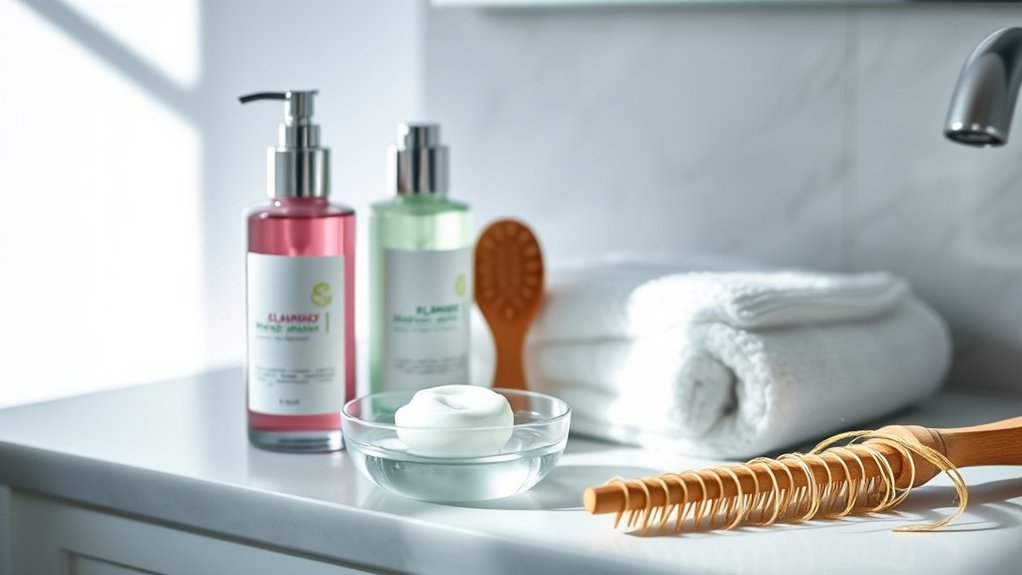
Although choosing the right shampoo for an itchy scalp may seem overwhelming, focusing on key ingredients can simplify the process. You want a shampoo that not only soothes irritation but also addresses underlying causes like dryness or dandruff.
Choosing the right shampoo for an itchy scalp is easier when you focus on soothing and effective ingredients.
Look for formulations containing pyrithione zinc, which combats itchiness and flaking effectively. Avoid shampoos with sulfates and harsh fragrances, as these can worsen sensitivity.
Consider your scalp type. Dry scalp needs extra hydration, while oily scalp requires balancing ingredients.
Here’s what to prioritize:
- Soothing ingredients like aloe vera or tea tree oil to calm inflammation
- Pyrithione zinc for dandruff and itch relief
- Sulfate-free formulas to reduce irritation
- Hydrating components for dry scalp or oil-control agents if needed
This targeted approach guarantees you pick a shampoo that truly supports scalp health.
Best Shampoos for Sensitive, Itchy Scalps
While caring for a sensitive, itchy scalp requires careful attention, choosing the right shampoo can make a big difference in soothing discomfort and restoring balance. The best shampoos for sensitive scalps usually contain soothing agents like aloe vera and chamomile to help reduce itching and inflammation.
Hydrating shampoos with moisturizing ingredients such as jojoba oil are great for maintaining scalp health by alleviating dryness. Some formulas also include gentle anti-dandruff properties to prevent flaking without causing irritation.
Using these mild, nourishing shampoos consistently supports long-term scalp comfort.
| Key Feature | Benefit | Example Ingredients |
|---|---|---|
| Soothing Agents | Calm inflammation, reduce itching | Aloe vera, chamomile, bisabolol |
| Moisturizing Ingredients | Restore hydration, prevent dryness | Jojoba oil, hyaluronic acid |
| Anti-Dandruff Properties | Control flaking, improve scalp health | Pyrithione zinc, salicylic acid |
Best Shampoos for Dandruff and Seborrheic Dermatitis
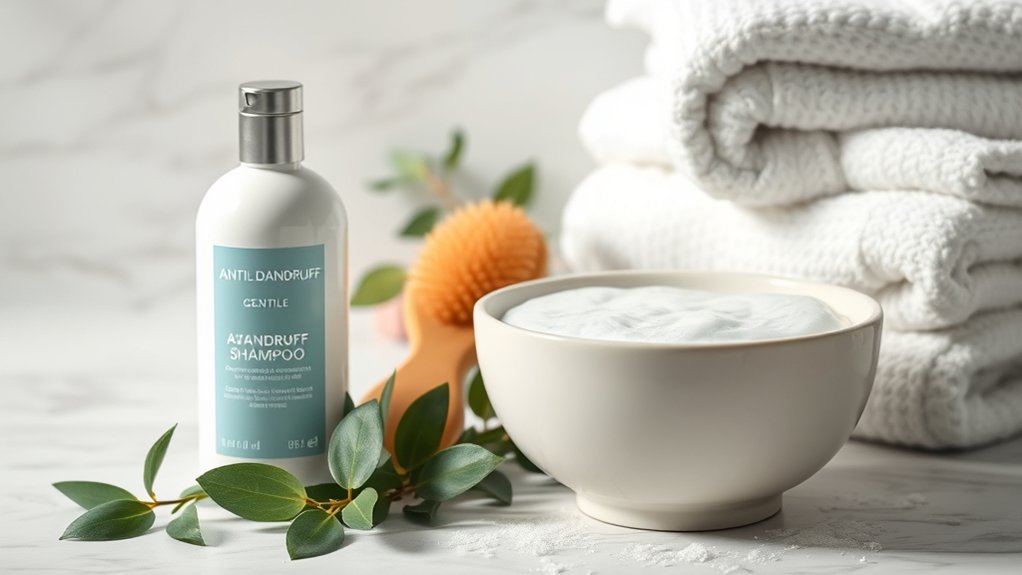
Because dandruff and seborrheic dermatitis stem from an overgrowth of the yeast Malassezia, targeting this underlying cause is essential for effective treatment. The best shampoos use active ingredients to reduce fungal growth and soothe your scalp. Incorporate dandruff shampoos with these features into your routine for relief.
Pyrithione zinc, found in CeraVe Anti-Dandruff Hydrating Shampoo, combats flakes while offering soothing options for sensitive skin.
Nizoral Anti-Dandruff Shampoo contains ketoconazole; apply and leave on for several minutes to maximize antifungal effects.
Selenium sulfide shampoos reduce inflammation and control yeast overgrowth effectively.
Regular scalp massage during washing enhances ingredient absorption and scalp health. So, don’t rush through your shampoo routine—taking a little extra time can make a big difference.
Choose shampoos with proven active ingredients to manage seborrheic dermatitis confidently. It’s all about finding the right product and giving it a chance to work for you.
Best Shampoos for Dry, Flaky, Itchy Scalps
If you’re dealing with a dry, flaky, itchy scalp, it’s really important to understand what’s causing it—things like dehydration and irritation are often to blame.
So, when you’re picking out a shampoo, look for ingredients that help reduce flakes, like ketoconazole or pyrithione zinc.
At the same time, you want something that soothes and hydrates your scalp.
Finding the right formula can make a big difference, helping to ease that discomfort while bringing your scalp’s moisture back into balance.
Dry Scalp Causes
Although dry scalp can stem from various factors, environmental elements like cold weather and low humidity often play a significant role by stripping moisture from your scalp and causing itchiness.
Understanding dry scalp causes helps you choose the right products to restore scalp health effectively.
Common causes include product buildup that blocks pores and irritates the scalp, skin conditions such as psoriasis that disrupt moisture balance, lack of hydration which weakens the scalp’s natural barrier, and exposure to harsh weather conditions reducing moisture levels.
Using hydrating shampoos with moisturizing ingredients like coconut oil or jojoba oil can replenish moisture without greasiness.
Moreover, anti-dandruff shampoos containing zinc pyrithione help soothe irritation and combat flaking, promoting overall scalp health.
Regular care is key to preventing dryness and itchiness.
Flake-Reducing Ingredients
When you choose shampoos with flake-reducing ingredients, you directly target the root causes of dryness and itchiness. Salicylic acid exfoliates the scalp, removing dead skin that contributes to flaking, while zinc pyrithione inhibits yeast growth responsible for dandruff.
Ketoconazole effectively combats fungal infections, reducing flakes linked to seborrheic dermatitis.
To restore moisture and soothe irritation, look for aloe vera and coconut oil, both of which improve hydration and comfort. Tea tree oil adds natural antibacterial benefits, further reducing scalp irritation.
Using flake-reducing shampoos consistently, at least 2-3 times weekly, supports scalp health and minimizes the recurrence of dryness and flakes.
Selecting products with these key ingredients guarantees you address both symptoms and underlying causes for a healthier scalp. It’s really about treating the problem from all angles to keep your scalp feeling great.
Soothing Shampoo Options
Because an itchy, flaky scalp can cause significant discomfort, choosing the right soothing shampoo is essential for relief and long-term scalp health.
You’ll want to focus on shampoos with proven soothing ingredients like tea tree oil and chamomile, which calm irritation effectively.
Look for anti-dandruff and hydrating shampoo options that balance cleansing with moisturizing benefits to prevent dryness. These kinds of shampoos can really make a difference in how your scalp feels day to day.
Consider these top choices:
- Nizoral Anti-Dandruff Shampoo with ketoconazole targets dandruff-related itchiness.
- CeraVe Anti-Dandruff Hydrating Shampoo combines pyrithione zinc with ceramides and hyaluronic acid for hydration.
- Jupiter Balancing Shampoo offers pyrithione zinc and moisturizing coconut oil for soothing relief.
- Dr. Groot 2-in-1 Shampoo Conditioner delivers moisture while combating itchiness.
These products help restore scalp comfort and promote healthy skin balance.
Clarifying Shampoos That Calm and Reset the Scalp
If you want to effectively calm and reset your scalp, clarifying shampoos offer a targeted solution by breaking down stubborn residue from styling products and excess oils.
A clarifying shampoo gently exfoliates dead skin cells and excess sebum, which can alleviate itchiness common with itchy scalps.
Ingredients like salicylic acid and charcoal work together to draw out impurities while promoting scalp health.
Incorporating a clarifying shampoo into your weekly scalp care routine helps prevent buildup that can cause irritation and disrupt balance.
Products such as Malibu C Un-Do-Goo and Briogeo Scalp Revival provide soothing options designed to refresh and reset your scalp, making them essential for maintaining a clean, healthy environment.
This approach supports overall scalp care and helps you manage itchiness effectively.
How to Use Shampoos for Itchy Scalps for Fast Relief
Clarifying shampoos help clear buildup and soothe irritation, but using them correctly guarantees faster relief from an itchy scalp. To get the most out of shampoos with active ingredients, here’s what you should do.
Apply the shampoo thoroughly and give your scalp a gentle massage. This helps boost circulation and makes the product work better. Then, let the shampoo sit for about 3-5 minutes so the active ingredients can really tackle irritation and dandruff.
Try to use anti-dandruff shampoos just 1-2 times a week. On other days, switch to moisturizing, soothing shampoos to keep your scalp balanced and healthy.
Also, avoid overwashing by shampooing only 2-3 times per week. Washing too often can dry out your scalp and make itching worse.
Lifestyle Tips to Support a Healthy, Itch-Free Scalp
To keep your scalp itch-free, try to stick with a consistent care routine. Using gentle, sulfate-free shampoos really helps, and you might want to consider exfoliating once a week to get rid of any buildup.
Also, managing stress can make a big difference. Techniques like yoga or meditation are great for reducing inflammation and calming scalp irritation.
When you combine these lifestyle habits, they work together to support a healthy, comfortable scalp.
Scalp Care Routine
Although managing an itchy scalp can feel challenging, establishing a consistent scalp care routine plays an essential role in relief and prevention.
Tailoring your routine to your scalp needs guarantees lasting comfort and health.
Start by choosing a gentle, hydrating shampoo with beneficial ingredients designed for soothing options. Incorporate exfoliation weekly to clear dead skin cells and reduce buildup.
Maintain hydration using serums or oils rich in jojoba or hyaluronic acid to strengthen your scalp barrier.
Finally, practice gentle styling to avoid irritation and damage.
- Wash 2-3 times weekly with a soothing shampoo suited to your scalp type
- Exfoliate weekly using scrubs or salicylic acid products
- Hydrate regularly with nourishing scalp serums or oils
- Avoid tight hairstyles and excessive heat styling to prevent irritation
This routine supports a healthy, itch-free scalp effectively.
Stress Management Strategies
Beyond a well-crafted scalp care routine, managing stress plays a key role in reducing itchiness and maintaining scalp health.
Effective stress management involves incorporating mindfulness practices like meditation and yoga. These help lower stress levels and can alleviate scalp irritation linked to conditions such as eczema or psoriasis.
Regular physical activity releases endorphins, which improve your mood and reduce anxiety that might trigger itchiness.
Prioritize a balanced diet rich in omega-3 fatty acids and antioxidants to bolster skin resilience and hydration.
Make sure you get consistent, quality sleep by keeping a regular sleep schedule. Poor rest can make scalp discomfort worse.
Also, try adding relaxation techniques like deep breathing or aromatherapy into your daily routine. These can further decrease stress and support a healthy, itch-free scalp.
When to See a Dermatologist for Itchy Scalp
How do you know when it’s time to see a dermatologist for your itchy scalp? If your scalp itch lasts more than two weeks even after using over-the-counter treatments, it’s a good idea to get professional advice. A dermatologist can figure out if conditions like psoriasis or eczema are causing redness and severe itching.
If your scalp itch persists beyond two weeks despite treatments, it’s time to consult a dermatologist.
You should also see a specialist if you notice severe itching along with swelling, sores, or visible redness. Watch out for signs of infection too, like pus or a strange odor.
If you start having new symptoms after using certain shampoos, it might be an allergic reaction, so it’s worth checking with a dermatologist.
Persistent itching that messes with your sleep or daily life is another reason to get it checked out.
Getting help early means you can tackle the problem before it gets worse. That way, you’ll get the right treatment to soothe your scalp and avoid any complications.
Frequently Asked Questions
Can Diet Affect Scalp Itchiness?
Yes, your diet can affect scalp itchiness by influencing scalp health and hydration levels.
Inflammatory foods and allergy triggers may worsen itchiness, especially if you have food sensitivities. Deficiencies in vitamins and fatty acids can dry out your scalp, increasing irritation.
Maintaining gut health through balanced nutrition supports overall scalp condition. Staying hydrated also helps keep your scalp moisturized, reducing discomfort and promoting comfort.
Are Natural Shampoos Always Better for Itchy Scalps?
Natural shampoos aren’t always the gentle heroes you might hope for your itchy scalp.
While natural ingredients and essential oils can support scalp health and offer herbal remedies, some contain allergenic components that disrupt pH balance or introduce chemical irritants.
You’ll want moisturizing formulas free from harsh elements.
But remember, what soothes one scalp might irritate another. Choosing the right shampoo means balancing nature’s gifts with your unique sensitivity.
How Often Should I Wash an Itchy Scalp?
You should wash your itchy scalp 2-3 times a week to keep a good balance between scalp hygiene and moisture.
It’s important not to wash too often because overwashing can strip your scalp of moisture and make the itchiness worse. But washing too little can lead to product buildup, which can also irritate your scalp.
Try adjusting how often you wash based on things like how sensitive your skin is, the season, and what usually triggers your dandruff.
Using gentle shampoos and adding scalp exfoliation into your routine can help manage flakes and buildup effectively.
This approach helps maintain a healthy scalp environment and can reduce irritation, making your scalp feel much better overall.
Can Scalp Massages Reduce Itchiness?
When Sarah added gentle scalp massages with jojoba oil to her routine, her itchiness greatly decreased.
Scalp massages improve blood circulation, enhancing scalp health and promoting relaxation. Using proper massage techniques boosts essential oils’ absorption during product application, maximizing their soothing effects.
Regular massages also relieve stress, which is a key itchiness trigger.
By keeping up a consistent frequency, you’ll start to notice these benefits.
Do Hair Styling Products Worsen Scalp Itch?
Yes, hair styling products can worsen scalp itch by causing scalp irritation. Ingredients like alcohol, sulfates, and fragrances affect sensitive scalps differently depending on your hair type. Allergy triggers in these products might cause reactions that make discomfort worse.
Also, the way you style your hair can trap buildup, which isn’t great for scalp health. Seasonal changes play a role too, since your scalp’s hydration needs can shift.
So, keeping your scalp moisturized is really important.
To help reduce itchiness, try choosing gentle, non-comedogenic products. And don’t forget to cleanse your scalp regularly to keep it healthy and happy.
Conclusion
Your itchy scalp doesn’t have to be a silent struggle. Choosing the right shampoo is your first line of defense. With soothing ingredients and targeted formulas, relief is within reach.
Think of your scalp as a garden. It needs gentle care and the right nourishment to thrive. By treating it thoughtfully, you’ll not only calm the itch but also build lasting scalp health.
Don’t wait. Start your soothing journey today.