What Shampoo Is Best For Oily Hair – Top Picks And Tips
For oily hair, choose shampoos with ingredients like salicylic acid and tea tree oil to control excess sebum and prevent buildup. Opt for clarifying, sulfate-free formulas that balance your scalp without stripping moisture. Avoid heavy moisturizers or silicones.
Tailor washing frequency to your hair type. For example, fine hair may need more frequent cleansing. Lightweight conditioners applied only to the ends help maintain balance.
To manage oiliness effectively, you’ll find additional expert tips and product recommendations further on. Just keep reading, and you’ll get all the info you need!
Why Your Hair Gets Oily and How to Manage It
Although oily hair often feels frustrating, it mainly happens because of too much sebum production. This can be influenced by things like genetics, hormones, diet, and stress. Your scalp makes sebum to protect and moisturize your hair, but when it makes too much, your hair gets greasy.
Certain hair types, especially fine hair, show oiliness faster since sebum travels easily down the hair shaft. Some conditions like seborrheic dermatitis can make things worse by causing scalp inflammation and sensitivity.
Fine hair tends to get oily quickly as sebum moves down the hair shaft, worsened by scalp conditions like seborrheic dermatitis.
To keep oil levels in check, try using a clarifying shampoo that removes buildup and extra sebum without stripping away the moisture your hair needs. When you use conditioner, apply it sparingly and only on the ends of your hair. This way, you avoid adding more grease to your scalp.
Knowing these factors helps you keep your scalp balanced and cuts down on how often your hair feels oily. It’s all about finding the right routine for your hair type and scalp condition.
Key Ingredients to Look For in Shampoos for Oily Hair
Managing oily hair effectively often depends on selecting shampoos with ingredients that target excess sebum and scalp buildup. Look for salicylic acid, which penetrates the scalp to exfoliate and remove oil and debris.
Tea tree oil offers antibacterial and antifungal benefits, helping control oil production and prevent scalp issues like dandruff.
Apple cider vinegar balances scalp pH and clarifies, reducing oiliness while enhancing shine.
Niacinamide regulates sebum secretion, making it valuable for oily scalps.
Lactic acid gently exfoliates, dissolving excess oil and maintaining a healthy scalp environment.
Opt for a sulfate-free shampoo to cleanse without stripping natural oils excessively, preventing rebound oiliness.
These ingredients collectively support a balanced scalp and effectively manage oily hair. It’s all about finding what works best for your scalp and sticking with it.
How to Choose the Best Shampoo for Your Hair Type
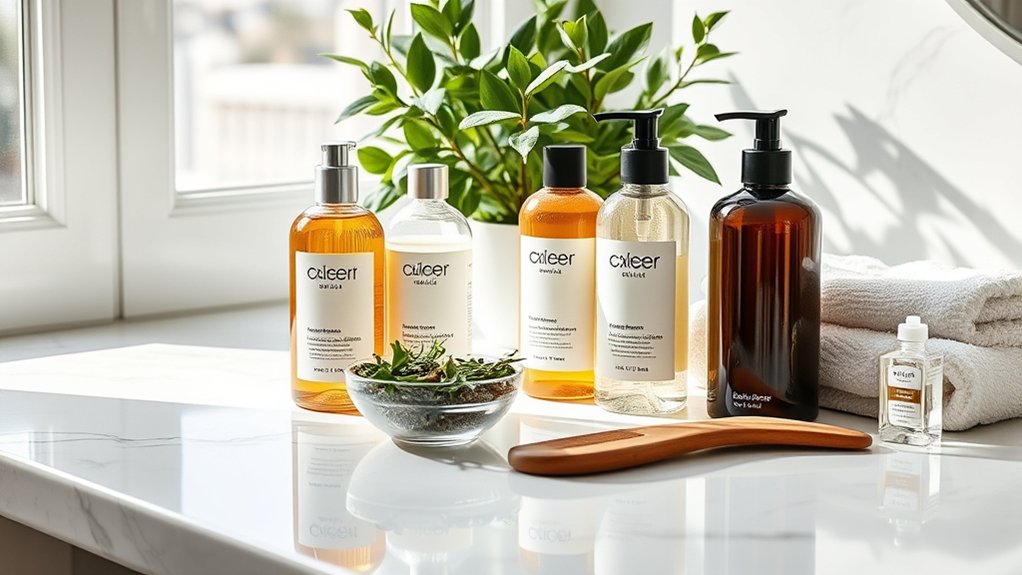
How do you select the best shampoo for your specific hair type? Start by identifying products labeled as clarifying shampoos. They effectively remove excess oil and buildup.
For oily hair, choose sulfate-free formulas to clean thoroughly without stripping natural oils. This helps maintain scalp balance. Look for ingredients like tea tree oil, salicylic acid, or apple cider vinegar that help control oil production and support scalp health.
Avoid shampoos with heavy moisturizers or silicones. These can weigh down fine hair and increase greasiness.
Tailor your shampoo use to your hair type: fine hair typically requires more frequent cleansing, while thicker hair benefits from less frequent washes.
Best Detox Shampoos for Oily Hair
Detox shampoos serve as a powerful solution to deeply cleanse your scalp by eliminating excess oil, product buildup, and impurities that contribute to oily hair.
To effectively manage oily hair, look for detox shampoos featuring oil-absorbing ingredients like apple cider vinegar, activated charcoal, or salicylic acid.
Many formulas are sulfate-free, ensuring thorough cleansing without stripping natural moisture. Use these shampoos once a week to maintain scalp balance and reduce sebum overproduction.
Consider these factors when selecting the best detox shampoo for oily hair:
- Presence of oil-absorbing ingredients such as apple cider vinegar
- Ability to remove product buildup without harsh chemicals
- Sulfate-free formulation for gentle, effective cleansing
- Compatibility with your specific hair type to optimize results
These choices help you control oil while preserving scalp health. It’s all about finding the right balance that works for you!
Best Shampoos for Damaged, Oily Hair
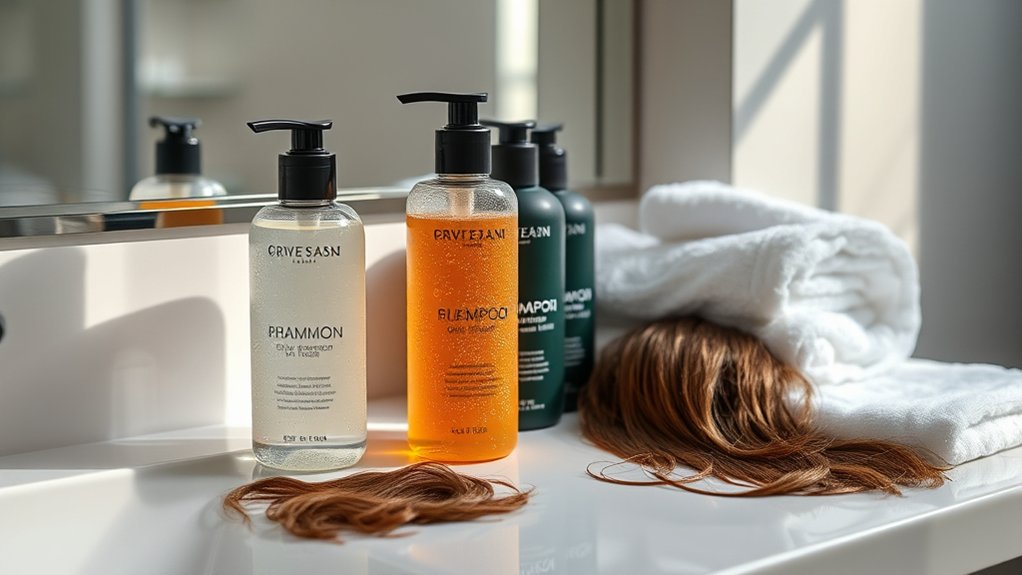
While controlling oil and buildup is key, you also need to address damage caused by over-washing, heat styling, or chemical treatments when selecting a shampoo. The best shampoos for oily hair targeting damage combine gentle cleansing with reparative ingredients.
Look for sulfate-free formulas that detoxify oily strands without stripping moisture. Apple cider vinegar-based shampoos effectively remove product buildup while maintaining scalp balance. Repair agents like Alpha keratin 60ku reinforce hair structure, aiding recovery.
| Shampoo | Key Benefits |
|---|---|
| Virtue Recovery Sulfate-Free Shampoo | Repairs damage, sulfate-free |
| AG Care Apple Cider Vinegar Shampoo | Removes buildup, hydrates oily strands |
| Redken Hair Cleansing Cream | Detoxifies, balances scalp health |
| Briogeo Scalp Revival Shampoo | Detoxifies, moisturizes damaged hair |
| Ouai Detox Shampoo | Clarifies with apple cider vinegar |
How to Condition Oily Hair Without Weighing It Down
To condition oily hair without weighing it down, go for lightweight formulas like gels or milks. These nourish your hair without adding extra oil.
When you apply conditioner, focus on the mid-lengths and ends. Try to avoid the scalp since that can make your hair greasy.
Also, keep an eye out for ingredients like tea tree oil or citrus extracts. They help balance oil production while still giving your hair the hydration it needs.
Conditioner Application Tips
Because oily hair tends to accumulate excess sebum at the scalp, applying conditioner only to the mid-lengths and ends is essential to avoid adding greasiness.
To maintain balance when using shampoo and conditioner for oily hair, follow these precise tips:
- Apply lightweight conditioners with gel or foam textures to nourish without weighing hair down.
- Focus conditioner on mid-lengths and ends, steering clear of the scalp to prevent excess oil buildup.
- Use conditioners containing tea tree oil or citrus extracts to help regulate oil production while preserving moisture.
- Rinse thoroughly to eliminate all product residue, which can contribute to an oily appearance over time.
Limit conditioner use to 1-2 times weekly to keep hair light, bouncy, and free from buildup.
It really helps keep things fresh without feeling heavy or greasy.
Give these tips a try and see how your hair responds!
Lightweight Conditioning Ingredients
Although oily hair needs moisture, heavy conditioners can quickly weigh it down and make it greasier. To keep your hair hydrated without the extra weight, go for products with lightweight conditioning ingredients like aloe vera and glycerin. These moisturize oily hair effectively without causing buildup.
Formulas with tea tree oil are great because they condition your hair while also controlling oil production and soothing your scalp.
When you’re picking a conditioner, look for gel or foam textures. These deliver moisture lightly and help avoid silicones, which can build up and make oiliness worse.
Try to apply conditioner sparingly, focusing only on the ends to keep extra oil away from your roots.
How to Use Dry Shampoo for Oily Hair Days
If you’re dealing with oily hair between washes, dry shampoo can be a total lifesaver. Just make sure to pick one that’s made with oil-absorbing ingredients like rice starch or tapioca.
When you’re ready to apply, hold the can about 6-8 inches away from your scalp. It helps to section your hair so you can get even coverage all over.
Once you’ve sprayed it on, give it a few minutes to work its magic.
Then, gently distribute the product through your hair to get rid of any leftover residue. This way, your hair feels fresh without any heaviness.
Dry Shampoo Application Tips
When managing oily hair days, applying dry shampoo correctly can really improve how your hair looks and feels. To get the best results, follow these simple tips.
First, make sure to apply dry shampoo only on dry hair. This helps soak up excess oil without making your strands damp.
Next, focus on the roots by sectioning your hair and spraying right onto the scalp where the oil tends to build up.
Give it a few minutes to work its magic—this lets it absorb oil and any odors before you brush or massage it through your hair.
Just a heads up, try not to overuse it. Limiting application to a few times a week helps avoid product buildup and keeps your scalp healthy.
Choosing Suitable Dry Shampoo
How do you select the right dry shampoo for oily hair days? Opt for products formulated with natural ingredients like tapioca or rice starch. These ingredients effectively absorb excess oil without causing buildup.
They also help maintain hair health by reducing the risk of scalp irritation.
When choosing a dry shampoo, prioritize those designed specifically for oily hair. This guarantees ideal oil absorption and scalp refreshment.
Try to limit usage to 1-2 times per week to preserve your scalp’s natural oil balance and prevent irritation.
Proper selection and use of dry shampoo can provide a convenient, water-free method to manage oily hair. It keeps your scalp clean and hair looking fresh while supporting overall hair health.
Managing Oil Between Washes
Although oily hair can feel difficult to manage between washes, dry shampoo offers a practical solution to absorb excess oil and refresh your scalp.
To use it effectively, follow these steps:
- Spray dry shampoo about 6-8 inches from your roots, focusing on oily areas for even coverage.
- Let it sit for several minutes to absorb excess oil thoroughly.
- Massage the product into your scalp with your fingers to achieve a natural finish.
- Limit dry shampoo use to prevent product buildup; maintain scalp health with regular washing using a clarifying shampoo.
It’s a simple trick that can really help you stretch the time between washes without feeling greasy.
Just remember not to overdo it, so your scalp stays happy and healthy!
How Often to Wash Oily Hair for a Fresh Look
Why should you limit washing oily hair to 2-3 times per week? Washing too frequently can strip natural oils, which messes with your scalp’s balance and actually makes it produce more oil. By washing 2-3 times weekly, you get rid of buildup while keeping the essential moisture your hair needs.
How often you wash really depends on your hair type. For example, fine hair might need daily washing because it gets oily faster. When you shampoo, focus on the scalp and roots since that’s where the excess oil is.
Using clarifying shampoos every now and then can help clean your hair more deeply. This keeps your look fresh and lets you stretch out the time between washes. Skipping washes sometimes gives your scalp a chance to balance oil production on its own.
This balanced routine stops your hair from getting too dry and keeps it clean and vibrant without over-stripping. Sticking to it supports a healthy scalp and a consistently fresh appearance.
Simple Scalp Care Tips to Cut Down Oil
Since excess oil often comes from the scalp, focusing on it directly with the right care can really help reduce greasiness. You want to control oil production and get rid of buildup to keep your scalp balanced.
Start by exfoliating your scalp regularly. This helps clear out buildup that can cause more oil and clog your pores.
Exfoliating your scalp regularly clears buildup, preventing excess oil and clogged pores for a healthier scalp.
Try using a shampoo with salicylic acid or tea tree oil. These ingredients work well to control oily scalp issues and stop buildup from forming.
When you use conditioner, apply it only to the ends of your hair. Avoid the scalp so you don’t add extra oil.
Keep a consistent washing routine by shampooing 2-3 times a week. This helps manage oil without drying out your scalp too much.
Following these simple steps can help you keep scalp oiliness in check and support healthier hair overall.
Expert Tips to Keep Oily Hair in Check
To keep oily hair in check, it’s all about focusing on your scalp care routine. You want to remove buildup and find a way to balance oil production without overdoing it.
Try adjusting how often you wash your hair depending on your hair type. Washing too much can overstimulate your scalp, but washing too little might leave your hair feeling greasy.
When choosing products, look for ingredients like salicylic acid or tea tree oil—they can really help.
Just be careful to avoid heavy moisturizers, since those can make your hair even greasier.
Scalp Care Strategies
A consistent scalp care routine plays an essential role in managing oily hair effectively. To balance oil production and maintain scalp health, follow these key strategies:
Use clarifying shampoos with salicylic acid or apple cider vinegar to remove excess oil and product buildup without stripping moisture.
Regularly exfoliate your scalp to prevent accumulation of impurities that can make oiliness worse.
And when you apply conditioner, stick to the ends of your hair—avoid the scalp to keep moisture where you need it without adding extra oil at the roots.
Also, keep a consistent washing schedule that fits your hair type to help regulate oil levels effectively.
Washing Frequency Tips
Although managing oily hair can be challenging, adjusting your washing frequency plays a crucial role in controlling excess oil without stripping your scalp’s natural moisture. For most people with oily hair, washing 2-3 times per week maintains moisture balance while preventing excessive oil buildup.
If your hair is fine, you might need to wash more frequently, even daily, to effectively manage oiliness. Incorporate clarifying shampoos once a week to deeply cleanse and remove product buildup without over-drying.
Using scalp scrubs or exfoliating shampoos also helps control excess oil and promotes a healthier scalp environment. Avoid hot water because it can stimulate more oil production. Instead, use lukewarm or cool water to preserve moisture balance.
Adjust your routine based on how your scalp responds to maintain ideal oil control. It’s all about finding what works best for you!
Product Selection Guidance
Selecting the right shampoo plays a pivotal role in managing oily hair effectively. When choosing shampoos for oily hair, you need to prioritize clarifying options that contain active ingredients like tea tree oil to reduce excess oil and product buildup.
Consider these expert tips: select sulfate-free formulas to cleanse without stripping essential natural oils. Incorporate shampoos with salicylic acid or apple cider vinegar to detoxify and balance scalp oils.
Use scalp exfoliation treatments regularly to prevent buildup and maintain a healthy scalp environment.
Avoid heavy conditioners near the scalp. Instead, apply lightweight conditioners only on hair ends to reduce greasiness.
Frequently Asked Questions
Can Diet Affect the Oiliness of My Hair?
Yes, your diet directly affects oil production and scalp health, especially if you have oily hair types. Consuming excessive dietary fats and refined sugars can increase sebum output. This disrupts hormonal balance and worsens oiliness.
On the other hand, incorporating omega-3 fatty acids and zinc supports balanced oil levels. Staying hydrated optimizes hydration levels in your scalp, which helps regulate oil production.
Are There Any Home Remedies for Oily Hair?
Yes, you can manage oily hair with home remedies. Use apple cider diluted with water as a rinse to balance scalp pH.
Lemon juice mixed with water acts as a natural astringent to reduce oiliness.
Aloe vera soothes and regulates oil production.
Baking soda paste exfoliates and absorbs excess oil gently.
Incorporate tea tree essential oils, diluted properly, to fight oil and dandruff thanks to their antibacterial properties.
These simple remedies can really help keep your scalp fresh and less oily.
Just remember to patch test any new treatment to avoid irritation.
Give them a try and see what works best for you!
Does Water Temperature Impact Oily Hair Management?
Yes, water temperature considerably impacts oily hair management. Using lukewarm water helps maintain scalp health by effectively removing excess oil without overstimulating oil production.
Hot water can dry your scalp, increasing oil output.
On the other hand, cold water seals cuticles but may leave product buildup. It’s a bit of a trade-off.
So, adjusting your cleansing frequency based on your hair type is a smart move.
You might also want to consider using dry shampoo between washes to control oil.
Alternating water temperatures can optimize cleansing and support balanced scalp conditions. It’s all about finding what works best for you.
Can Using Hair Masks Worsen Oily Hair?
Yes, using hair masks can worsen oily hair if you don’t consider hair mask ingredients and hair type compatibility.
Heavy oils increase sebum production and cause product buildup, which can harm scalp health.
So, it’s best to apply masks sparingly and only to the hair ends, avoiding the scalp altogether.
Also, try to limit how often you use hair masks to prevent excess oiliness and irritation.
Choosing lightweight, clay-based masks is a smart move because they help absorb oil without adding weight.
This way, you keep a balanced scalp environment that’s better suited for oily hair.
Is It Bad to Brush Oily Hair Frequently?
Yes, brushing oily hair frequently can actually spread the oil around more, which makes your hair look even greasier. Different hair types react differently, but over-brushing often triggers your scalp to produce more oil. This isn’t great for your scalp’s health.
To keep things balanced and avoid product buildup, try using gentle brushing techniques. Limit yourself to brushing just once or twice a day.
Also, opt for wide-tooth combs instead of fine brushes.
These little styling tips can help you manage oily hair better without causing damage to your scalp or hair. It’s all about finding the right balance!
Conclusion
Managing oily hair might feel like an endless battle, but the right shampoo can change everything. By choosing products with targeted ingredients and following expert scalp care tips, you’ll start to see a real difference.
Yet, the secret to truly controlling oil lies beyond just washing. It’s about understanding your hair’s unique needs. Ready to reveal the best method for your hair? The solution is closer than you think, waiting for you to take the next step.