What Is The Best Shampoo For Damaged Hair – Repair And Restore Options
The best shampoo for damaged hair includes bond-building peptides like hydrolyzed keratin to repair structural damage, along with humectants such as glycerin to restore moisture and nourishing oils like argan to protect the cuticle. Look for pH-balanced, sulfate-free formulas that strengthen hair without stripping natural oils.
Brands like Olaplex No. 4 and Pureology Strength Cure combine these elements with fade-prevention features to enhance resilience, shine, and manageability. Discover how these ingredients and technologies work together to transform brittle strands.
How To Tell If Your Hair Is Damaged
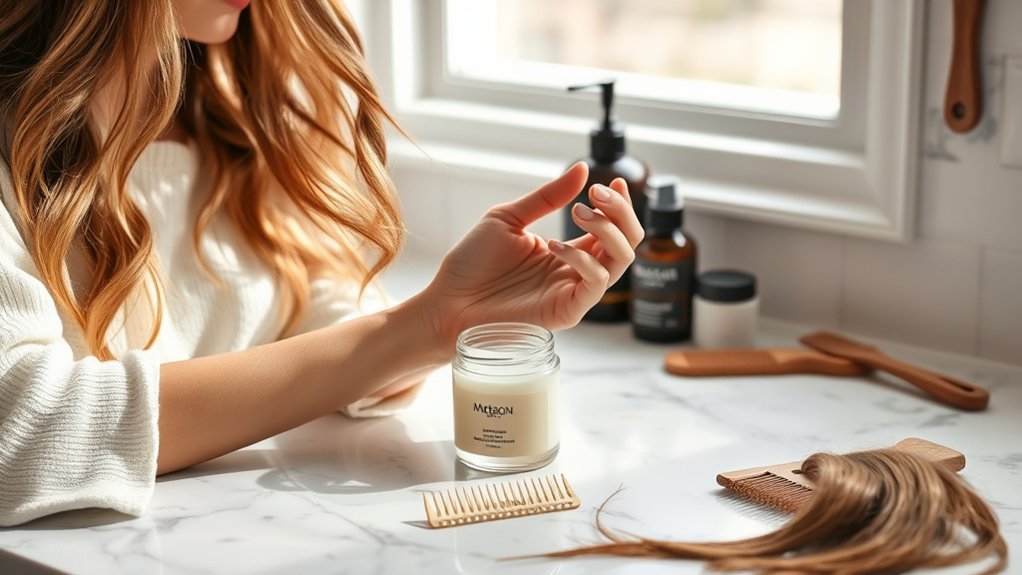
How can you accurately identify if your hair is damaged? Look for key indicators such as dryness and dullness. Your hair might feel straw-like and lack its natural shine because it’s lost moisture.
Identify damaged hair by dryness and dullness—when strands feel straw-like and lose their natural shine from moisture loss.
You’ll also notice more split ends and breakage since damaged strands become fragile and snap easily.
Frizz and flyaways are another clue—they show your hair is missing moisture and can be hard to manage.
Brassy tones from heat styling can hint at damage too. Plus, if your curls or waves lose their definition, it means your hair’s structure is weakened.
Catching these signs early helps you pick shampoos that restore hydration and strength.
When you monitor these symptoms, you’re making sure to take care of your hair before damage gets worse.
That way, you keep your hair healthy, strong, and vibrant with the right care and specialized shampoos.
Best Ingredients For Repairing Damaged Hair In Shampoo
When selecting a shampoo to repair damaged hair, you need to focus on ingredients that actively restore the hair’s structure and moisture balance.
Proteins and peptides, such as hydrolyzed keratin and silk proteins, rebuild and strengthen the hair shaft. This improves resilience and helps repair broken strands.
Humectants like glycerin and honey attract and retain moisture, enhancing elasticity which is vital for recovery.
Fatty acids and oils, including argan and jojoba oils, nourish your hair while creating a protective barrier. This locks in hydration and prevents further damage.
pH-balanced formulas with a slightly acidic range (4.5 to 5.5) maintain the hair cuticle’s integrity. This reduces tangling and boosts shine.
What Is Bond-Building Technology In Shampoo And Why It Matters
Bond-building technology in shampoo uses special molecular ingredients, like peptides, to repair and reconnect broken hair bonds that cause damage and split ends. This technology focuses on the hair’s internal structure, especially the cortex, to bring back strength and elasticity.
By fixing these broken bonds, bond-building shampoos help reduce breakage and make hair stronger from the inside out.
Repairing broken bonds helps strengthen hair and reduce breakage from within.
Patented formulas, such as those found in Olaplex, are made to penetrate deeply. They promote lasting repair instead of just smoothing the surface.
Plus, many bond-building shampoos are pH-optimized to keep your scalp healthy and prevent cuticle lifting, which helps your hair hold onto moisture better.
Using these shampoos consistently makes a big difference. Over time, you’ll notice your hair looks healthier, feels softer, and has improved resilience.
That’s why bond-building technology is a key part of any effective hair repair routine.
How Moisturizing Shampoos Help Dry, Brittle Hair
Although dry, brittle hair often results from environmental damage and chemical treatments, moisturizing shampoos play an essential role in restoring hydration and resilience.
These shampoos contain humectants like glycerin and natural oils that attract and retain moisture to hydrate dry hair effectively. They also incorporate proteins and fatty acids that reinforce hair structure, helping reduce breakage.
Plus, moisturizing shampoos are typically pH-balanced to maintain the hair cuticle’s integrity, minimizing frizz and enhancing shine.
Here’s how they help:
- They hydrate the hair shaft by drawing in water and locking in moisture.
- They avoid harsh sulfates that strip natural oils, preserving essential hydration.
- They deliver proteins and nourishing lipids to strengthen and protect fragile strands.
Using moisturizing shampoos regularly supports healthier, stronger hair by addressing dryness at its core.
It’s a simple switch that can make a big difference over time.
Top Shampoos For Repairing Split Ends And Breakage
If you’re dealing with split ends and breakage, you’ll want shampoos that have bond-building ingredients working at a molecular level.
These help to actually repair and strengthen your damaged hair.
For example, Olaplex No. 4 uses a patented technology that rebuilds those broken bonds.
Then, there are other shampoos packed with peptides and antioxidants that help reduce breakage over time.
Picking products made specifically to tackle split ends means you’re giving your hair a better chance to stay strong and healthy.
It’s all about improving hair integrity and resilience with the right formula.
Bond-Building Ingredients
Three key ingredients often form the foundation of shampoos designed to repair split ends and breakage: K18 Peptide, glycerin, and patented compounds like those in Olaplex No. 4.
These bond-building ingredients work at the molecular level to repair damaged hair by reconnecting broken disulfide bonds, restoring strength and elasticity.
When selecting a shampoo, focus on peptides and proteins that fortify hair structure and prevent future breakage.
Also, look for moisture-enhancing agents like glycerin and argan oil to maintain hydration and reduce brittleness.
Don’t forget about pH-optimized formulas.
They support scalp health and minimize cuticle swelling, which can make damage worse.
Split Ends Solutions
Several shampoos have emerged as leaders in repairing split ends and minimizing breakage by leveraging advanced protein and peptide technologies.
Among the best shampoos for damaged hair, Olaplex’s patented bond-building technology in No. 4 Bond Maintenance Shampoo repairs split ends at a molecular level, restoring hair integrity and shine.
Pureology Strength Cure, a 100% vegan nourishing shampoo, incorporates arginine to effectively repair breakage while maintaining color vibrancy in dyed hair.
These formulations work by rebuilding hair structure and fortifying strands, reducing future damage.
Regular use of such shampoos can increase hair resilience by up to 95%.
Choosing a scientifically formulated shampoo targeting split ends guarantees you actively promote repair and long-term hair health, minimizing breakage and restoring strength.
It’s a simple step that makes a big difference!
Best Shampoos For Color-Treated Damaged Hair
When you’re picking out shampoos for color-treated damaged hair, it’s important to look for formulas with color-safe ingredients. These help preserve your hair’s pigment while also repairing any damage.
You’ll want to focus on hydration and protection too, since they keep your hair elastic and help prevent breakage.
Plus, many shampoos now have advanced fade-prevention technologies. These work by minimizing cuticle swelling and reducing color leaching, so your color stays vibrant longer.
Color-Safe Ingredients
Although maintaining vibrant color can be challenging, choosing shampoos with color-safe ingredients guarantees your dyed hair stays protected during cleansing.
Color-safe shampoos prevent color stripping by incorporating gentle, sulfate-free formulas that clean without harsh surfactants. These shampoos are typically pH-balanced between 4.5 and 5.5, maintaining your hair’s natural acidity to preserve vibrancy and health.
Key components in these shampoos include:
- Nourishing oils like argan oil, which add moisture and shine while protecting hair.
- Fortifying agents such as arginine and astaxanthin that repair and strengthen damaged color-treated hair.
- Sulfate-free formulas that avoid fading and further damage.
Hydration and Protection
Because color-treated hair undergoes chemical processes that compromise its structure, selecting shampoos with advanced hydration and protective properties is crucial to maintain vibrancy and prevent further damage. Look for sulfate-free formulas enriched with nourishing oils like argan or coconut, which enhance moisture retention and softness.
Bond-building technology repairs damage at a molecular level, reinforcing color-treated hair integrity. Incorporating ceramides and humectants further supports hydration and protection. Using these shampoos every two to three days guarantees peak results.
| Feature | Benefit | Key Ingredients |
|---|---|---|
| Sulfate-Free | Prevents oil stripping | Mild surfactants |
| Nourishing Oils | Restores softness, protects | Argan, Coconut |
| Bond-Building Tech | Repairs molecular damage | Keratin, Ceramides |
Fade-Prevention Technologies
If you want to maintain your color-treated hair’s vibrancy, choosing shampoos with fade-prevention technologies is crucial. These formulas protect against environmental factors and UV damage, which can dull your color.
Key features to look for include antioxidants and UV filters that shield color-treated hair from oxidative stress and sun exposure.
Also, sulfate-free, pH-balanced shampoos help preserve natural oils and keep the hair cuticle flat. This enhances moisture retention and reduces color washout.
Another important element is color-lock technologies containing ingredients like arginine and astaxanthin. These ingredients reinforce hair integrity while actively maintaining color saturation.
By incorporating these elements, you can guarantee your hair stays vibrant longer while also repairing damage.
Choosing shampoos with these scientific components really helps optimize both color retention and hair health effectively.
Choosing Shampoos That Fight Frizz And Flyaways
When selecting shampoos that effectively fight frizz and flyaways, you should prioritize ingredients that balance moisture retention and cuticle protection.
Shampoos help manage frizzy hair by incorporating humectants like glycerin and proteins, which attract and lock in moisture. This reduces dryness and improves strand elasticity.
Formulas with pH-optimized ingredients prevent cuticle swelling, promoting smoother hair surfaces. Plus, sulfate-free options minimize the stripping of natural oils, preserving essential hydration.
Enriching shampoos with nourishing oils such as argan or jojoba delivers critical hydration and combats flyaways effectively.
Advanced ingredients like K18 Peptide and ceramides further strengthen hair fibers and smooth the cuticle, enhancing manageability.
By choosing these scientifically formulated shampoos, you can greatly improve your hair’s texture while maintaining ideal moisture and reducing frizz.
It’s all about picking the right formula that works with your hair’s needs.
Washing Frequency For Damaged Hair
You don’t want to shampoo your hair every day because it can strip away the natural oils that keep your hair healthy. That only makes the damage worse.
Instead, try to find a washing routine that works just for you. Pay attention to how your hair feels on days when you don’t wash it.
Personalized Washing Schedule
Though damaged hair requires gentle care, washing it two to three times per week helps prevent further dryness and breakage by preserving natural oils.
To personalize your washing schedule, consider these key factors:
First, assess your hair type and condition. Keep an eye on moisture levels and scalp oiliness between washes so you can adjust your shampoo routine effectively.
Next, try implementing scalp-reset days. If your hair feels oily, use non-wash days with gentle scalp treatments to balance oil production without stripping moisture.
Finally, experiment with how often you wash your hair. Fine-tuning your routine will help restore ideal moisture and reduce breakage, keeping your damaged hair healthy and resilient.
Avoid Daily Shampooing
Because daily shampooing strips natural oils essential for hair health, washing damaged hair too frequently can worsen dryness and increase frizz. To support repair, reduce your wash frequency to every other day or every three to four days. This interval allows natural oils to replenish and protect your strands.
Use gentle shampooing techniques, massaging lightly to maintain scalp cleanliness without aggravating dryness.
| Washing Frequency | Effect on Damaged Hair |
|---|---|
| Daily | Strips natural oils, worsens dryness |
| Every 2 days | Moderate oil retention, less damage |
| Every 3-4 days | Ideal oil balance, supports repair |
| Scalp Reset Day | Controls oil without over-washing |
| Non-wash Monitoring | Helps customize ideal shampoo frequency |
Adjust frequency based on your hair’s response to maintain moisture and promote effective repair. It’s all about finding what works best for you!
Monitor Hair Condition
Adjusting your washing schedule based on how your hair responds over several days can really impact the health of damaged strands. To effectively monitor hair condition and optimize washing frequency, you need to pay close attention.
Start by observing your hair’s moisture and texture on days two, three, and beyond after shampooing damaged hair. This helps you understand how your hair recovers and what it needs next.
Try to avoid washing your hair every day. Daily washing can strip away the natural oils that are essential for your hair’s repair and restoration processes.
If you notice oiliness developing, consider adding scalp-reset days. These allow your scalp to balance itself without using shampoo too often.
It’s all about finding the right rhythm for your hair.
Gentle Washing Tips For Damaged Hair
When caring for damaged hair, you should detangle it with a wide-tooth comb before washing. This helps prevent additional breakage during cleansing.
Employ gentle washing by applying shampoo with your fingertips and massaging the scalp softly. This reduces friction and avoids further damage. Concentrate shampoo on the roots while letting suds flow through the lengths. This way, you preserve moisture in the ends.
Use lukewarm water to rinse because hot water can strip natural oils and make damage worse. After rinsing, blot your hair gently with a microfiber towel instead of rubbing. This minimizes friction and frizz.
Incorporate a suitable shampoo and conditioner to support your hair’s health.
But always prioritize gentle washing techniques to reduce breakage and maintain moisture. That’s essential for repairing and restoring damaged hair effectively.
How To Pick The Right Shampoo For Your Damaged Hair Type
Selecting the right shampoo plays a pivotal role in supporting the gentle washing techniques that protect damaged hair. To choose the Best Shampoo for Damaged Hair, focus on formulas that specifically address your unique haircare concerns. Prioritize:
- Strengthening ingredients like proteins and humectants to repair and prevent breakage.
- Moisturizing ingredients such as coconut or jojoba oils to hydrate and nourish fragile strands.
- Gentle cleansing formulas with a pH-balanced formula to maintain scalp health and avoid stripping essential oils.
If your hair is colored, make sure the shampoo is color-safe to preserve vibrancy while promoting repair.
By selecting a shampoo that balances these scientific factors, you’ll effectively support hair restoration and maintain overall hair integrity.
It’s really about picking the right combo that suits your hair’s needs. When you do, your damaged hair will thank you with improved strength and shine.
Frequently Asked Questions
Can Shampoo Alone Fully Repair Severely Damaged Hair?
No, shampoo alone can’t fully repair severely damaged hair. While it supports hair health by cleansing and offering ingredient benefits like moisture balance and scalp care, it lacks the restorative power of protein treatments that rebuild structural integrity after chemical exposure.
To truly restore damaged hair, you’ll need a thorough routine including conditioning, protein-rich products, and regular trims to remove split ends.
This approach helps maintain long-term resilience and strength.
How Long Does It Take to See Results From Repair Shampoos?
You’ll typically see a results timeline of 2 to 4 weeks during the repair process when using specialized shampoos.
Product effectiveness depends on ingredient analysis. Bond-building proteins and moisturizers accelerate recovery.
Hair type considerations affect how quickly improvements show. User testimonials often report visible reduction in breakage after 4 to 6 weeks. It’s good to keep that in mind when you’re waiting for results.
Manage treatment expectations by pairing shampoos with conditioners. This helps with ideal strength and shine restoration within about a month.
Combining products really makes a difference.
Are There Shampoos Specifically for Heat-Damaged Hair?
Yes, shampoos specifically for heat-damaged hair do exist. They combine heat protection and protein treatments to strengthen strands, alongside moisturizing ingredients like glycerin to combat dryness.
Many use sulfate-free formulas to prevent product buildup and support scalp health.
To maximize results, you’ll want to follow styling tips that minimize heat exposure and maintain hydration. These targeted shampoos scientifically restore structure while safeguarding against future damage.
It’s all about giving your hair the care it needs to bounce back and stay healthy.
Can Natural or DIY Shampoos Effectively Repair Damaged Hair?
Yes, natural or DIY shampoos can effectively repair damaged hair by using natural ingredients like coconut oil and aloe vera. These ingredients help restore moisture balance and support scalp health.
Adding essential oils such as rosemary can boost their benefits even more.
While studies show they don’t have the advanced bond-building agents found in commercial shampoos, these natural recipes are still great for many hair types. They gently cleanse without stripping away natural oils.
Should I Use Conditioner or Treatment With Repair Shampoos?
Yes, you should use a conditioner or treatment with repair shampoos to enhance moisture retention and scalp health.
Choose products with complementary shampoo ingredients suited to your hair type to avoid product buildup.
Apply conditioner mainly to mid-lengths and ends, and use treatments as recommended, not daily, to prevent stiffness.
Proper application techniques, like gentle massaging, improve absorption. This supports repair without compromising daily use routines or scalp balance.
Conclusion
Choosing the best shampoo for damaged hair is like picking the right tool to fix a fragile bridge. Precision really matters here.
Look for shampoos with bond-building ingredients, moisturizing agents, and gentle formulas. These help support hair repair and restoration in a big way.
Remember, consistent care that matches your hair type and washing habits is key. It strengthens strands from within and helps reduce breakage and frizz.
With the right shampoo, you’ll rebuild your hair’s resilience. That means healthier, more vibrant hair in no time.