How Much Shampoo To Use – Correct Amount Guide
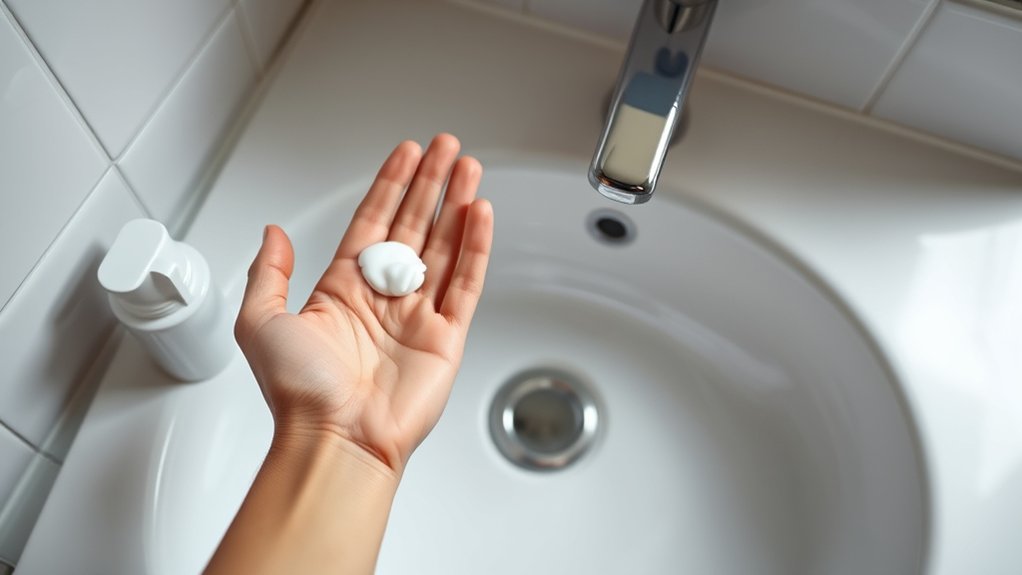
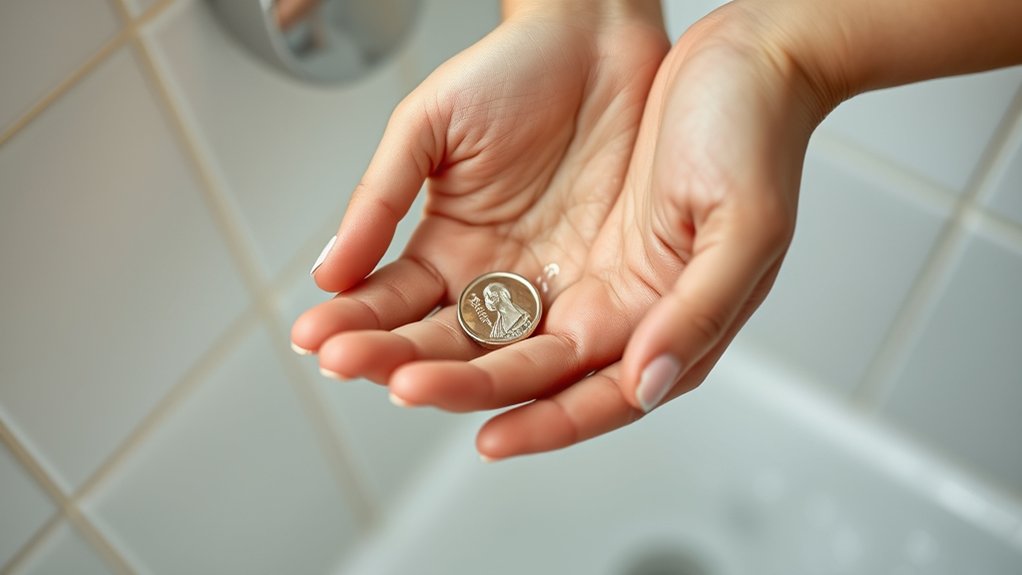
Use shampoo amounts that match your hair’s length, texture, and condition. For fine hair, a nickel-sized dollop works well, while thicker or longer hair often needs a quarter-sized amount or more for thorough cleansing. Adjust if your hair is oily, curly, or color-treated, using gentler or moisturizing formulas as needed.
Over- or under-shampooing can harm your scalp and hair health. Proper technique and choosing the right shampoo are key. Keep exploring to refine your hair care routine.
How To Determine The Right Shampoo Amount
Determining the right amount of shampoo depends primarily on your hair’s length, texture, and condition. To know how to determine the right shampoo amount, start by considering whether you have normal hair, thicker hair, or color-treated hair, as each needs a tailored approach.
Choosing the right shampoo amount depends on your hair’s length, texture, and specific needs.
For thicker hair, use a larger amount to guarantee thorough cleansing without leaving shampoo residue that can irritate your scalp.
If you have color-treated hair, opt for a gentle, moisturizing shampoo and adjust the amount to avoid stripping color while maintaining a healthy scalp.
When excess oil builds up, increase the shampoo amount slightly for effective removal.
Applying an amount based on these factors helps maintain scalp health and prevents dryness or residue. This way, your hair stays clean and balanced.
How Hair Type, Texture, And Length Affect Shampoo Amount
Your hair length definitely plays a big role in how much shampoo you’ll need. If you have longer hair, you’ll usually need more product to get it fully clean.
Texture matters too. Thicker and curlier hair types often require more shampoo compared to fine or straight hair.
Knowing these little differences can help you use just the right amount—enough to clean well but not so much that you waste any.
Hair Length Impact
Hair length plays an essential role in deciding how much shampoo you should use during washing. If you have long hair, start with a quarter-sized amount to guarantee thorough coverage from roots to tips.
Thicker hair often requires more shampoo, generally over two teaspoons, to cleanse effectively, while fine hair typically needs just a nickel-sized amount.
For dry hair, using a moisturizing shampoo in slightly larger amounts helps maintain hydration. Conversely, those with short, fine hair find that a nickel-sized amount suffices.
Adjusting the shampoo quantity based on hair length prevents product buildup and guarantees ideal cleansing without stripping natural oils.
By tailoring the amount to your hair’s length and thickness, you achieve both cleanliness and hair health. It’s all about finding that right balance so your hair feels fresh but not stripped.
Just a little adjustment can make a big difference in how your hair looks and feels.
Texture Influences Quantity
While hair length and thickness guide how much shampoo you use, texture also plays a big role in deciding the right amount. Different hair types need different shampoo quantities to make sure your hair gets clean without losing its natural oils.
For example, curly hair usually needs more moisturizing shampoo to spread the lather evenly. On the other hand, fine hair requires less shampoo so it doesn’t get too dry. Knowing your hair texture helps you figure out the perfect amount to use.
| Hair Type | Texture | Recommended Shampoo Amount |
|---|---|---|
| Fine Hair | Straight/Wavy | Pea-sized to nickel-sized amount |
| Thick Hair | Straight/Wavy | Over 2 teaspoons |
| Curly Hair | Wavy/Curly | Nickel to quarter-sized amount |
| Short Hair | Any | Pea-sized amount |
Adjusting your shampoo amount based on texture helps you get the best clean while keeping your hair’s natural oils healthy.
Curly Versus Straight
Determining the right shampoo amount depends on the interplay between hair type, texture, and length. If you have curly hair, use a nickel to quarter-sized amount of moisturizing shampoo to guarantee even lathering and prevent product buildup. Curly hair’s texture often requires more shampoo than straight hair to cleanse thoroughly.
For straight hair, a nickel-sized amount usually suffices for short, fine hair, but longer or thick hair demands a quarter-sized amount or more. Thick hair, regardless of type, typically needs over 2 teaspoons of shampoo for full coverage.
Adjust your shampoo usage by starting with a quarter-sized amount for longer hair, then tailor it based on the texture of hair and curl pattern. Using the correct amount guarantees effective cleansing without stripping moisture or leaving residue.
How Different Shampoo Types Affect The Amount You Use
Because shampoo formulations vary widely, the amount you use should adjust accordingly to achieve the finest results. For normal hair, a nickel-sized amount of regular shampoo usually suffices, while thicker hair may require a quarter-sized amount or more, especially with moisturizing or organic shampoo types.
Anti-dandruff shampoo, designed to manage scalp conditions, typically calls for a quarter-sized amount used two to three times weekly to be effective.
Color-safe shampoos should be used sparingly, about a nickel-sized amount two to three times per week, to maintain hair vibrancy without weighing it down.
Organic shampoos generally follow regular shampoo guidelines but may be gentler, allowing you to tailor the amount based on hair length and thickness.
Adjusting the shampoo type and amount guarantees excellent cleansing and hair health.
When And Why To Double Shampoo
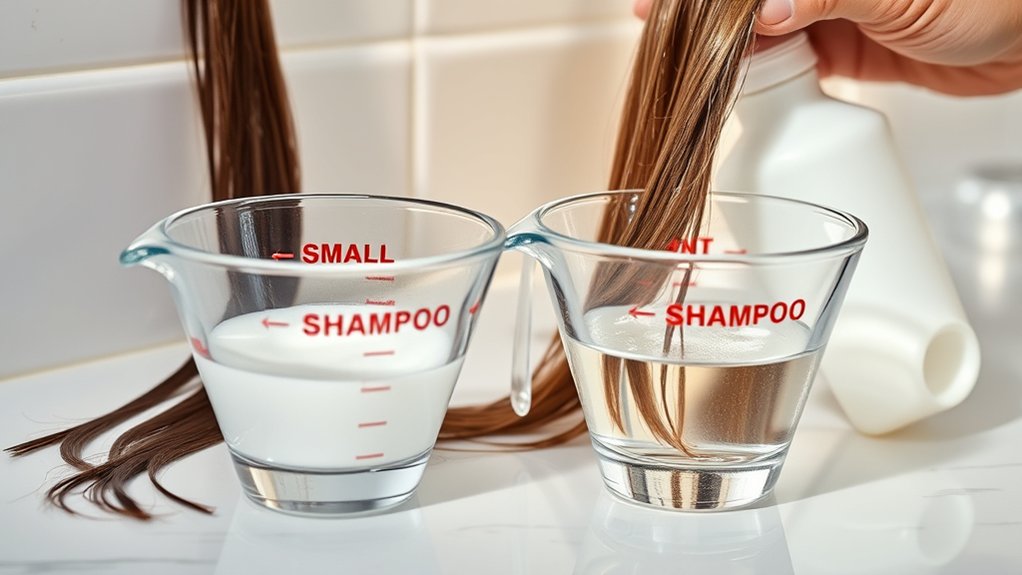
If you frequently use heavy styling products or dry shampoo, double shampooing can be essential to thoroughly remove buildup that a single wash might miss.
Double shampooing guarantees a thorough cleanse, targeting residues that cling to your hair and scalp.
You should consider it when:
- You apply heavy styling products that leave stubborn buildup.
- You use dry shampoo regularly, which can leave residue.
- Your scalp produces excess oil, causing an oily scalp.
- You’re exposed to environmental dirt and pollutants.
This method provides a deep clean that removes excess oil and environmental dirt, resulting in a revitalized scalp and healthier hair.
Double shampooing isn’t just about cleanliness. It’s about maintaining scalp health and making sure your hair looks and feels its best every wash.
How Often Should You Shampoo Your Hair?
How often you shampoo really depends on your hair type and lifestyle.
For example, if your scalp gets oily quickly or you use heavy styling products, you might need to wash your hair more often.
But if you have dry or curly hair, washing every few days usually works better to keep your natural moisture and scalp healthy.
Ideal Shampooing Frequency
When should you shampoo your hair to keep it healthy and vibrant? The ideal shampooing frequency varies based on your hair type and condition. Here’s a clear guide:
If you have oily hair, shampoo daily or every other day to control excess oil and keep your scalp fresh.
For normal hair, shampoo 2-3 times a week balances oil production without stripping natural moisture.
Curly hair requires less frequent washing, about once a week, to maintain curl definition and prevent dryness.
Damaged or color-treated hair benefits from shampooing every 2-3 days using gentle, color-safe shampoo to protect hair integrity and vibrancy.
Adjust your shampoo frequency accordingly to maintain healthy, manageable hair without over-washing or under-cleaning.
It’s all about finding what works best for you!
Factors Affecting Washes
Because several factors influence how often you should shampoo your hair, understanding these variables can help you tailor your washing routine effectively.
Your hair type and texture play a key role. Oily hair often needs daily washing, while dry or damaged hair benefits from shampooing every 2-3 days to preserve moisture.
Scalp condition matters too. If you have an oily or flaky scalp, more frequent cleansing with the recommended amount of shampoo can improve scalp health.
Product use, especially heavy styling products or dry shampoo, may require extra washes to prevent buildup.
Environmental factors like pollution or sweat also increase washing frequency.
Ultimately, personal preference shapes your routine. It’s all about balancing hygiene and hair health based on your unique needs and lifestyle.
Signs You Use Too Much Or Too Little Shampoo
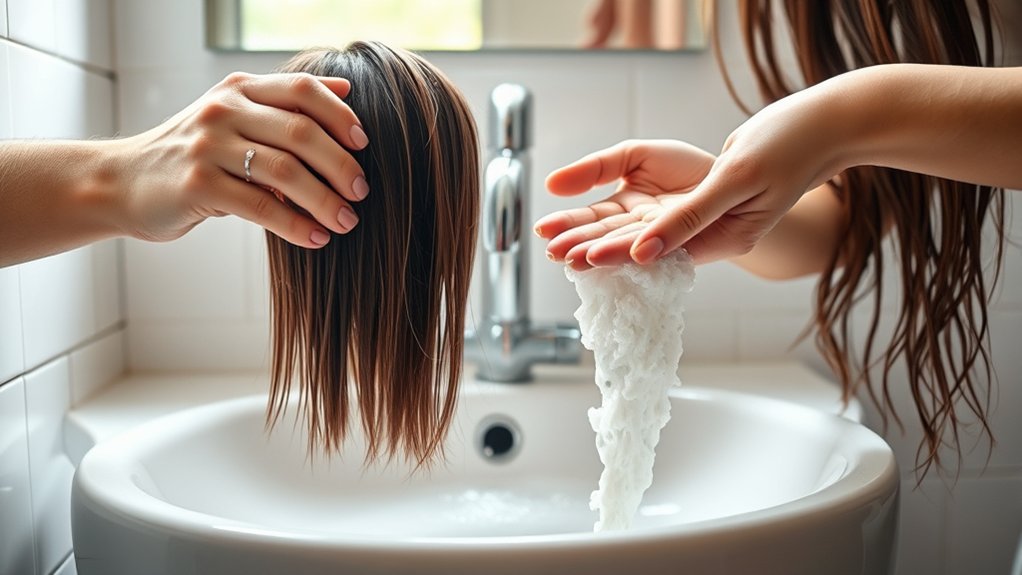
Although shampooing is a routine part of hair care, using too much or too little can cause noticeable problems. Recognizing the signs you use the wrong amount helps maintain balanced shampooing and scalp health.
Using too much shampoo often leads to dry hair and an irritated, flaky scalp. On the other hand, an oily scalp or greasy hair after washing suggests you’re using too little shampoo.
Over-shampooing can make your hair brittle and cause moisture loss. Meanwhile, under-shampooing may result in buildup, dandruff, and scalp acne.
Effects Of Over-Shampooing And Under-Shampooing
Recognizing the signs of using too much or too little shampoo is only part of the equation; understanding how these habits affect your hair and scalp is equally important.
Over-shampooing strips your scalp of natural oils, causing dryness, frizzy hair, and potential scalp irritation. This imbalance may lead to scalp flakiness and brittle strands, compromising hair health.
On the other hand, under-shampooing leaves an oily scalp and hair, preventing effective cleansing and causing product buildup. Both practices disrupt your scalp’s natural environment, increasing the risk of persistent scalp issues such as dandruff and acne.
By avoiding over-shampooing and under-shampooing, you maintain a healthy scalp balance. This helps reduce dryness, oiliness, and irritation while promoting stronger, more manageable hair.
It’s all about finding that sweet spot for your hair care routine.
How To Shampoo Your Hair The Right Way
When you shampoo your hair the right way, you guarantee a clean scalp and healthy strands without causing damage. To achieve effective cleanses using the correct amount of shampoo, follow these steps:
First, rinse your hair thoroughly with warm water. This helps remove surface debris and gets your scalp and hair ready for washing.
Next, use about 10 milliliters (2 teaspoons) of shampoo. You can adjust the amount based on your hair length, thickness, and texture.
Apply the shampoo evenly from roots to tips. This ensures full coverage, especially if you have longer or curly hair.
Then, massage the shampoo into your scalp for 30 seconds to 1 minute. After that, rinse thoroughly to avoid any residue buildup.
Mastering how to shampoo your hair the right way guarantees ideal cleanliness and scalp health. It’s simple but makes a big difference!
Why Choosing The Right Shampoo Matters
Choosing the right shampoo plays a crucial role in maintaining your hair’s health and appearance because it targets your specific hair type and scalp needs. The shampoo you should use depends on different types of shampoo formulated to address particular scalp conditions and hair textures. For example, a moisturizing shampoo suits dry hair, while volumizing formulas benefit fine strands.
Using the correct shampoo every 2-3 days helps guarantee your hair stays clean without stripping natural oils. Thicker and longer hair requires more product for thorough cleansing.
Selecting an appropriate shampoo prevents issues like scalp irritation, product buildup, and imbalanced oils. By choosing wisely, you support healthier, softer hair and promote thicker and longer hair growth.
Ultimately, this improves your hair’s overall condition and appearance. So, it really pays off to find the shampoo that fits your needs perfectly!
Shampoo Bars: A Sustainable Alternative For Hair Care
Alongside selecting the right shampoo for your hair type, considering sustainable options can make a positive impact on both your hair and the environment.
Shampoo bars offer a practical, eco-friendly alternative to traditional liquid shampoos. These compact bars deliver gentler cleansing through natural ingredients and reduce plastic waste with minimal packaging.
Shampoo bars provide gentle cleansing with natural ingredients while cutting down plastic waste through minimal packaging.
Here’s why shampoo bars are a sustainable choice:
- They replace up to three bottles of liquid shampoo, making them longer-lasting.
- Minimal or no packaging helps reduce plastic waste considerably.
- Natural oils in the formula provide gentle cleansing for hair and scalp.
- Their eco-friendly design often includes home-compostable packaging, supporting zero-waste routines.
Switching to shampoo bars lets you care for your hair while supporting the planet.
It’s a simple change that makes a big difference!
Frequently Asked Questions
Can Shampooing Frequency Affect Scalp Health?
Yes, shampooing frequency directly impacts your scalp balance and overall scalp health. If you wash too often, you risk stripping natural oils, causing scalp sensitivity and dryness.
On the other hand, washing too little leads to excess oil production and product buildup. This can trigger dandruff and even hinder hair growth.
It’s important to tailor your shampoo routine to your hair type.
Also, incorporating scalp treatments helps maintain ideal scalp conditions. This supports healthy hair and keeps dandruff under control.
Does Water Temperature Impact Shampoo Effectiveness?
Think of water temperature like a key revealing shampoo’s full potential. When you rinse with warm water, it opens your hair cuticles, boosting shampoo lathering and oil removal, especially if your hair porosity is high.
This helps cleansing agents work deeply, preventing product buildup while maintaining scalp hydration.
Avoid hot water. It strips natural oils and harms hair texture.
Finish with cool water to seal cuticles, securing moisture and shine for healthier hair.
How to Store Shampoo for Maximum Shelf Life?
To maximize shampoo shelf life, follow shampoo storage tips like keeping it in cool, dry places to avoid temperature effects that degrade ingredients.
Choose ideal container materials. Dark, opaque bottles reduce light exposure impact.
Always tightly close the cap to prevent contamination. Watch for expiration signs and use within dates.
For shelf life extension, DIY storage solutions like airtight jars help.
For travel-friendly options, use small, sealed containers that protect from heat and light. It’s a simple way to keep your shampoo fresh no matter where you go.
Can Shampoo Cause Allergic Reactions?
Yes, shampoo can cause allergic reactions, especially if you have skin sensitivity to certain shampoo ingredients like sulfates, parabens, or fragrance effects.
These common allergens may lead to scalp irritation or redness.
To avoid this, you should try patch testing a new product before full use. It’s a simple step that can save you from a lot of discomfort later on.
Opting for mild shampoos designed for sensitive skin can reduce your risk of allergic reactions and keep your scalp healthy.
It’s always better to be cautious when trying something new.
Is It Necessary to Use Conditioner After Shampooing?
Conditioner benefits bring balance by boosting moisture retention and benefiting your hair type.
Using conditioner after shampooing is necessary, especially if you want damage prevention and styling ease. It hydrates your scalp without causing product buildup and improves hair texture, making strands smoother and more manageable.
Skipping it can leave hair dry and prone to tangling.
Conclusion
Now that you know how much shampoo to use, remember it’s not a one-size-fits-all rule. Whether your hair is as fine as a Renaissance painting or as thick as a Viking’s mane, adjusting the amount matters. Over-shampooing can strip your hair, while under-shampooing leaves buildup.
Choose the right shampoo type and technique to keep your hair healthy and vibrant. Think of it as your hair’s timeless armor. Use it wisely and consistently.